
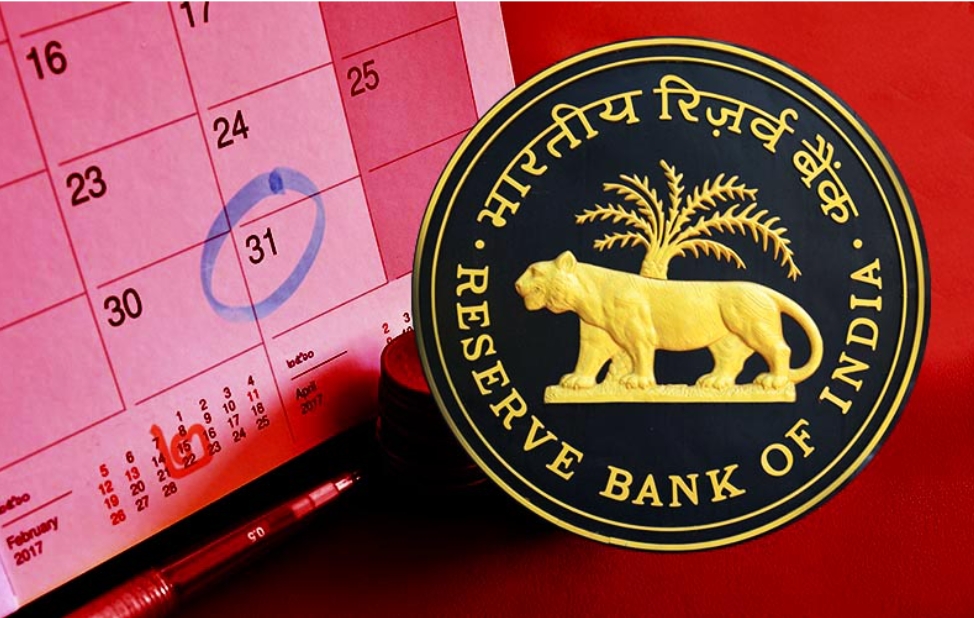
India’s rapidly growing digital payment ecosystem is set to undergo a significant shift as new rules introduced by the Reserve Bank of India (RBI) come into effect from April 1. These changes are not just regulatory updates—they signal a deeper push toward security, transparency, and user protection in the country’s digital finance landscape.
With millions of users relying daily on UPI, wallets, and online banking, the new framework is expected to directly impact how individuals and businesses transact in the digital space.
Why These Changes Matter Now
Over the past few years, India has witnessed an explosion in digital transactions driven by UPI adoption, fintech growth, and smartphone penetration.
However, this growth has also brought challenges:
●Rising fraud cases
●Unauthorized auto-debits
●Data privacy concerns
Increasing dependency on third-party platforms
The RBI’s new rules aim to balance growth with security, ensuring that convenience does not come at the cost of safety.
What’s Changing for Users
From April 1, users are likely to notice changes in how recurring payments, authentication, and transaction approvals work.
The RBI is focusing on:
●Stronger authentication systems
●Better control over auto-debit mandates
●Clear consent mechanisms for users
●Improved transparency in digital transactions
This means users will have more control over their money, but may also need to follow slightly stricter steps while making payments.
Security Takes Center Stage
One of the biggest objectives behind these rules is to reduce digital fraud.
With cybercrime on the rise, especially in:
●UPI scams
●OTP fraud
●Fake payment links
the RBI is pushing for systems where:
●Every transaction is verified
●User consent is clearly recorded
●Risky transactions are flagged earlier
The focus is shifting from fast payments → safe payments

Impact on Fintech & Payment Apps
The changes will also affect digital platforms such as:
●UPI apps
●Wallet providers
●Payment gateways
These companies will now need to:
●Upgrade their systems
●Ensure compliance
●Improve user communication
This may initially slow down processes slightly, but will strengthen long-term trust in digital payments.
What It Means for You
For everyday users, the impact will be practical and immediate:
More verification steps for certain payments
Better visibility into subscriptions and auto-debits
Reduced risk of unauthorized deductions
While the process may feel slightly more controlled, it ultimately ensures that users remain in charge of their transactions.
Growth vs Regulation: A Necessary Balance
India’s digital payment success story has been built on speed and convenience. But as the ecosystem matures, regulation becomes essential.
The RBI’s move reflects a global trend where financial systems are becoming:
●More secure
●More transparent
●More accountable
In simple terms, the system is evolving from easy access → responsible access
The new RBI digital payment rules are not just policy changes—they represent the next stage of India’s financial evolution.
As digital transactions become the backbone of the economy, ensuring their safety is no longer optional—it is critical.
For users, the message is clear:
You may take an extra step while paying, but that step is designed to protect your money.