
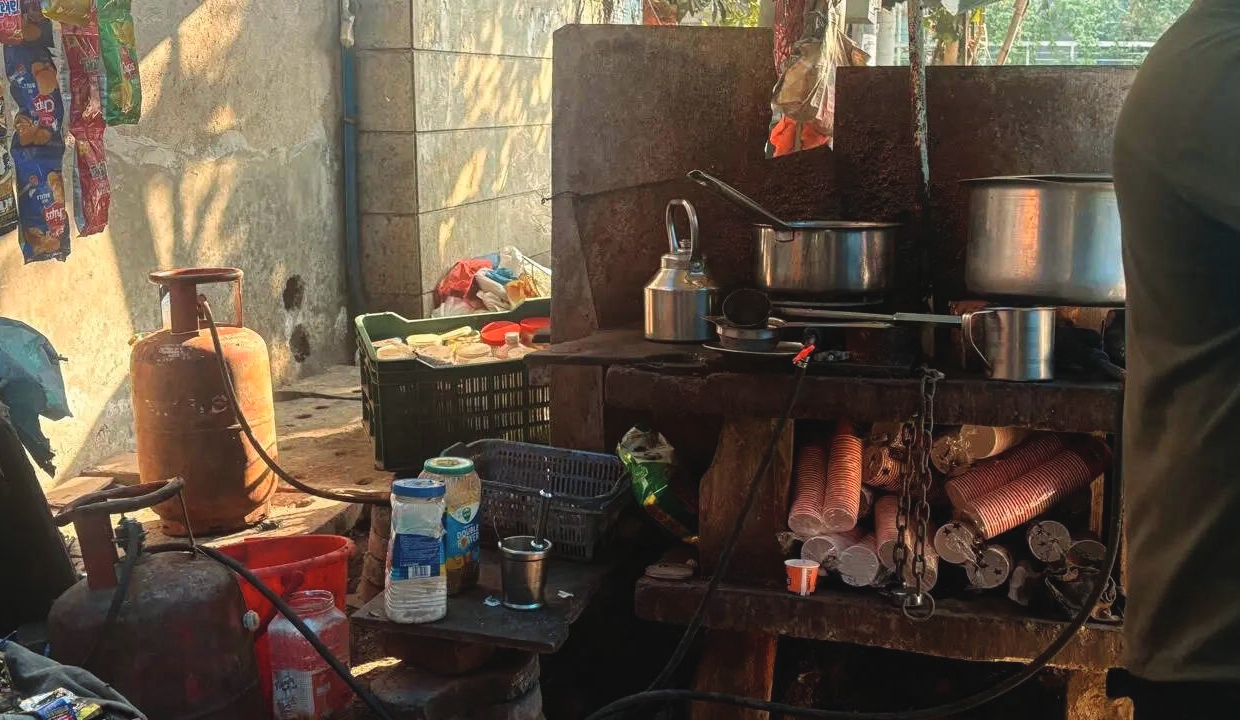
The ongoing LPG crisis has begun to hit where it hurts the most—everyday food. Across Delhi NCR, the impact is now visible on streets, food stalls, and local eateries where prices have surged sharply in just a few weeks. Meals that once cost Rs 50 are now being sold for Rs 80 or more, while simple items like parathas have nearly doubled in price.
This sudden spike is not driven by demand, but by rising cooking costs. LPG, the backbone of small food businesses, has become both expensive and difficult to access. As fuel prices climb and availability tightens, vendors are left with no option but to pass on the burden to customers.
The Real Cost of Cooking: LPG Turns Into a Luxury for Vendors
Behind every plate served on the street lies a growing struggle. Most small vendors depend on smaller LPG cylinders, often sourced through informal or semi-formal channels. In recent weeks, prices in these markets have surged dramatically, multiplying operational costs overnight.
For vendors operating on thin margins, even a small increase in fuel cost disrupts the entire business model. Now, with LPG becoming costlier by the day, maintaining the same pricing is no longer viable. Many have started reducing portion sizes, cutting menu items, or limiting daily operations to cope with the crisis.
Survival Mode: Street Vendors Caught Between Cost and Customers
The crisis has pushed thousands of street vendors into survival mode. On one side are rising expenses—fuel, raw materials, and transport—and on the other is declining customer demand.
Customers, too, are tightening their budgets. With inflation already affecting daily life, many are reducing outside food consumption. This double pressure is squeezing vendors from both ends, leaving them struggling to sustain their livelihoods.
Some vendors report a visible drop in daily sales, while others say they are barely breaking even. For many, the question is no longer about profit—but about survival.
Affordable Food No Longer Affordable for the Poor
For daily wage workers, students, and low-income families, street food has always been the most accessible and affordable option. But with prices rising rapidly, even basic meals are slipping out of reach.
A Rs 50 thali once ensured a full meal for many. Today, the same plate costs significantly more, forcing people to either cut down on food intake or skip meals altogether. The impact is not just economic—it is social, affecting nutrition and daily living.
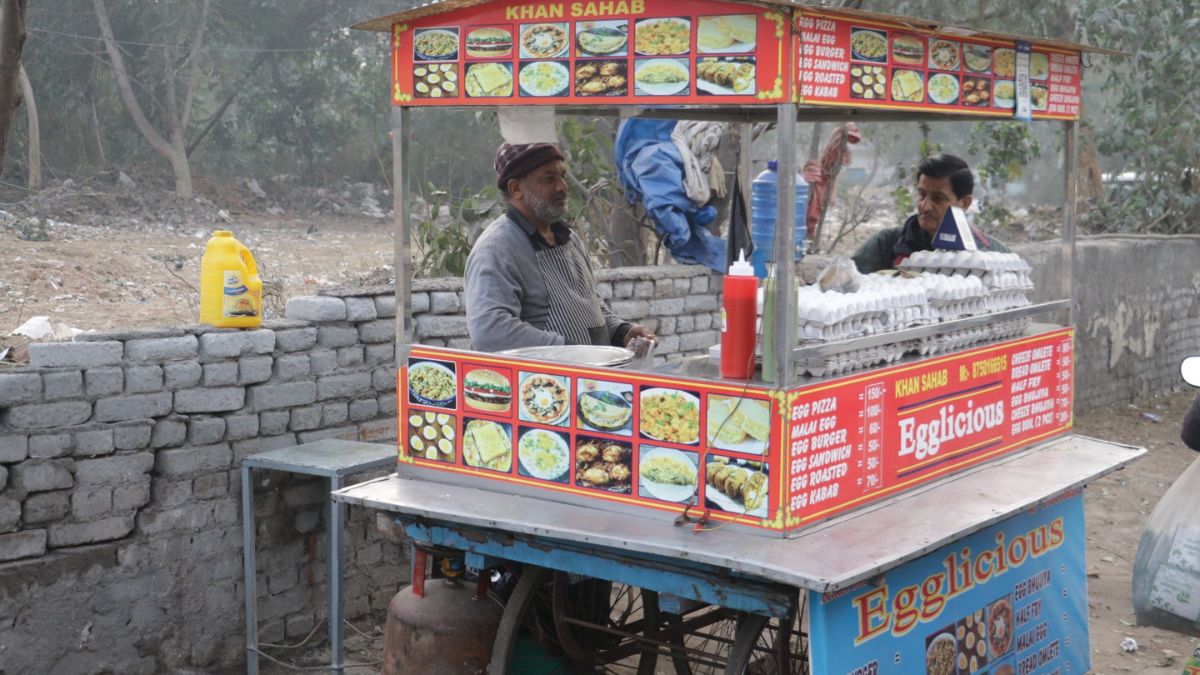
Ripple Effect Across Urban Economy
The LPG crisis is not limited to households or vendors—it is creating a ripple effect across the urban ecosystem. From roadside stalls to small eateries, every segment dependent on affordable fuel is feeling the pressure.
If the situation continues, it could impact employment, reduce small business activity, and increase the cost of living further in urban areas like Noida, Gurugram, and Delhi.
What Lies Ahead: A Growing Concern for Urban Livelihoods
Experts warn that unless LPG supply stabilises and prices are controlled, the crisis could deepen in the coming weeks. The informal economy—especially food vendors and daily wage workers—remains the most vulnerable.
The streets of NCR, once known for affordable and diverse food, are now witnessing a silent transformation. What was once a symbol of accessibility is slowly becoming a challenge of affordability.