
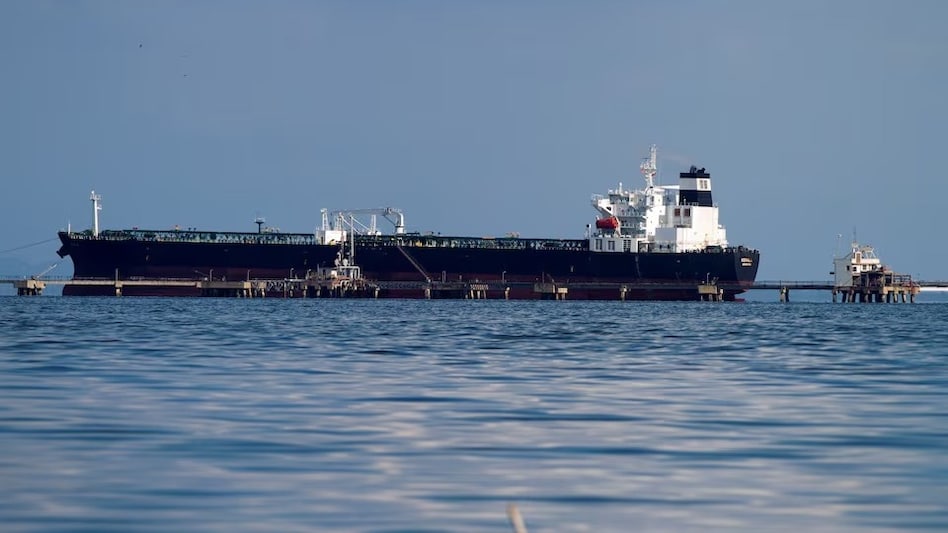
A fresh geopolitical storm is brewing in the Caribbean, and its shockwaves could soon be felt in India’s economy. The United States’ recent seizure of oil tankers allegedly linked to Venezuela has intensified global concerns over energy security, international law, and the growing use of economic coercion — a development that poses direct risks for India.
Earlier this month, Washington intercepted two oil tankers and began tracking a third, accusing them of being part of a “shadow fleet” helping Venezuela, Iran, and Russia bypass Western sanctions. US authorities claim the seized vessels were carrying crude oil primarily to China and, in some cases, to India. The move has sparked debate worldwide, not just over its legality, but over its broader impact on global energy markets.
Unilateral Action, Global Consequences
The Trump administration justified the seizures by alleging that Venezuelan oil revenues are being used to fund organised crime, drug trafficking, and illegal migration. President Donald Trump has accused President Nicolás Maduro of exporting criminal elements to the US — claims that lack independent international verification.
What has unsettled global observers is the unilateral nature of the operation. The interceptions reportedly took place in international waters, without explicit approval from the US Congress. Legal experts warn that such actions weaken long-standing principles of freedom of navigation and the rules-based global trading system.
With ongoing conflicts in Eastern Europe and West Asia already straining markets, this latest escalation adds another layer of uncertainty to an already fragile global order.
Why India Is Directly Exposed
India, the world’s third-largest importer of crude oil, is especially vulnerable to such disruptions. Venezuelan heavy crude has historically been an important feedstock for Indian refineries, particularly when global prices are volatile.
Any interruption to Venezuelan exports — whether through sanctions or maritime seizures — risks driving oil prices higher. For India, even a small spike in crude prices can significantly impact fuel costs, inflation, fiscal deficit, and the current account balance.
Rising energy prices also carry political risks, especially at a time when household expenses and transport costs are already under pressure.
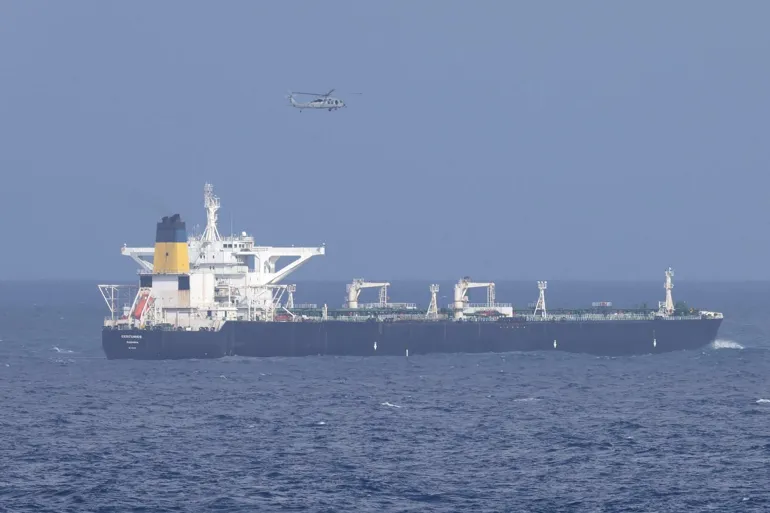
The Shadow Fleet Debate
Washington argues that the seized tankers were operating as part of a “dark fleet” — vessels sailing without proper tracking, insurance, or identification to evade sanctions. While such networks do exist, energy experts caution against conflating all non-Western oil trade with illicit activity.
India’s energy strategy has increasingly focused on diversification, sourcing oil from Russia, Latin America, and the Middle East to secure affordable supplies. Aggressive enforcement measures threaten to inject uncertainty into legitimate commercial transactions, undermining this approach.
A Warning Sign for the Global Economy
Beyond oil markets, the episode reflects a deeper shift in the global economic landscape. The expanding use of sanctions, asset seizures, and trade restrictions has already encouraged many countries to explore alternative payment systems, local currency trade, and reduced dependence on the US dollar.
If such unilateral actions persist, analysts warn they could accelerate the fragmentation of global trade into rival economic blocs — increasing volatility in commodity prices, currencies, and capital flows.
For India, this means navigating a far more complex global environment where economic strategy and foreign policy are increasingly intertwined.
What India Can Do Next
●Experts suggest India should respond with caution and strategic clarity:
●Further diversify energy imports to reduce exposure to geopolitical shocks
●Strengthen strategic petroleum reserves as a buffer against supply disruptions
●Engage diplomatically with producer nations and Western powers to protect trade interests
●Promote alternative payment mechanisms to minimise sanctions-related risks
At the same time, India is expected to continue advocating for respect for international law and multilateral norms in maritime trade.
The Bigger Picture
The US move against Venezuelan-linked oil shipments is no longer just a regional dispute. It highlights a growing trend where economic power is increasingly used as a geopolitical weapon.
For India, the message is clear: energy security cannot be separated from global stability. As power rivalries intensify, New Delhi will have to walk a careful line — safeguarding its economic growth while navigating an increasingly uncertain world order.