

Pradeep Shukla was once the embodiment of India’s bureaucratic ideal — a UPSC Rank 1 topper, a physics gold medallist, and a 1981-batch IAS officer whose intellect and discipline were widely admired. Four decades later, his name stands etched in public memory not for excellence, but for one of India’s most infamous administrative scandals — the Rs 5,700-crore National Rural Health Mission (NRHM) scam.
His journey from brilliance to disgrace offers a sobering case study on how unchecked power can corrode even the sharpest minds.
An Academic Prodigy Who Topped UPSC
Born into a modest background, Pradeep Shukla displayed exceptional academic promise early in life. He completed his Master’s degree in Physics from Allahabad University, earning top honours and a reputation as a scholar with rare analytical depth.
In 1981, Shukla cracked the Civil Services Examination with All India Rank 1, a distinction achieved by only a handful in the exam’s history. Assigned to the Uttar Pradesh cadre, he joined service in 1983 as a Sub-Divisional Magistrate.
Peers described him as brilliant, intense, and unconventional. Known for working through nights and arriving at office after dusk, Shukla cultivated an image of an officer driven purely by work — admired by some, feared by others.
Power Concentrated, Oversight Eroded
Shukla’s career reached its most influential phase between 2009 and 2011, when he simultaneously held two critical positions:
●Principal Secretary, Family Welfare Department
●Mission Director, National Rural Health Mission (NRHM), Uttar Pradesh
The NRHM was one of India’s most ambitious social schemes, designed to strengthen rural healthcare infrastructure. Instead, under Shukla’s tenure, it became a symbol of administrative collapse.
Investigations later revealed forged bills, manipulated tenders, unapproved contracts, and massive fund diversion, all during a period when Shukla exercised near-total administrative and financial control.
Warning Signs Ignored
Operational indicators during his leadership showed alarming decline:
●District Health Society meetings fell from 355 (2008–09) to just 120 (2010–11)
●ASHA worker recruitment, once numbering 20,000 annually, dropped to zero
●Child immunisation figures fell sharply within a year
As chairman of multiple oversight bodies, Shukla effectively monitored himself — a textbook failure of checks and balances.
Murders That Exposed a Rotten System
The scandal exploded into national consciousness in 2010–11, following the murder of two Chief Medical Officers in Lucknow, both linked to NRHM finances. The killings triggered public outrage and forced a CBI investigation.
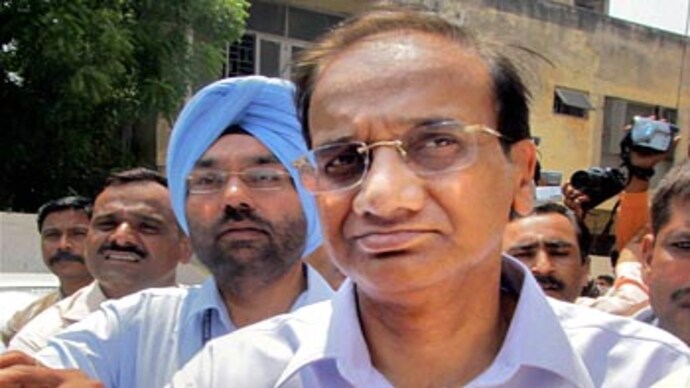
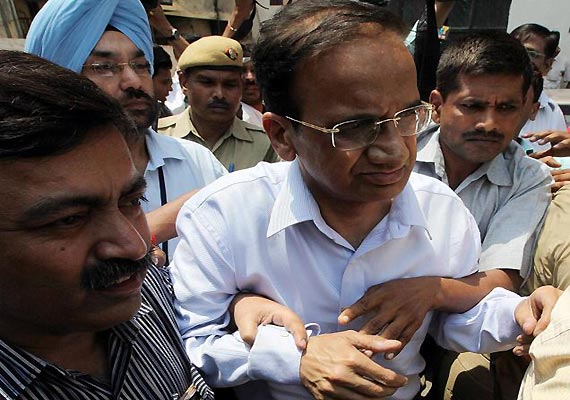
The probe uncovered a vast nexus of officials, contractors, and intermediaries siphoning off public health funds. In April 2011, Pradeep Shukla was removed from office, arrested, and charged with corruption, criminal conspiracy, and misuse of public funds.
A CBI court in Ghaziabad remanded him to judicial custody. The Supreme Court granted medical bail in 2015, followed by conditional relief in 2017, directing him to deposit Rs 72 lakh.
Family Legacy Under a Cloud
Once regarded as an influential administrative family, Shukla’s household too became embroiled in controversies over the years. Multiple allegations and investigations involving family members further eroded what remained of his public standing.
What was once seen as a symbol of bureaucratic prestige turned into a narrative of institutional decay.
A Cautionary Tale for Indian Governance
The story of IAS Pradeep Shukla is no longer just about one officer’s fall. It is now cited in administrative training academies and governance discussions as a case study in how intellect without integrity becomes dangerous.
A UPSC Rank 1 officer who once represented the highest ideals of public service ultimately became a symbol of how absolute authority, when unchecked, invites collapse.
His journey serves as a stark reminder:
Merit opens doors, but accountability keeps them open.