
Canada’s tightening immigration policies are triggering growing anxiety among thousands of Indian temporary residents, with reports emerging of undocumented settlements, cash-in-hand work, and informal networks operating in wooded areas around Brampton and Caledon.
According to community activists and journalists, makeshift encampments have begun appearing in forested zones as work permits expire and legal pathways shrink. Brampton-based journalist Nitin Chopra, who documented one such site, told the Hindustan Times that there is anecdotal evidence of out-of-status Indian immigrants working informally and illegal operators arranging marriages of convenience to help individuals remain in the country.
Permits Expiring, Pathways Closing
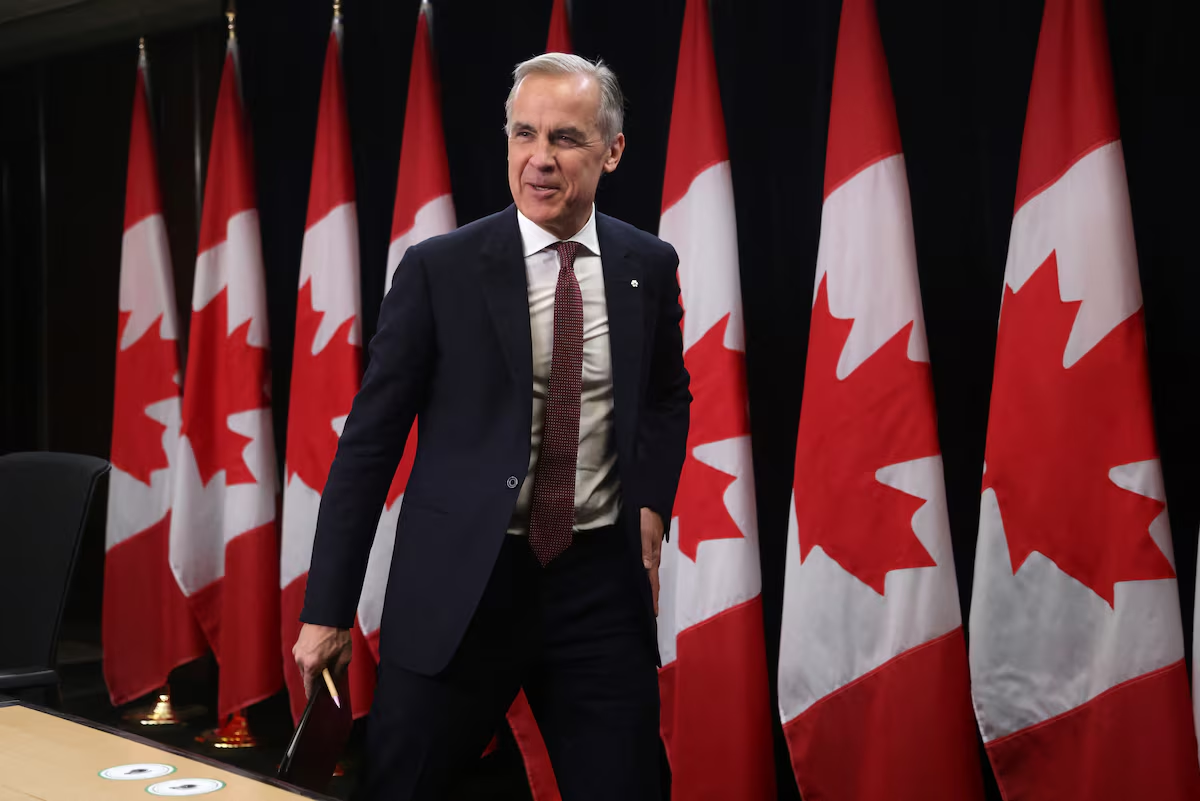
The situation has intensified following a series of policy shifts under Prime Minister Mark Carney, who has announced sharp caps on immigration numbers until 2028. Canada’s permanent residency intake will fall to 380,000 in 2026, while the intake of temporary foreign workers, international students, and refugees will also be significantly reduced.
In September, the Canadian government confirmed a major overhaul of the Temporary Foreign Worker Program, arguing that immigration levels must better align with labour demand while easing pressure on housing, infrastructure, and public services. The government has also set a goal to reduce non-permanent residents from 7% of the population to 5% by 2027.
Fear of Falling Into Illegality
Temporary residents whose permits expire are allowed a 90-day restoration window, but the process is expensive, prohibits employment during review, and can take months. With approvals uncertain and incomes halted, many migrants fear slipping into undocumented status.
Activist groups are now mobilising. The Naujawan Support Network, which advocates for migrant workers’ rights, has announced plans to stage protests in January, warning that Canada may be heading towards a large-scale undocumented population crisis.

Why Canada Is Tightening Immigration
Canada admitted nearly 1.2 million newcomers between 2022 and 2023, driving the fastest population growth since the 1950s. While this helped fill labour shortages, it also intensified the country’s housing and healthcare crises.
A survey by the Angus Reid Institute found that 28% of Canadians are considering leaving their province due to housing affordability, while another poll by Ekos revealed that 44.5% blame high immigration levels for the housing crisis. Meanwhile, hospitals across Canada continue to operate beyond capacity due to staff shortages and rising patient loads.
These domestic pressures—combined with geopolitical factors and calls from the United States to curb immigration—have pushed Ottawa to recalibrate its once-open immigration model.
For many Indian migrants, however, the sudden shift has turned the Canadian dream into a period of uncertainty, survival, and fear of invisibility.