
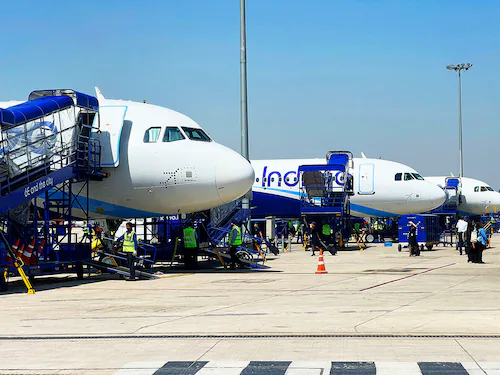
In an unprecedented move to shield passengers from soaring ticket prices, the Central government has imposed temporary caps on airfares across major domestic routes after a massive operational collapse at IndiGo left India’s aviation sector in turmoil.
The Ministry of Civil Aviation (MoCA) announced the emergency measure late Friday after reports of airlines charging double and triple the usual fares on routes affected by IndiGo’s cancellations. The fare cap will remain in place until IndiGo restores normal operations.
Calling the situation “extraordinary and unacceptable,” the ministry said the step was necessary to ensure “fair and reasonable pricing” and to prevent airlines from exploiting passengers stranded due to IndiGo’s breakdown.
Aviation Gridlock: 1,500+ IndiGo Flights Cancelled in 4 Days
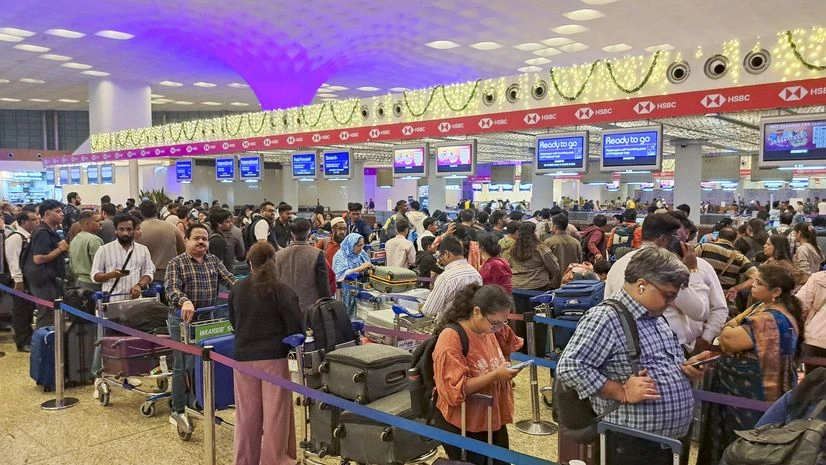
India’s largest airline, which carries nearly 60% of domestic passengers, has cancelled over 1,500 flights in just four days, triggering nationwide chaos. Airports in Delhi, Mumbai, Bengaluru, Hyderabad, Pune, and Nagpur reported scenes of confusion as passengers scrambled for last-minute alternatives.
The DGCA revealed the root cause:
●A critical planning failure by IndiGo in implementing the new Flight Duty Time Limitations (FDTL)
●The new norms, introduced to prevent pilot fatigue, require strict scheduling discipline. IndiGo’s miscalculation led to a severe pilot shortage and a cascading operational collapse.
●Long queues, 12-hour delays, and mass cancellations have left thousands displaced—many sleeping at airports as they wait for the next available flight.
Fare Surge Sparks Outrage, Govt Steps In
As soon as IndiGo’s network collapsed, fares on competing airlines shot up dramatically.
Rs 4,000 Delhi–Mumbai routes jumped to ₹12,000
Rs 6,000 Bengaluru–Delhi fares rose to nearly ₹20,000 in some cases
Social media was flooded with complaints accusing airlines of predatory, opportunistic pricing in a crisis.
This forced MoCA to issue a stern directive:
“Exorbitant pricing during emergencies will not be tolerated.”
The ministry has set up real-time monitoring to track fare violations and warned airlines of immediate action if caps are breached.
SpiceJet & Others Ramp Up Rescue Capacity
In an attempt to stabilise the system, SpiceJet announced 30 emergency flights, while Vistara, Akasa Air, and Air India have also deployed additional aircraft.
However, aviation experts caution that since IndiGo controls the majority of domestic traffic, even a small disruption has a nationwide ripple effect—and this is the largest disruption India has ever seen from a single airline.
IndiGo Issues Apology, Promises Normalcy “Soon”
IndiGo acknowledged the meltdown, calling it an “exceptional operational challenge,” and promised restoration of normal schedules within the next few days. The airline has begun recalling off-duty pilots and adjusting rostering plans.
But for now, passengers remain stranded and frustrated.
A Wake-Up Call for India’s High-Growth Aviation Industry
The crisis has exposed the fragility of India’s aviation ecosystem:
●Overdependence on a single airline
●Lack of backup capacity
●Vulnerability to scheduling missteps
●Rapid expansion without equally rapid workforce strengthening
The government’s fare cap brings temporary relief, but experts believe the aviation sector must now urgently rethink crisis planning, pilot workforce management, and regulatory compliance.
As one official put it:
“No nation can afford to have millions of passengers grounded because a single airline miscalculated staffing.”
For now, the fare caps ensure passengers are protected—but the IndiGo crisis is likely to reshape aviation policy for years to come.