
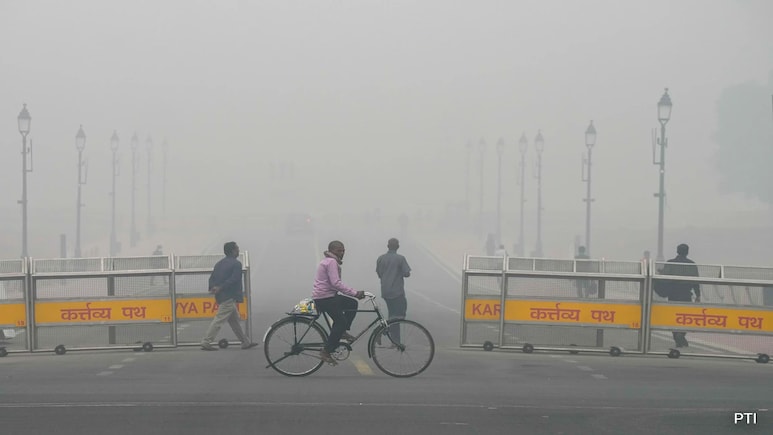
Delhi’s air quality has plunged into the “severe” category, triggering Stage-IV of the Graded Response Action Plan (GRAP)—the toughest set of anti-pollution measures—within 24 hours. With AQI levels crossing 400 at multiple monitoring stations, authorities have rolled out emergency curbs to arrest further deterioration and protect public health.
What the GRAP-IV Curbs Mean
Under GRAP-IV, several high-impact restrictions come into immediate effect:
Vehicle curbs: All non-Delhi registered vehicles that are BS-IV or older are barred from entering the city.
Construction halt: All construction and demolition activities are suspended to cut dust emissions.
Diesel restrictions: Non-essential diesel carriers below BS-VI standards are prohibited.
Schools on alert: Authorities may shift schools to hybrid/online learning if conditions worsen.
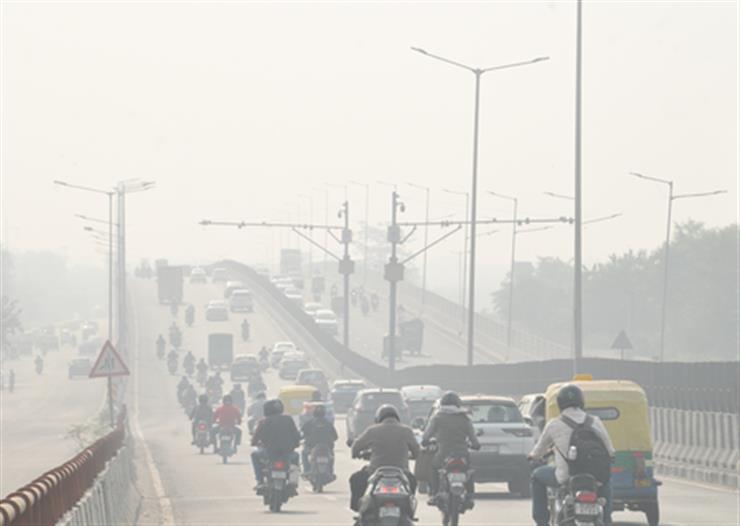
Why the Emergency Measures Were Triggered
The decision was taken by the Commission for Air Quality Management (CAQM) after calm winds and stagnant winter conditions trapped pollutants close to the ground. Such meteorological factors, combined with vehicular emissions and dust, led to a sharp spike in pollution across the capital.
Health Advisory for Residents
Doctors warn that exposure to severe pollution can aggravate asthma, bronchitis, heart conditions, and eye and throat irritation—especially among children, the elderly, and those with pre-existing illnesses. Residents are advised to:
●Limit outdoor activity
●Use masks outdoors
●Avoid open burning
Follow advisories issued by local authorities
Authorities’ Appeal
Officials have urged citizens and agencies to strictly comply with GRAP norms, ensure dust control, and curb activities that add to pollution. The coming days will be crucial, with any improvement hinging on stronger winds or rainfall.