
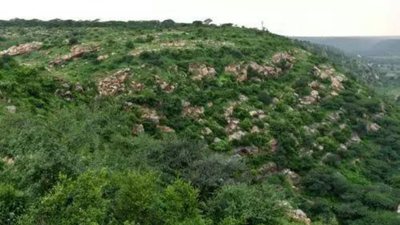
In the rugged folds of the Aravalli hills that fringe Gurugram, ecological decline has long posed a serious challenge. Shallow soil, limited rainfall, and years of ecological neglect have left large stretches of this ancient mountain range degraded and stripped of biodiversity. Once thriving grasslands and native ecosystems gradually gave way to invasive growth, shrinking wildlife habitats and disturbing natural balance.
Now, under the leadership of Indian Forest Service (IFS) officer Subhash Yadav, a determined restoration effort is underway to reverse decades of damage and restore ecological integrity to the region.
As the Divisional Forest Officer of Gurugram, Yadav has taken on one of the toughest environmental challenges in Haryana — the unchecked spread of Prosopis juliflora, locally known as vilayati kikar. Introduced decades ago, this invasive species rapidly overtook native vegetation, choked grasslands, reduced groundwater recharge, and disrupted the delicate food chain of the Aravalli ecosystem.
From Invasive Thickets to Restored Grasslands
The restoration strategy being implemented is science-driven and systematic. Instead of simply planting trees, forest teams are carefully removing dense patches of prosopis and rehabilitating the soil to support indigenous plant species. The focus is on restoring grasslands first — the ecological foundation of the region.
Grasslands are essential because they sustain herbivores, which in turn support predators. When invasive species suppressed native grasses, wildlife began straying into urban and agricultural areas, increasing human-animal conflicts. By rebuilding grassland ecosystems, officials aim to restore the natural habitat and encourage wildlife to remain within forest boundaries.
This is not a cosmetic plantation drive; it is an ecological reset.
Reviving Water Systems and Soil Health
Water scarcity defines much of the Aravalli belt, where rainfall is seasonal and inconsistent. Recognising this, the restoration plan includes reviving natural water systems such as seasonal ponds and catchment areas. Improving soil moisture retention and groundwater recharge is central to long-term sustainability.
Biological restoration zones are being carefully protected through monitoring, boundary management, and measures that reduce human interference. These efforts allow natural regeneration to take place while strengthening ecosystem resilience.
Scaling Up with Partnerships and Long-Term Planning
The initiative is being implemented at scale. Work has already begun across large tracts, including a 1,000-acre patch where invasive removal is underway ahead of the monsoon season. Over the next few years, thousands of hectares across districts are expected to undergo similar ecological treatment.
Yadav’s approach emphasises collaboration — involving NGOs, CSR partners, scientific institutions, and community stakeholders. The plan includes long-term monitoring, independent evaluation, and structured maintenance to ensure that restored landscapes remain sustainable.
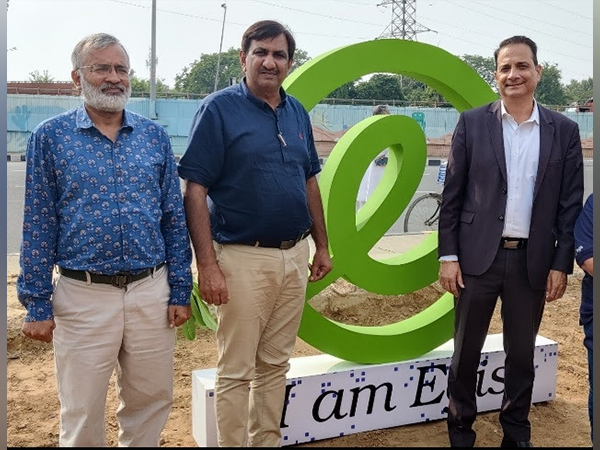
Restoring Balance, Not Just Planting Trees
For Subhash Yadav, restoration means rebuilding an ecosystem — not just increasing green cover. The goal is to bring back native plants, restore grasslands, improve water systems, and support wildlife movement within natural habitats.
“If native plants return, grasslands return. Herbivores return. And when food is available inside, wildlife stays inside,” he explains.
In a rapidly urbanising Gurugram, the Aravalli restoration effort represents more than environmental management. It is an attempt to protect one of the world’s oldest mountain systems — and to ensure that ecological balance is not sacrificed at the altar of development.