
The Yamuna River in Delhi could soon witness the return of indigenous fish species as the National Green Tribunal (NGT) has issued fresh directions to the Central Pollution Control Board (CPCB) to take concrete steps for restoring aquatic biodiversity. The move comes amid growing concern over the sharp decline of native fish due to rising pollution levels.
According to officials, the NGT has asked CPCB to work towards increasing the population of Indian native fish species while also controlling the spread of invasive foreign varieties that are dominating polluted stretches of the river.
NGT Flags Alarming Decline in Native Fish
The directive was issued by the NGT’s principal bench, headed by Justice Prakash Shrivastava, after taking note of scientific findings that revealed a worrying reduction in indigenous fish populations in the Yamuna.
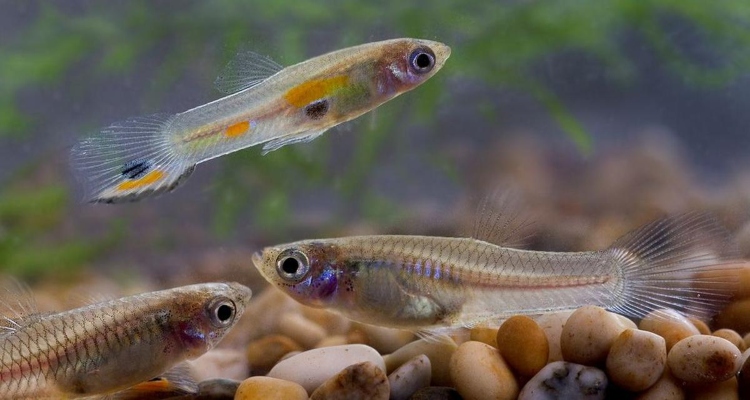
A detailed survey conducted between 2020 and 2024 by ICAR–CIFRI found 126 species of fish across the Yamuna basin from Yamunotri to Prayagraj. However, the report highlighted that traditional Indian species such as Catla, Rohu, Mahseer, and Eel are rapidly declining, especially in the Delhi–Mathura stretch.
Foreign Species Thriving in Polluted Waters
The study found that while native fish are disappearing, foreign and invasive species such as Common Carp, Nile Tilapia, and Thai Mangur are increasing in heavily polluted sections of the river. These species are more adaptable, can survive in low-oxygen environments, and feed on a wide variety of organic matter.
Experts warned that invasive species disrupt the natural ecosystem by outcompeting native fish for food and habitat, further accelerating biodiversity loss.
Delhi–Mathura Stretch Most Affected
The report identified the Delhi to Mathura stretch as the most severely affected zone, with the Wazirabad to Okhla segment showing the lowest fish diversity. In this stretch, only Mangur fish were found, indicating extreme ecological stress.
At locations such as ITO, the Yamuna’s water flow and dissolved oxygen levels were found to be close to zero, making survival nearly impossible for most native aquatic life.
Pollution and Climate Change Behind the Crisis
The NGT noted that untreated sewage discharge, industrial pollution, dams, habitat modification, overfishing, and climate change are key factors responsible for the decline of native fish in the Yamuna.
The tribunal stressed the need for a coordinated approach involving pollution control, habitat restoration, and biodiversity conservation to revive the river’s ecological balance.
Hope for Ecological Revival
Environmental experts believe that if CPCB’s action plan is implemented effectively, the return of native fish species could serve as a strong indicator of improving water quality. Restoring aquatic life in the Yamuna is also seen as crucial for reviving the river’s overall health and sustaining dependent communities.