
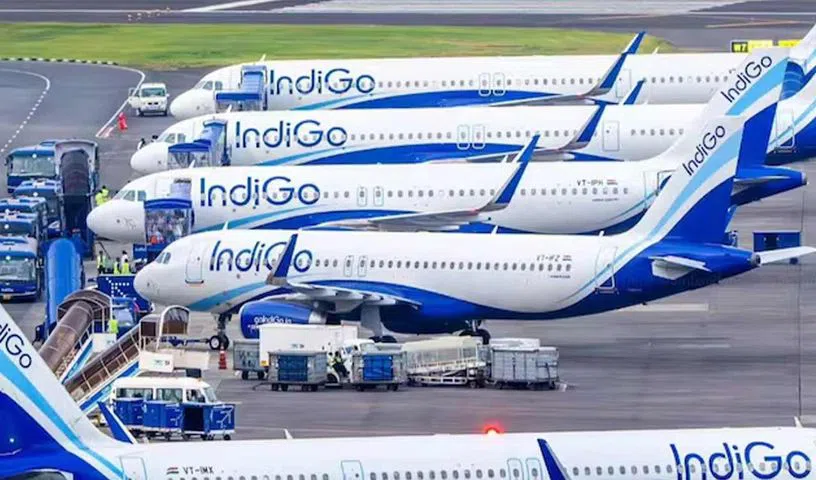
India’s largest airline, IndiGo, is facing one of the most serious operational crises in Indian aviation history after cancelling nearly 4,500 flights in the first week of December, triggering passenger chaos nationwide and exposing critical lapses in crew planning. The fallout could cost the airline over Rs 500 crore in compensation, refunds, and travel vouchers, according to industry estimates.
The unprecedented disruption, which stranded thousands of passengers at major airports, prompted swift regulatory action. The Directorate General of Civil Aviation (DGCA) ordered IndiGo to reduce its domestic winter schedule by 10%, citing non-compliance with newly implemented flight duty and rest time regulations for pilots.
What Triggered the Crisis
The mass cancellations followed the enforcement of revised Flight Duty Time Limitation (FTL) norms, aimed at improving aviation safety by mandating longer rest periods for pilots and cabin crew. However, sources familiar with the matter said IndiGo failed to adequately recalibrate its rostering systems and manpower planning to align with the new rules.
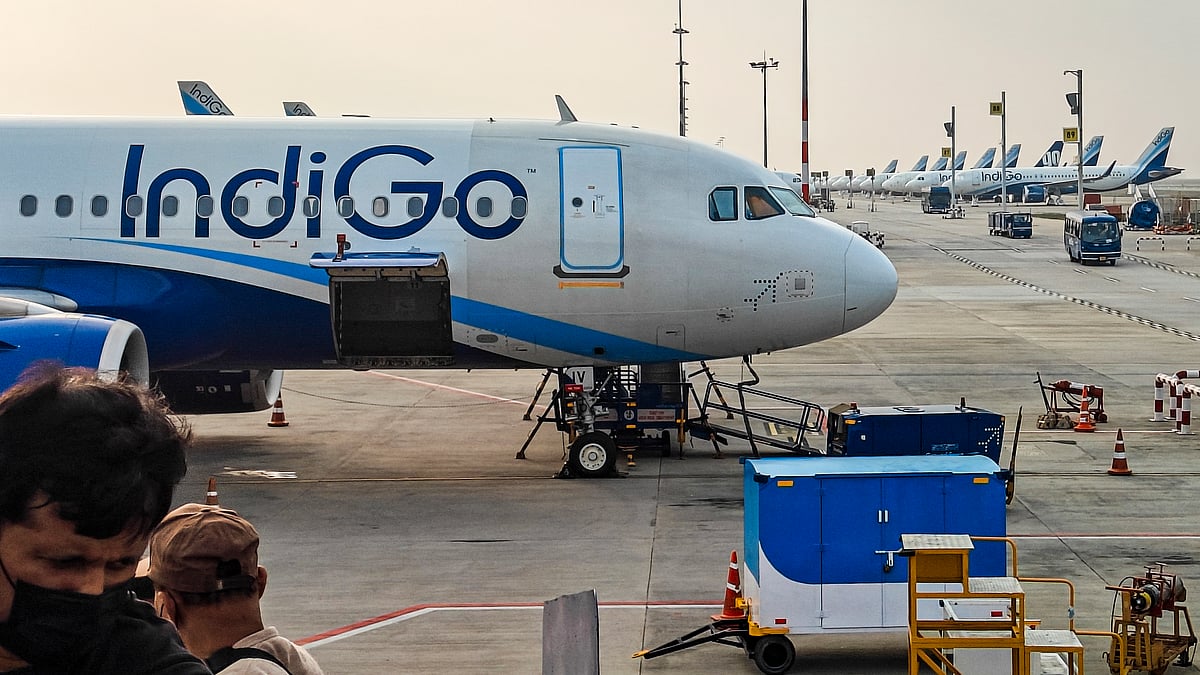
As a result, large numbers of pilots became unavailable at short notice, grounding aircraft across the network. Key hubs including Delhi, Mumbai, Bengaluru, and Hyderabad witnessed severe congestion, with long queues, delayed announcements, and limited rebooking options compounding passenger distress—particularly during the peak December travel season.
Passenger Fallout and Compensation Plan
In a statement posted on X (formerly Twitter), IndiGo acknowledged the disruption and said it is identifying passengers who were “severely impacted,” especially those stranded on December 3, 4, and 5. The airline has committed to compensating customers whose flights were cancelled within 24 hours of departure and those forced to wait at airports for extended periods.
IndiGo has already announced Rs 10,000 travel vouchers for affected passengers during the worst-hit days. Combined with refunds, accommodation, and logistical costs, analysts estimate the total financial impact could exceed Rs 500 crore, marking a significant hit to the airline’s near-term profitability.
Regulatory Action and Government Review
The DGCA has sought a detailed explanation from IndiGo’s senior management and suspended four flight operations inspectors for oversight failures. Aviation Minister K. Ram Mohan Naidu convened an urgent review meeting with officials from DGCA and the Airports Authority of India (AAI), directing authorities to ensure full “winter readiness” to avoid a repeat of the crisis.
The regulator has also stressed strict compliance with crew welfare norms, warning that safety cannot be compromised in pursuit of operational efficiency.
Impact on IndiGo and the Industry
Aviation analysts believe the disruption could weigh on IndiGo’s Q3 financial performance, with downward revisions expected in capacity deployment and passenger yields. While the airline’s long-term fundamentals remain strong due to its dominant market share and large fleet, the episode has dealt a reputational blow to a carrier long associated with reliability and punctuality.
Rival airlines such as Akasa Air and Air India Express are likely to see short-term gains as passengers seek alternatives amid lingering uncertainty.
Lessons for Indian Aviation
Industry experts say the incident exposes structural weaknesses in India’s rapidly expanding aviation sector, including pilot shortages, over-dependence on automated rostering, and reactive regulatory compliance.
“Aviation growth must be matched with realistic crew planning and safety-first decision-making,” said aviation consultant Satyendra Bhargava. “This episode is a reminder that regulatory preparedness is as important as fleet expansion.”
The Road Ahead
IndiGo has initiated a comprehensive review of its operational planning and claims that over 90% of its network has stabilised. However, industry insiders caution that full normalisation could take weeks as the airline adjusts schedules, restores passenger confidence, and aligns manpower with regulatory requirements.
For now, India’s most successful airline is navigating one of its toughest challenges yet—one that may redefine how domestic carriers balance growth, compliance, and customer trust in an increasingly demanding travel landscape.