
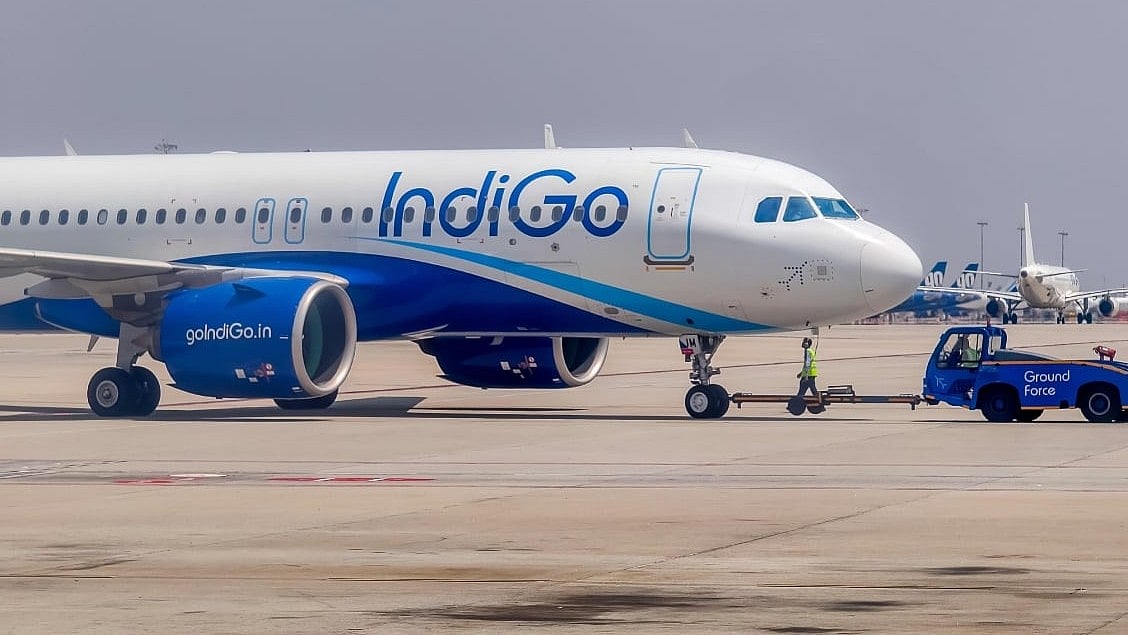
India’s largest airline, IndiGo, is facing one of the most serious operational crises in its history, with passenger compensation payouts expected to cross Rs 500 crore after thousands of flights were abruptly cancelled earlier this month. The aviation regulator has stepped in, ordering the airline to cut 10% of its winter schedule, signalling strong disapproval of what officials describe as systemic planning failures.
Between December 3 and December 5, IndiGo cancelled nearly 4,500 flights, leaving tens of thousands of passengers stranded across major airports, including Delhi, Mumbai, Bengaluru and Hyderabad. The cancellations triggered widespread anger, viral social media backlash, and urgent regulatory scrutiny.
Pilot Rostering Failure at the Core
According to aviation officials, the disruption was caused by poor pilot roster planning following the implementation of new Directorate General of Civil Aviation (DGCA) rules mandating longer rest periods for flight crew. While the safety-focused norms were announced well in advance, IndiGo failed to realign its scheduling model in time, leading to a sudden shortage of available pilots.
Industry experts say the crisis was avoidable.
“This was not a weather issue or technical failure. It was a breakdown in planning and execution,” said an aviation analyst. “For an airline with IndiGo’s scale and resources, such a lapse raises serious questions.”
Passenger Compensation Underway
In a statement posted on X (formerly Twitter), IndiGo confirmed it is identifying passengers who were severely impacted or left stranded and will compensate them accordingly. The airline said passengers whose flights were cancelled within 24 hours of departure, or those forced to wait for extended periods at airports, will be eligible.
While IndiGo has not disclosed per-passenger compensation amounts, sources indicate the total payout could exceed ₹500 crore, including cash refunds, travel vouchers, and alternate flight arrangements, depending on the severity of disruption.
DGCA Takes Rare Disciplinary Action
In a rare and stern move, the DGCA has ordered IndiGo to reduce its winter flight capacity by 10%, a decision that directly affects the airline’s revenue during the peak travel season. The regulator has also suspended four flight inspectors responsible for overseeing pilot compliance and directed IndiGo to submit a corrective action plan within two weeks.
The action underscores the regulator’s intent to enforce accountability, particularly as passenger safety and operational reliability remain under the spotlight.
Financial and Brand Impact
While IndiGo continues to dominate the domestic aviation market with a 65% market share, analysts warn that repeated operational disruptions could erode customer trust—especially among business travellers and corporate clients.
The airline has already revised its quarterly capacity and revenue forecasts downward, acknowledging the financial impact of reduced operations. A compensation bill of this scale could significantly dent its third-quarter earnings, despite its strong balance sheet.
Ripple Effect on Travel and Tourism
The fallout has extended beyond aviation. Travel agents report a surge in rebookings and cancellations, while hotels in tourist destinations such as Goa, Jaipur, Kochi and Kerala have seen a noticeable drop in December occupancy.
According to the Federation of Hotel and Restaurant Associations of India (FHRAI), nearly 20% of winter holiday bookings linked to IndiGo flights have either been postponed or cancelled.
A Wake-Up Call for the Aviation Industry
The IndiGo episode has highlighted the risks of aggressive scheduling without sufficient buffers during regulatory transitions. As the airline works to stabilise operations and rebuild passenger confidence, the incident serves as a cautionary tale for the broader aviation sector.
In an industry where reliability is as crucial as affordability, operational efficiency cannot come at the cost of planning—or passengers.