
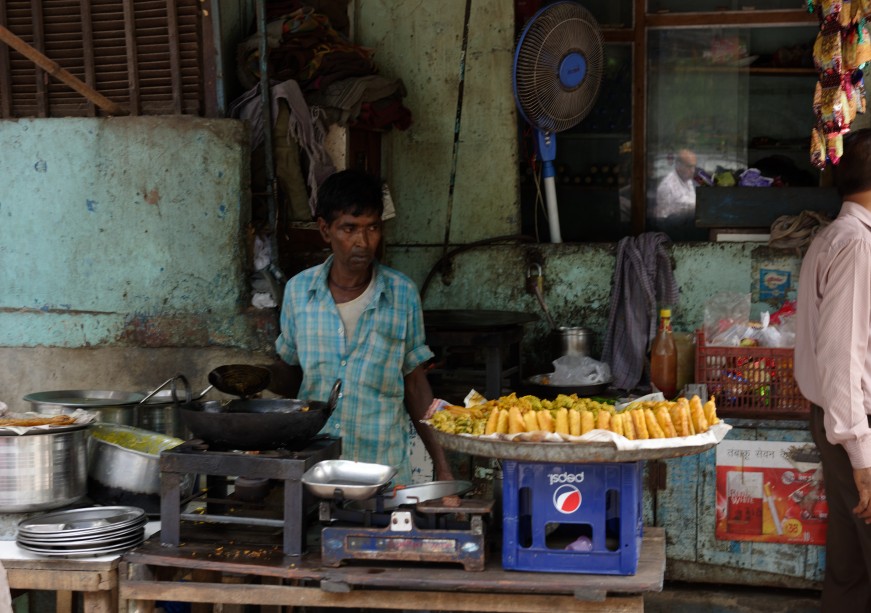
Across India, from small towns to metro cities, roadside food stalls selling pani puri, chaat, golgappa, and other popular snacks are a common sight. These foods are affordable, tasty, and deeply woven into everyday life. But behind the flavour and nostalgia lies a growing public health concern that can no longer be ignored.
Unhygienic preparation methods are visible almost everywhere. Vendors crush spices with bare hands, prepare chilli water and masala in open containers, use untreated water and ice, and serve food amid dust, flies, and traffic pollution. Despite these visible risks, millions consume such food daily, often unaware that what they are eating may be more dangerous than nutritious.
This raises a serious question: Has the Food Safety and Standards Authority of India (FSSAI) failed to notice what is happening in plain sight?
Where Is the Food Safety Oversight?
FSSAI has clear regulations for food safety, hygiene, licensing, and quality control. Street food vendors are required to follow basic hygiene standards, use clean water, maintain personal cleanliness, and obtain food safety registration or licenses. However, on the ground, enforcement appears weak or nearly invisible.
Citizens ask:
●Where are the FSSAI field officers?
●Are roadside stalls inspected regularly?
●Is water used for food preparation tested?
●Are masala, ice, and hand hygiene ever sampled and checked?
●If rules exist, why are licenses, warnings, penalties, and closures rarely seen?
●Health Risks and Silent Suffering
Doctors repeatedly warn that contaminated street food can cause food poisoning, diarrhoea, typhoid, hepatitis A, cholera, and long-term stomach infections. Children, elderly people, and those with weak immunity suffer the most. Yet, when outbreaks occur, responsibility remains unclear.
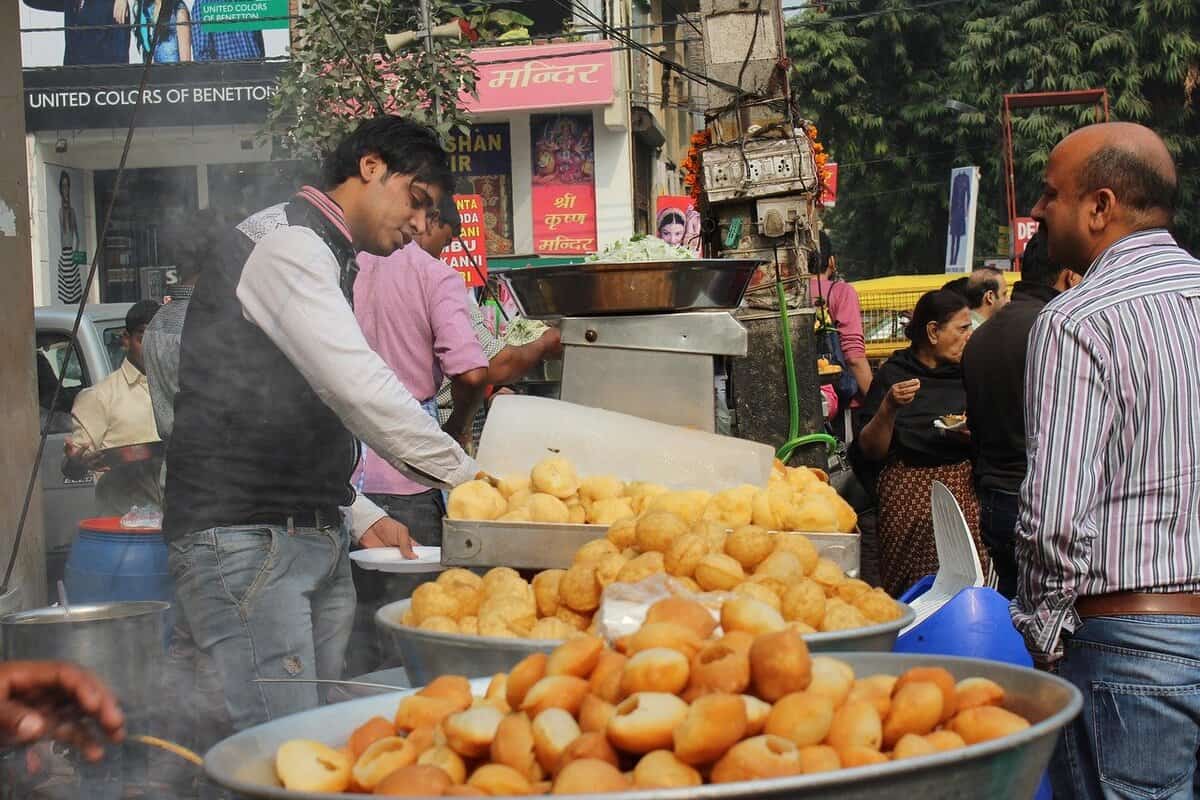
When people fall sick, who is held accountable?
The street vendor trying to earn a living?
Or the system that failed to monitor, train, and regulate?
Rarely do cases result in FIRs, penalties, or corrective action. Most of the time, patients bear medical costs while the system stays silent.
Systemic Failure or Policy Neglect?
This is not a call to shut down street food culture, which supports millions of livelihoods. It is a demand for accountability, training, regular inspections, and transparent enforcement. Countries across the world have safe street food models—India can too.
If food safety laws remain only on paper and not on streets, then public health is being compromised daily. The bigger question remains unanswered:
Is it acceptable that common citizens fall ill while the system looks away?