
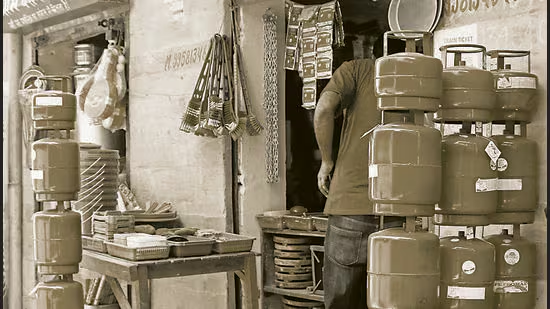
Amid an ongoing LPG supply crunch, cities like Gurugram and Delhi are witnessing a gradual shift toward smaller LPG cylinders, particularly among migrant workers and industrial labourers.
Over the past few days, authorities have begun prioritising LPG allocations for migrant populations, with officials confirming that around 60 to 70 mini cylinders were sold over a two-day period. While the numbers remain modest, they signal a changing pattern in fuel consumption driven by necessity rather than choice.
Slow Uptake Despite Availability
Despite being available for nearly a year, 5kg and 10kg LPG cylinders had largely gone unnoticed until the recent supply disruptions brought them into focus.
Distributors admit that demand is still limited. On average, only 15–16 cylinders are being sold daily across multiple authorised centres, indicating that awareness remains a major barrier.
Officials say efforts are now underway to inform industrial workers and migrant communities about these smaller, more accessible options, especially as traditional supply chains continue to face pressure.
Industries Step In as Workers Cook On-Site
The crisis has begun to impact industrial zones, with several factories in areas like Udyog Vihar, Manesar and Sector 37 allowing workers to cook within premises to manage the shortage.
Industry leaders warn that while migration has not surged significantly yet, the situation could worsen without better coordination. The seasonal harvesting period in April typically triggers workforce movement, and the current supply issues are adding to the strain.
Authorities have now allowed industries to directly procure LPG and PNG supplies from distribution agencies, bypassing earlier bureaucratic processes to ensure quicker access.
Crackdown on Black Marketing and Misuse
With supply tightening, concerns over black marketing and misuse have intensified. Officials have issued strict warnings against unauthorised procurement and diversion of cylinders.
Distributors are now required to maintain daily supply records, and enforcement agencies are closely monitoring distribution patterns. The move aims to ensure that limited supplies reach genuine consumers rather than informal markets.
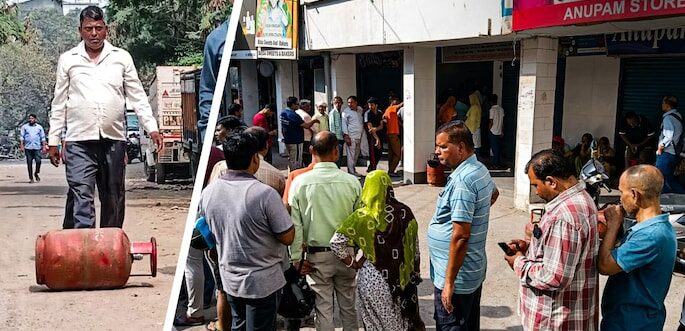
Delhi Tightens Rules to Prevent Malpractice
In a significant step, the Delhi Government has banned direct LPG cylinder sales from storage godowns to curb irregularities.
Chief Minister Rekha Gupta announced the decision as part of a broader effort to regulate distribution and prevent hoarding or illegal sales.
Authorities are also expanding access to 5kg cylinders and setting up help desks to guide consumers, mirroring similar initiatives already underway in Gurugram.
The LPG situation highlights a deeper issue—how quickly supply disruptions can impact daily life, especially for vulnerable communities.
Mini cylinders, once ignored, are now emerging as a crucial fallback option. But without awareness, proper distribution, and strict monitoring, even these solutions may fall short.
As authorities tighten control and industries adapt, the coming weeks will determine whether the system stabilises—or the crisis deepens further.