

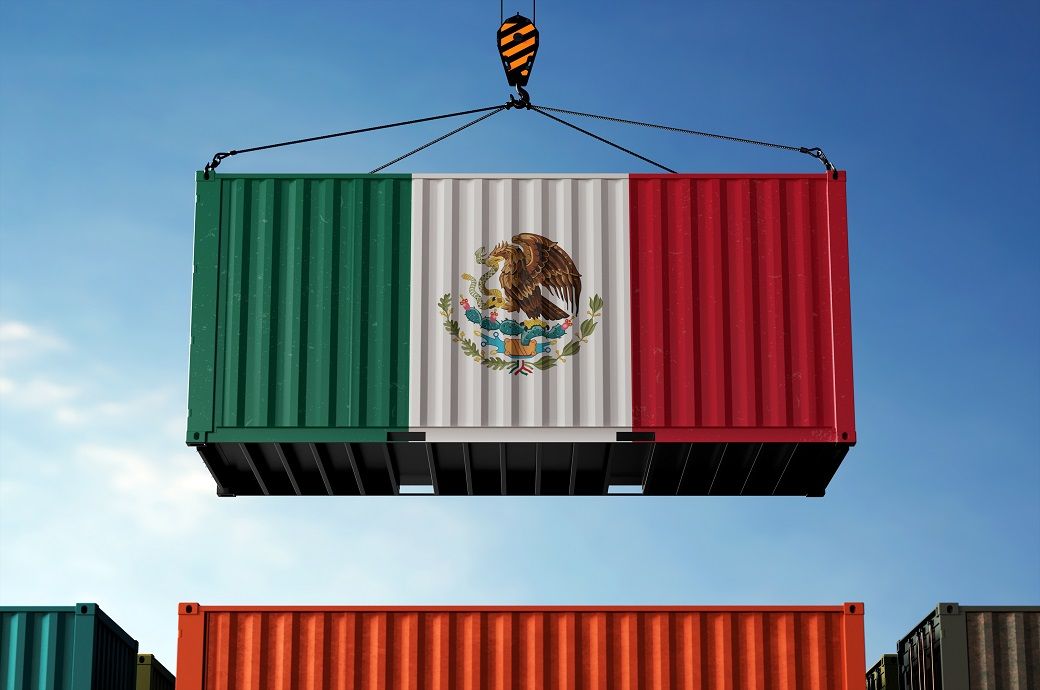
In a move that could reshape global supply chains, Mexico has approved steep new tariffs of up to 50% on more than 1,400 products imported from India, China, South Korea, Thailand, Indonesia, and other Asian economies.
The new tariff regime — one of Mexico’s biggest trade shifts in decades — will take effect from 2026, signaling a major political, economic, and diplomatic realignment just ahead of the 2026 USMCA review.
The Senate passed the bill with a comfortable majority: 76 votes in favour, brushing aside objections from industry groups and Chinese diplomats who called the policy “unfriendly and discriminatory.”
A Big Blow to Indian Exporters: Key Sectors to Suffer
For India, the tariff hike is nothing short of a strategic setback.
Mexico, the second-largest economy in Latin America, has long served as India’s gateway to North America, thanks to its proximity to the U.S. market. Several Indian exporters in:
●Textiles & Apparel
●Auto Components
●Engineering Goods
●Steel & Metals
rely on Mexico as a transit hub for U.S. supply chains.
But with tariffs as high as 50%, Indian goods will lose competitiveness overnight.
Local Mexican manufacturers warn the move will increase production costs, fuel inflation, and disrupt factory operations that depend on Asian raw materials.
India’s Commerce Ministry has yet to respond officially.
Trade Analysts: “This Is a U.S.-Driven Protectionist Push”
Experts believe the sudden tariff escalation is directly linked to Washington’s pressure on Mexico ahead of the USMCA renegotiation in 2026.
The U.S. has been pushing partners to curb reliance on Chinese supply chains. Mexico’s new tariff plan — heavily mirroring U.S. trade actions — appears to signal compliance.
President Claudia Sheinbaum has denied U.S. influence, but the timing and structure of the tariffs tell another story.
The Finance Ministry expects 52 billion pesos (₹19,000 crore) in annual revenue from these duties.
Political Firestorm Inside Mexico
The tariff decision has triggered sharp debate:
◆Opposition Warning: “A Hidden Tax on Consumers”
Opposition Senator Mario Vázquez cautioned that the tariffs may protect certain industries, but they will also make everyday goods more expensive.
◆Ruling Party: “This Will Strengthen Mexican Industry”
Morena party leaders claim the move is essential to protect jobs and revive manufacturing.
Auto Industry Cheers the Decision
Mexico’s auto sector — facing a flood of low-cost Chinese cars — is one of the biggest supporters. Chinese vehicles now represent 20% of Mexico’s market. Under the new policy, they will face the maximum 50% duty, aimed at reviving domestic assembly plants.
What This Means for India and Asia
Major Impacts on Indian Industry
● Higher import duties = reduced price competitiveness
● Loss of access to U.S. markets through Mexico
● Increased supply chain costs
● Need to re-route exports via Brazil, Chile, or Colombia
This development is part of a broader North American shift toward protectionism, with both the U.S. and Canada tightening scrutiny on goods linked to Asian supply chains.
A Bigger Geo-Political Realignment
Mexico’s tariff shock comes at a time when nations worldwide are:
●Reducing dependence on Chinese inputs
●Reshaping supply chains
●Preparing for geopolitical trade turbulence
Sheinbaum’s government appears to be repositioning Mexico as a closer ally of U.S. trade priorities, even at the cost of straining ties with major Asian partners like India.
Economists warn that while Mexico may gain revenue in the short term, the long-term impact could involve:
●Higher inflation
●Reduced foreign investment
●Retaliation from Asian countries
●Supply chain disruptions
One thing is clear: Mexico’s tariff move has set off a major shift in global trade dynamics — and India will feel the impact.