
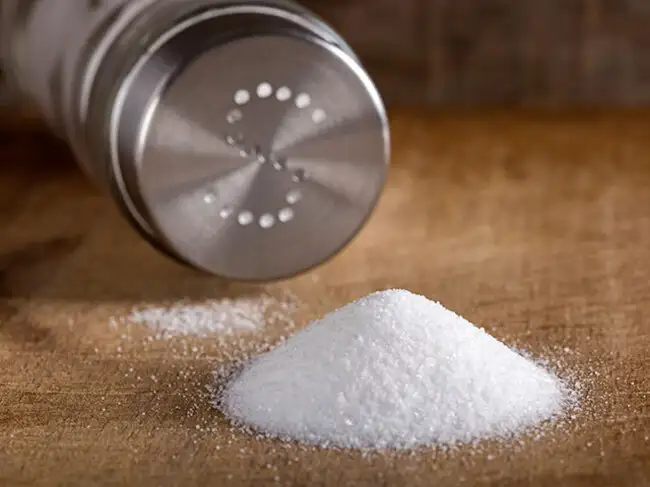
High blood pressure is no longer a disease of old age in India. Doctors are increasingly diagnosing hypertension in people in their 20s and 30s, a worrying trend that is silently pushing the country towards a public health crisis. What makes the situation even more alarming is that nearly half of those with high blood pressure are unaware of their condition, often discovering it only after a heart attack or stroke.
According to health experts, one of the biggest hidden culprits behind this rise is excessive salt consumption—much of it unnoticed.
How Much Salt Is Too Much?
The World Health Organization (WHO) recommends consuming no more than 5 grams of salt per day, roughly one teaspoon. However, studies show that most Indians consume 8 to 10 grams daily, nearly double the safe limit. The excess does not come only from salt added at the dining table but from processed foods, packaged snacks, pickles, papads, sauces, bakery items, and restaurant meals.
“People believe they eat ‘home food’ and assume it’s healthy, but traditional Indian cooking often uses far more salt than required,” says Dr Prashant Mishra, Senior Cardiac Surgeon at Thunga Group of Hospitals, Mumbai.
Why Excess Salt Is Dangerous
Salt contains sodium, which plays a key role in regulating fluids in the body. But when consumed in excess, sodium causes the body to retain water, increasing blood volume. This puts extra pressure on blood vessel walls, leading to hypertension.
Over time, uncontrolled high blood pressure damages arteries, making them stiff and narrow. This significantly raises the risk of:
Stroke
●Heart attack
●Kidney failure
●Vision loss
●Early heart disease
“Hypertension is often called a silent killer because it shows no symptoms until damage has already occurred,” Dr Mishra explains.
Young Indians at Growing Risk
Urban lifestyles are accelerating the problem. Long working hours, stress, lack of exercise, and a growing dependence on food delivery apps have changed eating habits dramatically. Even fitness-conscious individuals unknowingly consume excess sodium through protein supplements, energy drinks, and ‘healthy-looking’ packaged foods.
“What’s shocking is seeing patients in their late 20s with blood pressure readings we earlier saw only in people above 50,” says Dr Mishra.
Family history also plays a role, but lifestyle choices remain the biggest trigger.
Can High Blood Pressure Be Reversed?
The good news is that early-stage hypertension is reversible, especially among younger people.
Doctors recommend a combination of lifestyle changes:
◆Reduce salt intake gradually
◆Cook with natural herbs and spices instead of extra salt
◆Avoid packaged and ultra-processed foods
◆Eat more fruits, vegetables, and potassium-rich foods
◆Exercise for at least 30 minutes a day
◆Manage stress through yoga, meditation, or regular breaks
◆Get blood pressure checked at least once a year
“Small changes sustained over time can dramatically reduce blood pressure and stroke risk,” Dr Mishra says.
Awareness Is the Real Medicine
India’s biggest challenge is not treatment—but awareness. Many people don’t read food labels or realise that items like bread, biscuits, breakfast cereals, and sauces contain high sodium levels.
Health experts stress the need for regular screening, especially for young professionals, and stronger public awareness campaigns on salt consumption.
As India battles rising lifestyle diseases, cutting down on salt may be one of the simplest — yet most powerful — steps towards protecting heart health and preventing early strokes.