
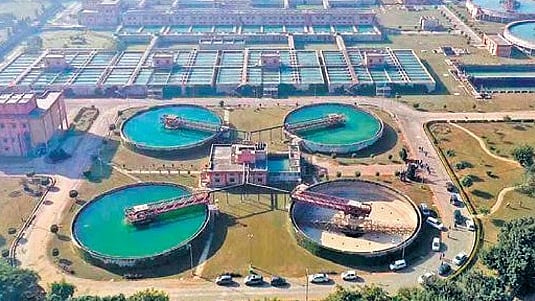
The Delhi government is set to commission a new 105 million gallon per day (MGD) water treatment plant at Chandrawal in 2026, a move expected to significantly improve drinking water availability and quality across several parts of the national capital. Chief Minister Rekha Gupta made the announcement while chairing a high-level review meeting of the Delhi Jal Board (DJB) to assess preparedness ahead of the upcoming summer season.
The Chandrawal project, originally approved in 2012, has faced prolonged delays over the past decade due to administrative, technical and execution-related challenges. With water demand in Delhi rising steadily due to population growth and urban expansion, the government has now prioritised the completion of the long-stalled project.
Focus on Water Quality and Reliability
Addressing officials during the meeting, the Chief Minister said the new water treatment plant would play a crucial role in improving both the quality and reliability of drinking water supplied to residents.
“Once commissioned, the Chandrawal water treatment plant will significantly strengthen Delhi’s water infrastructure and help ensure safer and more dependable drinking water,” she said.
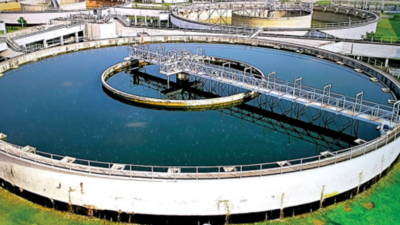
Officials said the plant has been designed to treat raw water more efficiently using modern purification systems, helping reduce contamination risks and distribution disruptions during peak summer months.
Large Coverage Area, Major Population Impact
According to the Delhi government, the Chandrawal plant will serve an area of approximately 92 square kilometres, covering around 6.2% of Delhi’s total geographical area. The project is expected to directly benefit nearly 11% of the city’s population, particularly residents in water-stressed zones that face frequent supply fluctuations.
Senior DJB officials noted that the new facility would also help balance the load on existing water treatment plants, many of which operate under pressure during high-demand periods.
Summer Preparedness Under Review
The review meeting focused on ensuring adequate water availability during summer, when consumption spikes and supply challenges intensify. The Chief Minister instructed the DJB to improve operational efficiency, minimise leakage losses and strengthen monitoring systems until the new plant becomes operational.
She also emphasised coordination between departments to avoid delays in infrastructure upgrades related to pipelines, pumping stations and distribution networks linked to the Chandrawal project.
Ending Years of Delay
Officials acknowledged that the project’s delay had impacted Delhi’s long-term water planning. With renewed political focus and tighter timelines, the government aims to ensure that no further hurdles stall its completion.
“The objective is clear — timely delivery and tangible improvement in water supply,” an official said, adding that regular progress reviews will now be conducted.
A Step Toward Water Security
With climate variability, rising demand and ageing infrastructure posing ongoing challenges, the Chandrawal water treatment plant is being viewed as a critical step toward strengthening Delhi’s water security.
Once operational in 2026, the facility is expected to ease pressure on existing systems, improve water quality standards and offer lasting relief to lakhs of residents across the capital.