
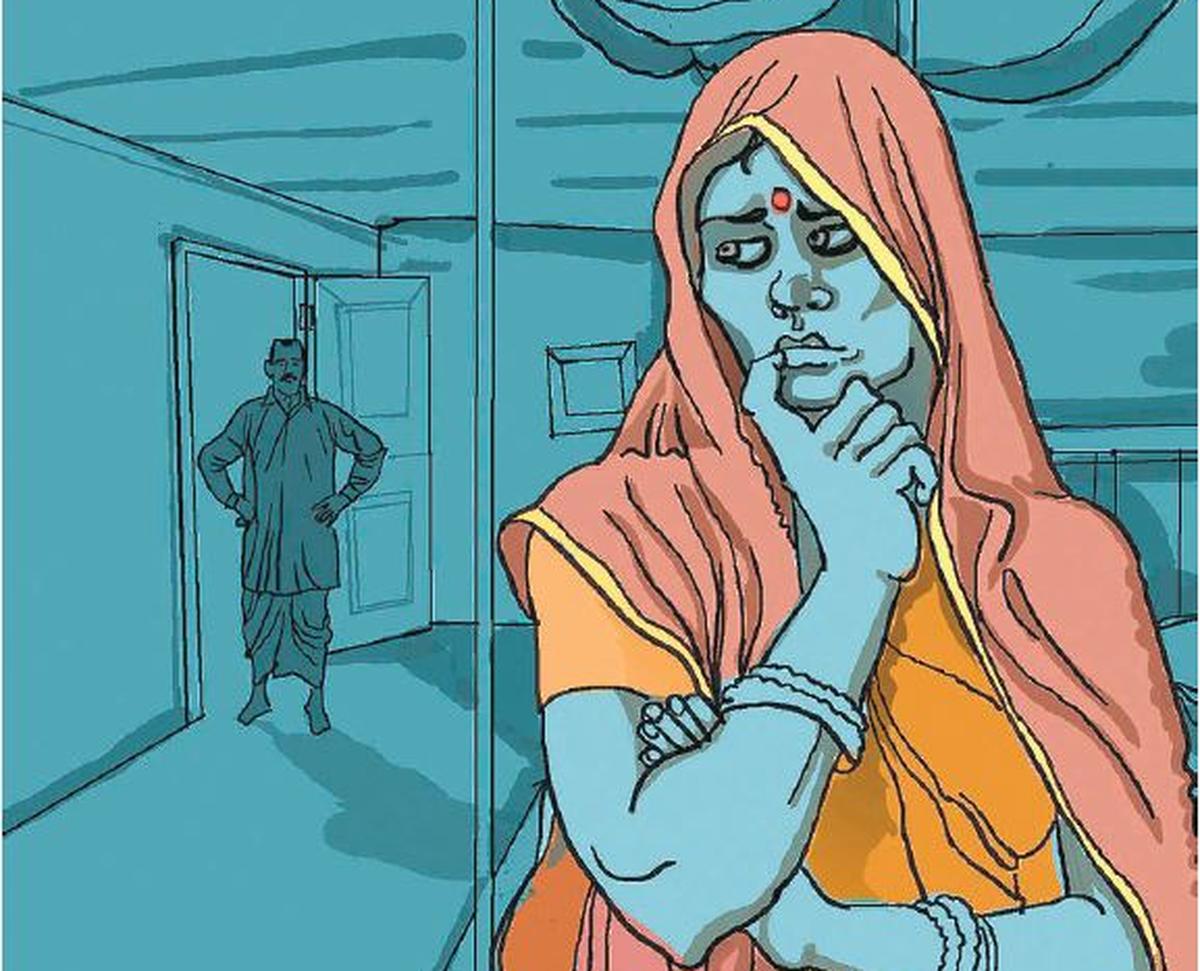
In a significant and sensitive ruling, the Delhi High Court has made it clear that marrying a survivor does not nullify allegations of rape, reinforcing a critical legal principle that justice cannot be compromised through personal arrangements or social pressure.
The observation comes amid growing concerns over attempts to “settle” serious criminal cases like rape through marriage, a practice courts have repeatedly discouraged.
The Case: Marriage Used as a Defence
The case before the court involved an accused who argued that since he had married the survivor, the rape charges against him should no longer stand. Such arguments have surfaced in multiple cases across India, where accused individuals attempt to use marriage as a shield against prosecution.
However, the court firmly rejected this reasoning.
The bench observed that rape is a serious criminal offence against an individual and society, and cannot be treated as a private dispute that can be resolved through marriage or compromise.
Court’s Observation: Crime Cannot Be ‘Settled’
In its strong remarks, the court emphasized:
●Marriage does not erase the nature of the offence
●Consent obtained under pressure or circumstances cannot justify past actions
●Criminal law must take its own course, regardless of personal arrangements
The court reiterated that allowing such settlements would send a dangerous message and could lead to misuse, where survivors are pressured into marriage to protect the accused.
Why This Judgment Matters
This ruling is important in the broader context of women’s rights and criminal justice in India.
For years, courts and activists have raised concerns about:
●Survivors being coerced into marriage with accused persons
●Social stigma forcing compromises in serious cases
●Legal loopholes being exploited to escape punishment
By rejecting marriage as a defence, the court has strengthened the principle that justice must remain independent of social or familial pressures.
A Step Toward Survivor-Centric Justice
Legal experts say the judgment aligns with a progressive shift in Indian jurisprudence—one that places the dignity and autonomy of survivors at the centre.
The ruling reinforces that:
●Survivors’ rights cannot be negotiated
●Criminal accountability cannot be diluted
●Courts will prioritize justice over informal settlements

The Larger Message
The Delhi High Court’s decision sends a clear and powerful message:
Marriage is not a remedy for a crime.
In a society where victims often face immense pressure to “compromise,” this judgment acts as a safeguard—ensuring that serious offences are treated with the gravity they deserve.
At a time when debates around consent, justice, and accountability are intensifying, this ruling stands as a reaffirmation of core legal values.
The message is unmistakable:
No relationship, agreement, or compromise can override the law when it comes to crimes like rape.