

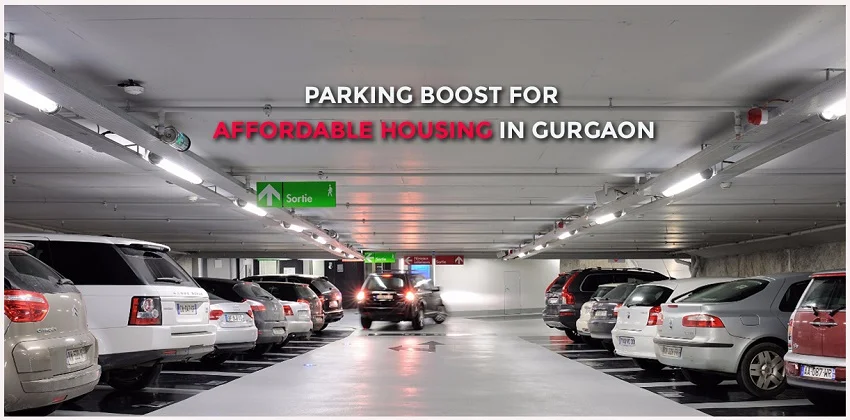
In a significant move aimed at resolving long-standing disputes in residential societies, the Haryana government has amended its affordable housing policy to make car parking mandatory in new housing projects. The decision is expected to bring relief to thousands of flat owners who have been facing conflicts over parking rights for years.
The revised guidelines have been issued by the Town and Country Planning Department under the direction of Additional Chief Secretary Anurag Agarwal, following complaints raised before Chief Minister Nayab Singh Saini.
Why This Change Was Needed
The original affordable housing policy, introduced in 2013, only required two-wheeler (motorcycle) parking provisions. However, with rising car ownership in urban areas like Gurugram, this outdated provision led to serious problems:
●Residents were often denied entry of cars into societies
●Builders cited policy limitations to avoid providing parking
●Frequent clashes occurred between RWAs, residents, and maintenance agencies
●Several societies—including projects in Sectors 36A, 70A, and 84—witnessed repeated disputes over parking access, highlighting the urgent need for reform.
What the New Rules Say
Under the revised policy:
●One car parking space per flat is now mandatory in new affordable housing projects
●Flat buyers will need to pay an additional 10% of the flat cost for this provision
●For under-construction or newly approved projects, developers must obtain consent from two-thirds of allottees
●The rule will not apply to projects that already have occupancy certificates
This ensures that future housing developments are better aligned with real urban needs.
Impact on Property Prices
The policy revision will also lead to an increase in housing costs. Authorities have updated pricing guidelines:
●Gurugram: Rs 5,575 per sq ft
●Sohna & Faridabad: Rs 5,450 per sq ft
●Other cities: Rs 5,050 per sq ft
Additionally:
●Balcony charges fixed at Rs 1,300 per sq ft
●Maximum balcony size capped at 100 sq ft (Rs 1.3 lakh extra)
While this may increase upfront costs, officials argue it will enhance livability and reduce future disputes.
Relief for Homebuyers, Clarity for Builders
The move is being seen as a win-win reform:
●Homebuyers get clarity and guaranteed parking space
●Builders get clear guidelines, reducing legal disputes
●RWAs can avoid frequent conflicts within societies
Importantly, the policy also includes provisions for refunds of application money if applicants choose not to proceed under revised pricing.
This policy change reflects a broader shift in urban planning—moving from basic housing provision to quality living standards.
In fast-growing cities like Gurugram:
●Car ownership is rising rapidly
●Space management is becoming critical
●Infrastructure must evolve with lifestyle changes
By making car parking mandatory, the government is addressing a real urban pain point that affects daily life in residential societies.