
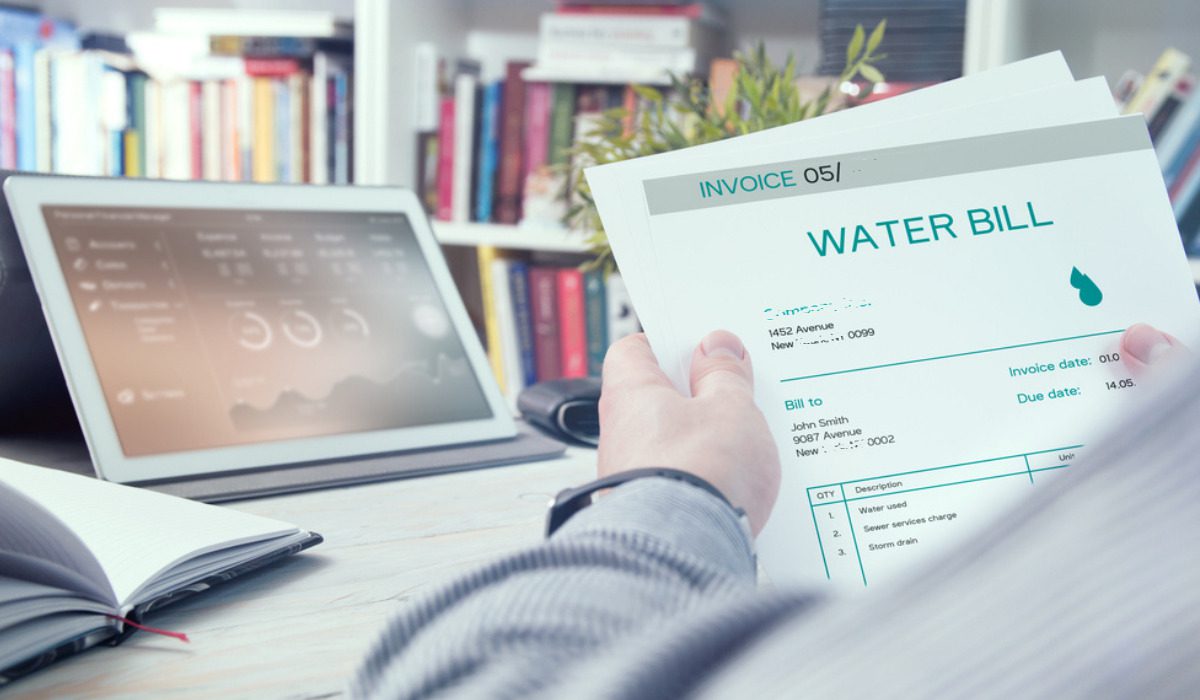
Facing growing complaints from residents over unusually high water bills, the Municipal Corporation of Gurugram (MCG) has initiated steps to verify actual water supply to households. Officials said the move aims to improve billing accuracy and address discrepancies between consumption and charges.
Several residents have alleged that their bills do not reflect real usage, placing an unfair financial burden on households
.
Data Collection Begins to Track Supply Chain
To resolve the issue, MCG has started collecting detailed data on water supplied to the city. This includes information from the Gurugram Metropolitan Development Authority (GMDA) and the irrigation department, which manage major water sources.
Officials said tracking water flow from supply points to end users will help identify losses, leakages, or mismatches that may be causing billing anomalies.
Residents Say Bills Don’t Match Consumption
Many housing societies claim that water charges have risen sharply despite no corresponding increase in usage.
“Several households in our township are paying high water bills that do not match their actual consumption. If implemented well, this can bring much-needed accuracy to the billing system,” a resident representative said.
Such complaints have been reported across multiple sectors, prompting authorities to review the billing mechanism.
Push for Transparent and Accurate Billing
Civic officials indicated that the exercise is part of a broader effort to modernise water management, improve transparency, and ensure fair charges.
By comparing supply data with billed consumption, the corporation hopes to detect technical issues such as faulty meters, pipeline losses, or incorrect billing calculations.
Toward Better Water Governance
Gurugram’s rapid urban growth has placed increasing pressure on water infrastructure. Authorities believe that a data-driven monitoring system will help optimise distribution, reduce wastage, and restore public trust.
If implemented effectively, the initiative could lead to more accurate billing, improved service delivery, and better management of the city’s limited water resources.