
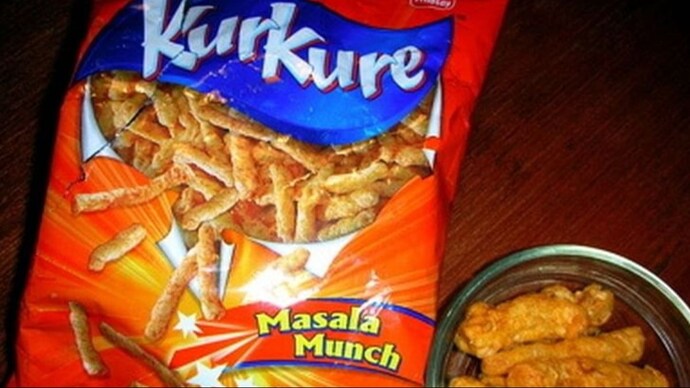
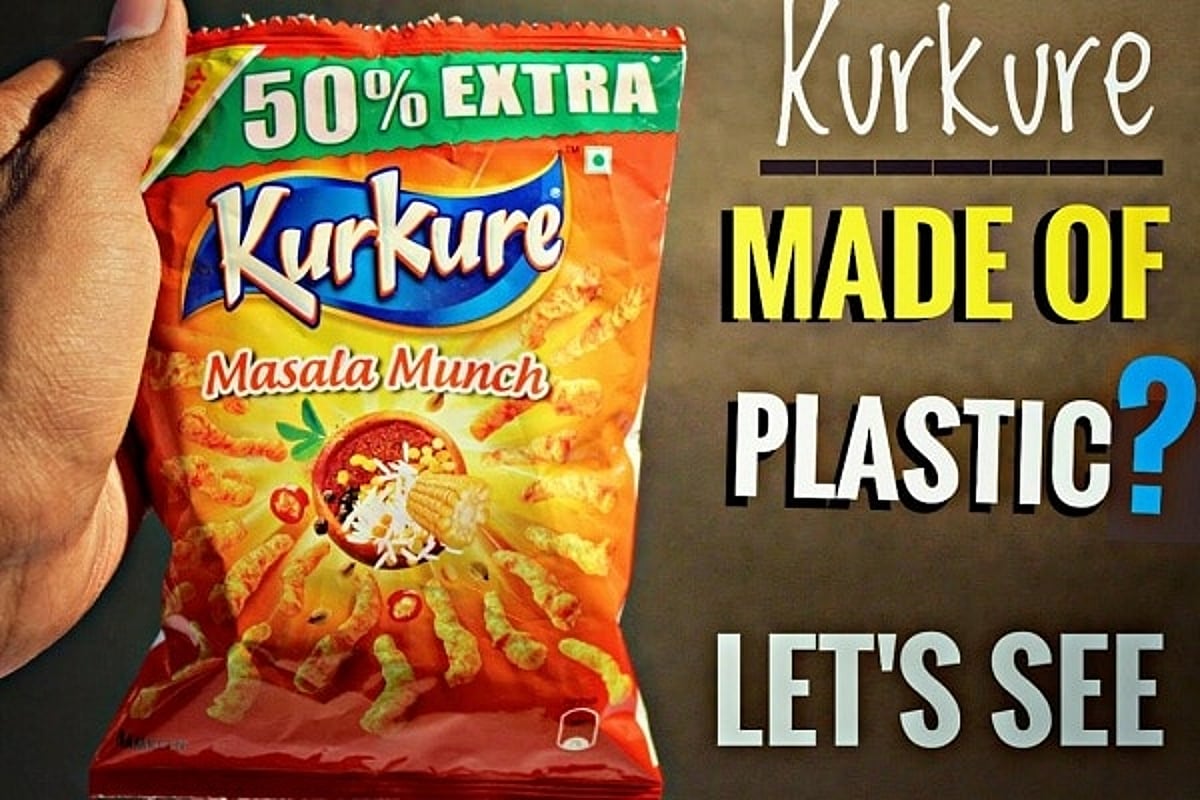
A viral social media post has reignited concerns over the safety of popular snack Kurkure, especially among children. The post strongly claims that the product is “extremely unhealthy” and can negatively impact both mental and physical development. It also appeals to the Food Safety and Standards Authority of India to take strict action and verify its safety before allowing it in the market.
The language of the post, which even describes the snack as “poison,” has quickly caught public attention, particularly among parents who are increasingly worried about what their children consume daily.
Understanding the Reality Behind Packaged Snacks
Despite the strong claims circulating online, health experts say the issue is more nuanced. Kurkure, like many packaged snacks, falls under the category of ultra-processed foods. These products are typically high in salt, refined ingredients, and additives designed to enhance taste and shelf life.
Experts clarify that such snacks are not inherently toxic or poisonous. However, frequent consumption—especially by children—can gradually lead to poor dietary habits. Over time, this may contribute to issues like nutritional deficiencies, weight gain, and reduced intake of essential vitamins and minerals.
The concern, therefore, is not about immediate danger but about long-term lifestyle patterns.
Regulatory Oversight and Safety Standards
In India, the Food Safety and Standards Authority of India is responsible for ensuring that packaged food products meet safety and quality standards. Products like Kurkure undergo regulatory checks related to ingredients, manufacturing processes, and labeling.
As of now, there is no official statement or scientific evidence declaring Kurkure unsafe for consumption. The product continues to be legally sold under existing food safety regulations.
Why Children Become the Focus of Concern
The debate intensifies when it comes to children, primarily because they tend to consume such snacks more frequently. Attractive packaging, strong flavors, and easy availability make these products highly appealing to younger age groups.
When such snacks replace balanced home-cooked meals, it can impact a child’s overall nutrition. Over time, this shift in eating habits—not the snack itself—becomes the real issue affecting growth and development.
Between Fear and Facts: What Should Parents Do
The viral post reflects genuine concern but leans toward exaggeration. Experts emphasize that moderation is key. Occasional consumption of snacks like Kurkure is generally considered safe, but excessive intake should be avoided.
Parents are encouraged to focus on building balanced diets at home, ensuring children consume fresh, nutritious food while treating packaged snacks as occasional indulgences rather than daily staples.
The controversy surrounding Kurkure highlights a broader issue—India’s growing dependence on processed foods, especially among children. While the viral claim may overstate the risk, it brings attention to an important reality: dietary habits are changing rapidly, and awareness is more important than panic.
The real takeaway is simple—not everything popular is harmful, but not everything convenient is healthy either.