
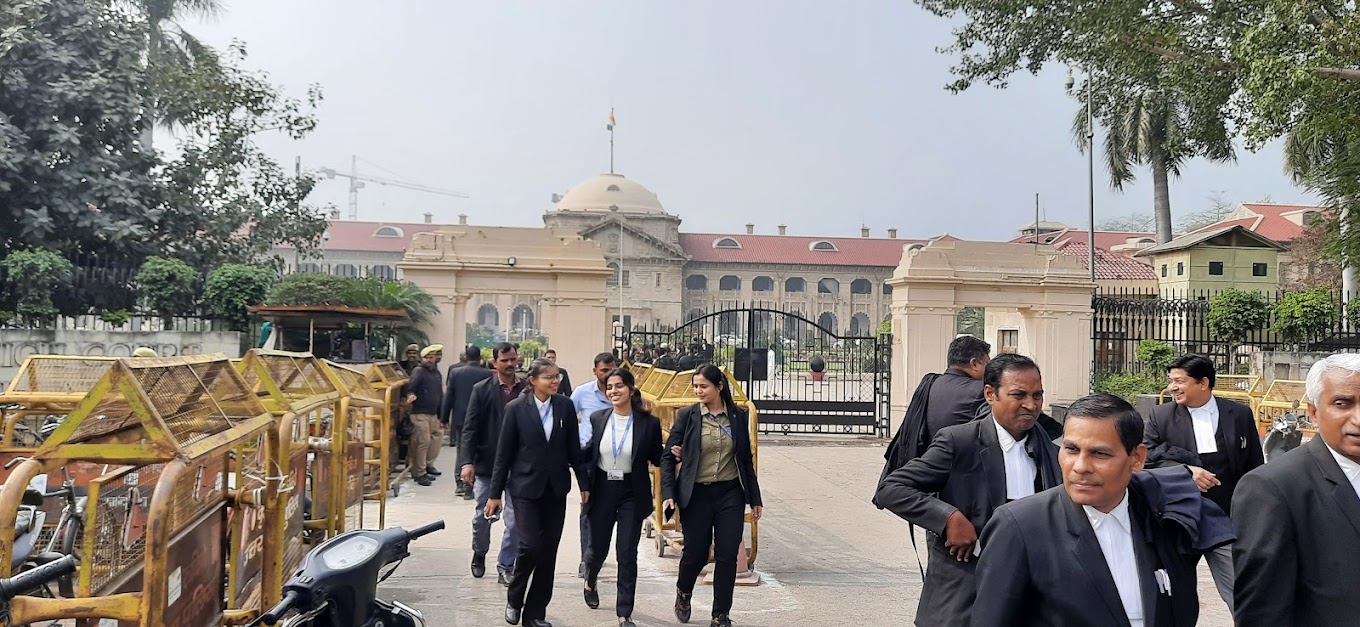
The Allahabad High Court strongly criticised the local administration in Sambhal over restrictions imposed on offering namaz during Ramadan, stating that limiting the number of worshippers inside a mosque is not justified.
During the hearing, the court made a sharp observation, saying that if district officials feel unable to maintain law and order, they should either resign from their posts or seek a transfer.
The case was heard by a division bench comprising Justice Atul Sreedharan and Justice Siddharth Nandan.
Court Questions Restrictions on Worship
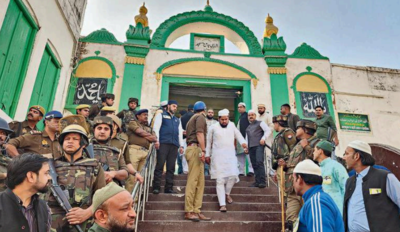
The controversy began after the local administration allegedly limited the number of worshippers allowed to offer prayers in a mosque during Ramadan due to concerns over law and order.
During the hearing, the court remarked that restricting the number of worshippers inside a mosque cannot be justified.
The bench said that if officials believe they cannot manage the situation without imposing such restrictions, they should consider stepping down or transferring themselves from the district.
“State Must Ensure Rule of Law”
The High Court emphasised that it is the responsibility of the state government to ensure law and order so that citizens can practise their religion peacefully.
The judges observed that every community has the constitutional right to worship at designated places without unnecessary interference, provided the activity takes place on private property or within the permitted religious premises.
The court also noted that government intervention becomes necessary only when religious activities extend onto public land or affect public spaces.
Next Hearing Scheduled for March 16
During the hearing, the state government sought additional time to present its position and instructions regarding the matter.
The petitioner is also expected to file a supplementary affidavit, which may include photographs and revenue records showing the exact location where prayers are being offered.
Accepting the request, the court scheduled the next hearing for March 16.
The case continues to draw attention as it involves questions related to religious freedom, administrative authority, and the responsibility of the state to maintain law and order.