
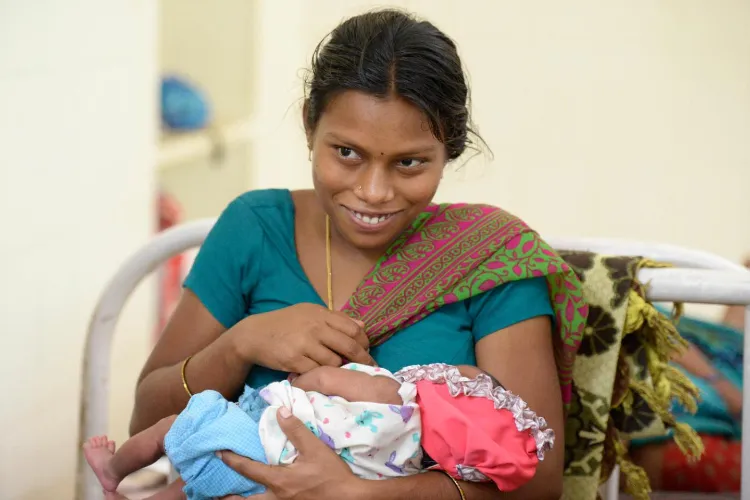
A shocking scientific revelation has triggered nationwide concern—breast milk samples from six districts in Bihar have been found contaminated with uranium, posing a potential health threat to nearly 70% of newborns and infants dependent on breastfeeding.
The joint study, conducted by a team of scientists, collected 40 breast milk samples from mothers aged 17 to 35 years across Patna, Gaya, Nalanda, Bhojpur, Buxar, and Rohtas. The findings revealed uranium traces in multiple samples—an unprecedented discovery in India that raises serious questions about groundwater safety and infant health.
Researchers believe the contamination may be linked to uranium present in drinking water consumed by lactating mothers. Alarmingly, earlier reports indicated that 1.7% of India’s groundwater contains uranium levels above permissible limits—but the problem appears more severe in parts of Bihar, where uranium concentration has exceeded WHO’s safety guidelines.
How Big Is the Risk?
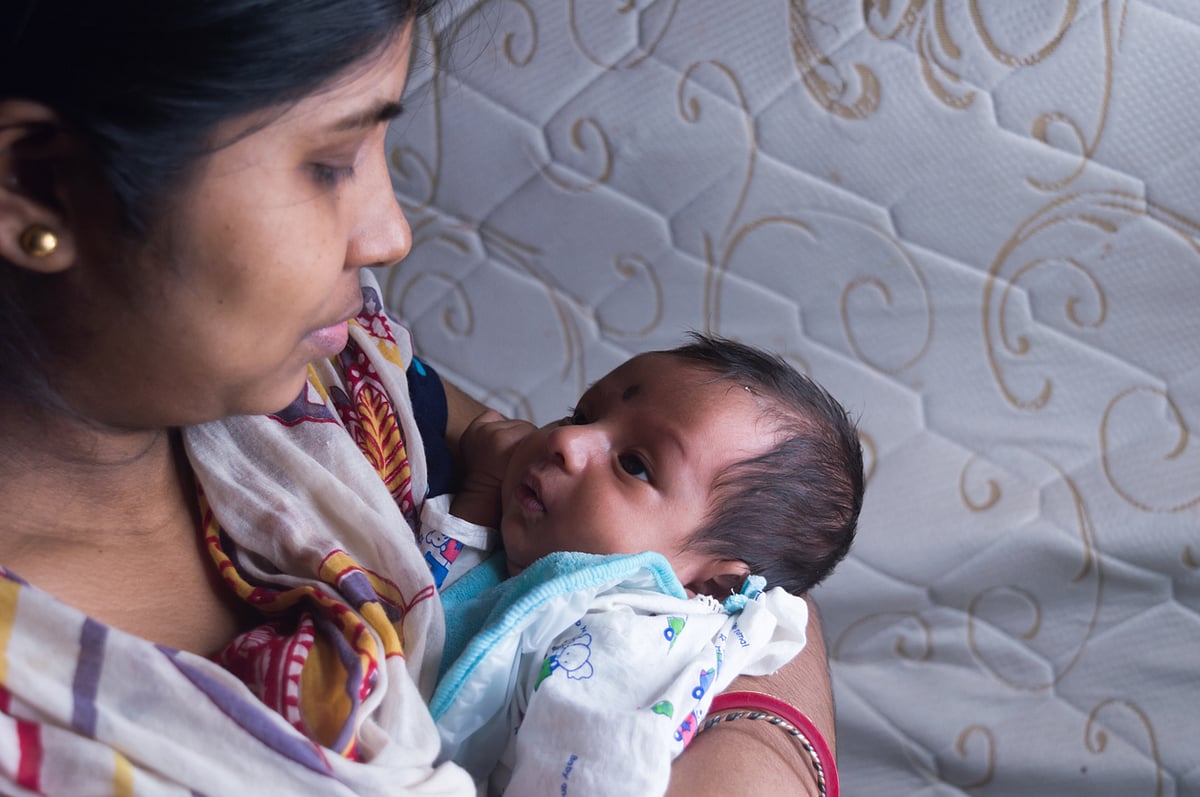
Experts warn that uranium exposure is known to affect the kidneys, bones, and nervous system. For infants—whose organs are still developing—the danger could be significantly higher. Long-term exposure may increase the risk of renal disorders, developmental delays, and other chronic health issues.
The study suggests that contamination may not be limited to Bihar alone. Similar cases have been reported in Punjab, Haryana, Rajasthan, and parts of South India—indicating a wider groundwater crisis that could silently impact millions.
Why Is Breast Milk Contaminated?
Scientists explain that uranium ingested through drinking water can enter the bloodstream, eventually finding its way into breast milk. This makes the issue both a water safety crisis and a maternal health challenge.
Despite the alarming findings, experts urge calm—not panic. They recommend:
● Ensuring access to safe, tested drinking water
● Regular groundwater monitoring
● Awareness campaigns in high-risk regions
● Medical check-ups for affected mothers and infants
A Call for Immediate Action
Health specialists emphasize that the government must prioritize clean drinking water access, especially for pregnant and lactating women. The findings have also reignited debate around rural water management and the urgent need for advanced filtration systems.
The discovery stands as a wake-up call—India’s fight against malnutrition and infant mortality cannot be won without ensuring safe water, safe food, and safe motherhood.