
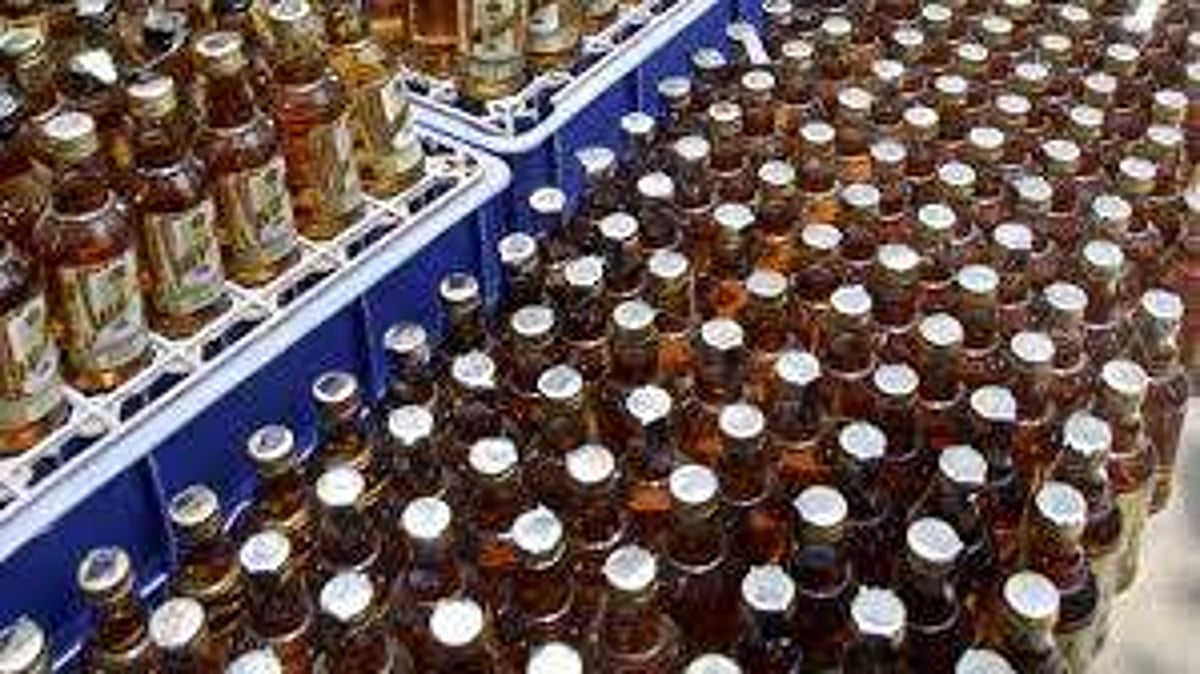
In a move aimed at tightening quality control, the Delhi Excise Department has made it compulsory for all wholesale licence holders to submit samples of every registered Indian Made Foreign Liquor (IMFL) brand for regular testing.
The directive applies across New Delhi and requires quarterly submission of samples to government laboratories, marking a stricter regulatory push to safeguard consumer interests.
Quarterly Testing Now Mandatory
Under the new order, all L-1 licence holders must submit samples of each approved liquor brand every quarter to the excise control laboratory. These samples will undergo detailed quality checks to ensure they meet prescribed safety and consistency standards.
Officials have clearly warned that failure to comply with this directive could invite strict action, signalling zero tolerance for lapses in quality control.
Extensive Monitoring Already in Place
According to official data, Delhi had around 1,579 registered liquor brands in 2024–25. A total of over 24,000 samples were tested during the year, indicating that multiple rounds of checks are already being conducted.
The new rule aims to further strengthen this monitoring system by making periodic testing mandatory rather than procedural.
Focus on Consumer Safety and Standardisation
Authorities say the move is designed to prevent the supply of substandard or adulterated liquor in the market. By enforcing regular testing, the government aims to ensure that all approved brands maintain uniform quality across batches.
This is especially important in a large urban market like Delhi, where demand for IMFL is high and supply chains are extensive.
Policy Background and Context
Delhi is currently operating under the excise policy 2020–21, which has been extended until March 2027. The decision to tighten quality checks comes amid increased scrutiny of the liquor sector following controversies around earlier policy implementations.
Recent observations by oversight bodies have also highlighted financial losses and irregularities linked to previous excise frameworks, prompting authorities to adopt stricter compliance measures.
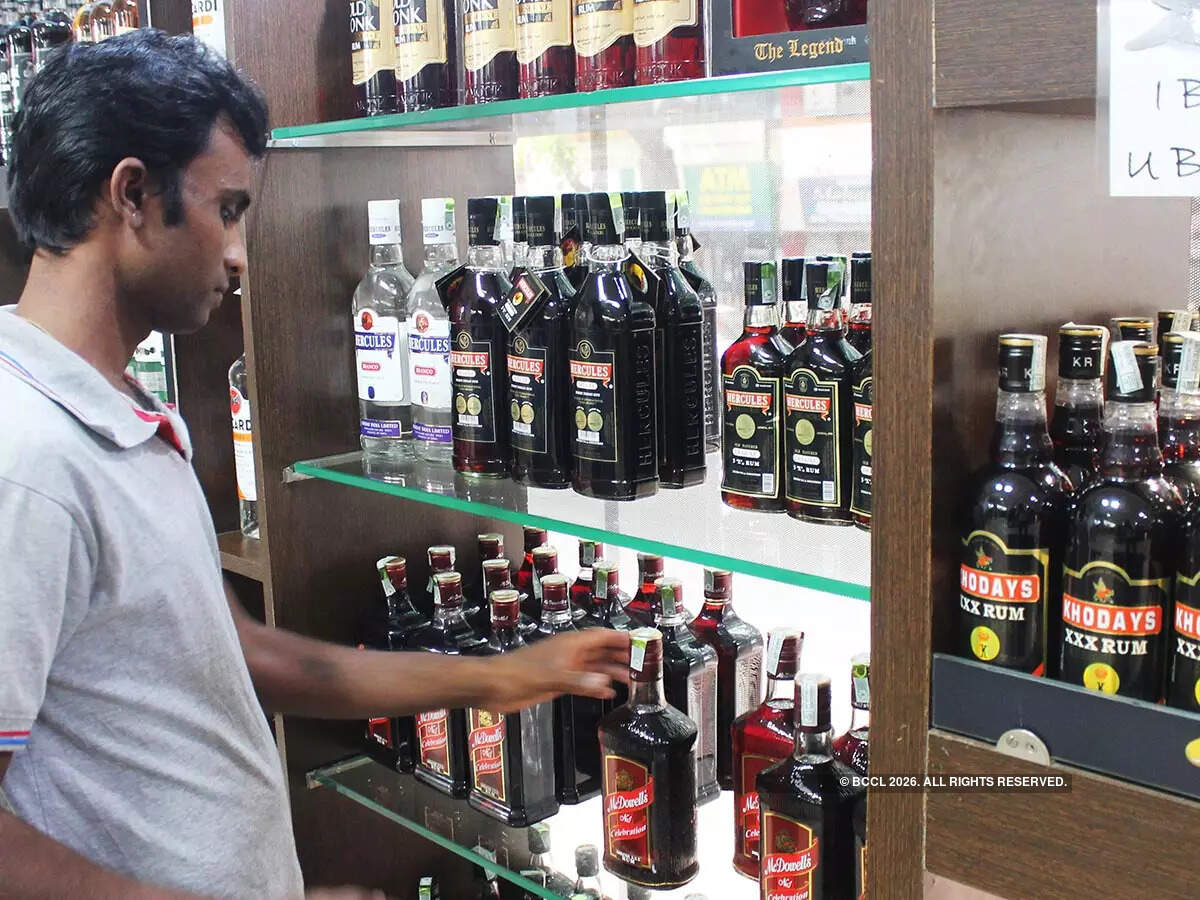
Stronger Regulation, Higher Accountability
The mandatory testing rule reflects a broader shift toward stricter governance in Delhi’s liquor trade. By increasing accountability for wholesalers and enforcing regular quality checks, the government is aiming to restore confidence in the system while protecting consumers.