
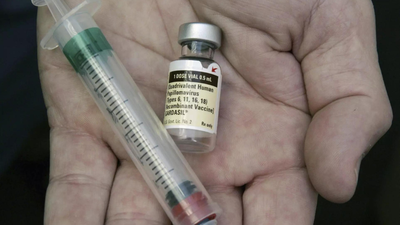
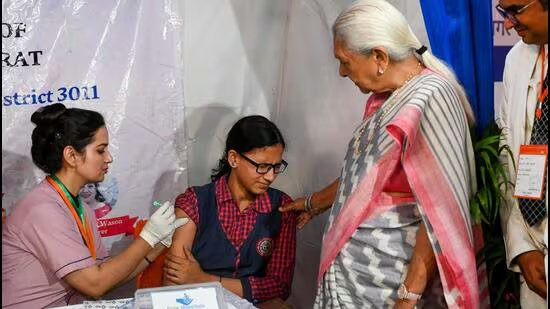
In a significant move toward preventive healthcare, hospitals in Noida have launched a free HPV vaccination drive for teenage girls, aiming to reduce the risk of cervical cancer—one of the most common cancers affecting women in India.
The initiative, part of the government-backed ‘Swastha Nari’ programme, officially began with the first dose administered at the Post-Graduate Institute of Child Health (Child PGI) in Sector 30.
Health experts are calling this programme a game-changer in women’s healthcare, focusing on prevention rather than treatment.
Target Group: Early Protection for Maximum Impact
The vaccination drive is specifically designed for girls aged 14–15 years, a crucial age group where the HPV vaccine is most effective.
Medical experts emphasize that early vaccination can significantly reduce the risk of developing cervical cancer later in life.
At Child PGI, a dedicated vaccination clinic has been set up, and the service will be available daily, ensuring easy access for eligible beneficiaries.
Authorities confirmed that all vaccinations are being conducted under strict medical supervision, with post-vaccination observation to ensure safety and monitor any immediate reactions.
Why HPV Vaccination Matters
The HPV (Human Papillomavirus) vaccine is globally recognized as one of the most effective tools to prevent cervical cancer.
In India, cervical cancer remains a major health concern due to:
●Low awareness
●Limited screening
●Delayed diagnosis
Experts believe that large-scale vaccination programmes like this can dramatically reduce future cancer cases.
“This programme reflects our commitment to public health and prevention. Our goal is to ensure every eligible girl receives timely vaccination,” said Dr AK Singh, director of Child PGI.
A Preventive Healthcare Shift in India
The launch of this drive signals a broader shift in India’s healthcare strategy—from reactive treatment to preventive care.
Key benefits expected from the initiative:
Reduction in long-term healthcare costs
Lower cancer incidence rates
Improved women’s health outcomes
Increased awareness about vaccination
Public health experts suggest that such programmes, if scaled nationwide, could significantly reduce the burden of cervical cancer in the coming decade.
Beyond Teens: Focus on Adult Immunisation
Alongside the HPV drive, the Government Institute of Medical Sciences (GIMS) has intensified its push toward adult immunisation, highlighting a critical but often overlooked gap in healthcare.
Doctors warn that immunity from childhood vaccines can decline over time, making adults vulnerable to infections.
To address this, GIMS has:
●Issued public health advisories
●Expanded vaccination awareness campaigns
●Strengthened immunisation services for all age groups
Vaccines recommended include:
●HPV
●Influenza
●Hepatitis A & B
●Tdap
Access and Affordability: A Key Focus
Immunisation services at GIMS are now available throughout the week, with a dedicated OPD operating daily from morning hours.
While vaccines under the government programme are provided free of cost, additional essential vaccines are available at subsidised rates (30–65% lower cost).
This dual approach ensures:
●Free access for essential vaccines
●Affordable access for optional but important immunisations
Challenges Ahead: Awareness Still Low
Despite the availability of vaccines, doctors highlight that low awareness and accessibility issues remain major barriers.
Many families are still unaware of:
●The importance of HPV vaccination
●The right age for vaccination
●Availability of free government programmes
Health officials believe that increasing awareness will be as important as providing vaccines.
A Step Toward Healthier Future
The HPV vaccination drive in Noida is more than just a medical initiative—it is a step toward empowering young girls with preventive healthcare.
By focusing on early intervention, the programme aims to reduce disease burden before it even begins.
As India continues to strengthen its healthcare infrastructure, such initiatives highlight a clear direction:
● Prevention is the future of healthcare
The launch of free HPV vaccination in Noida marks a crucial milestone in India’s fight against cervical cancer.
With structured implementation, medical supervision, and increasing awareness, this initiative has the potential to save thousands of lives in the future.
The success of this programme will depend not just on availability—but on participation, awareness, and trust in preventive healthcare.