
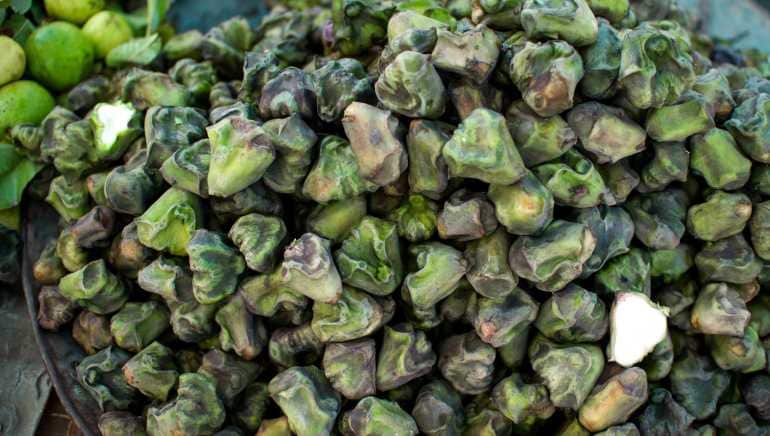
As people look for natural and seasonal foods to support weight loss, singhara (water chestnut) is emerging as a nutritious option worth adding to the diet. Commonly consumed during winter and fasting periods in India, singhara is low in calories, rich in fiber, and gentle on the stomach when eaten the right way.
Best Way to Eat Singhara for Weight Loss
For those aiming to shed extra kilos, boiled or roasted singhara is the best choice. These methods do not involve added oil or fat, helping keep calorie intake under control. Singhara provides a feeling of fullness, which can reduce unnecessary snacking and help manage portion sizes throughout the day.
Why Singhara Supports Weight Management
Singhara is naturally:
●Low in calories
●High in dietary fiber
●Easy to digest when cooked properly
●Its fiber content helps slow digestion, keeping hunger in check and supporting better gut health—both important for sustainable weight loss.
Are There Any Side Effects of Eating Singhara Daily?
Singhara is generally safe for most people when consumed in moderation. However, overconsumption may cause bloating or constipation due to its high fiber content. Individuals with sensitive digestion should begin with smaller portions and observe how their body responds. As with any healthy food, moderation is key.
FAQs
How much singhara should I eat for effective weight loss?
About 100–150 grams of boiled or roasted singhara per day is sufficient. It works best as a mid-meal snack or as part of a balanced diet.
What is singhara and is it good for weight loss?
Singhara, also known as water chestnut, is a winter vegetable grown in freshwater bodies. Its low calorie count and high fiber content make it a natural and effective food for weight management.
Singhara can be a simple, seasonal addition to a weight-loss-friendly diet when eaten in the right quantity and form. Combined with balanced meals and an active lifestyle, it can support healthy and sustainable weight loss.