

In a sweeping move that redefines border control and international travel protocols, the U.S. Department of Homeland Security (DHS) has announced a new regulation mandating biometric data collection for all non-citizens entering or exiting the United States.
The regulation — set to take effect on December 26, 2025 — will apply across airports, seaports, and land crossings, marking one of the most comprehensive surveillance expansions in recent American history.
Nationwide Biometric Border Surveillance
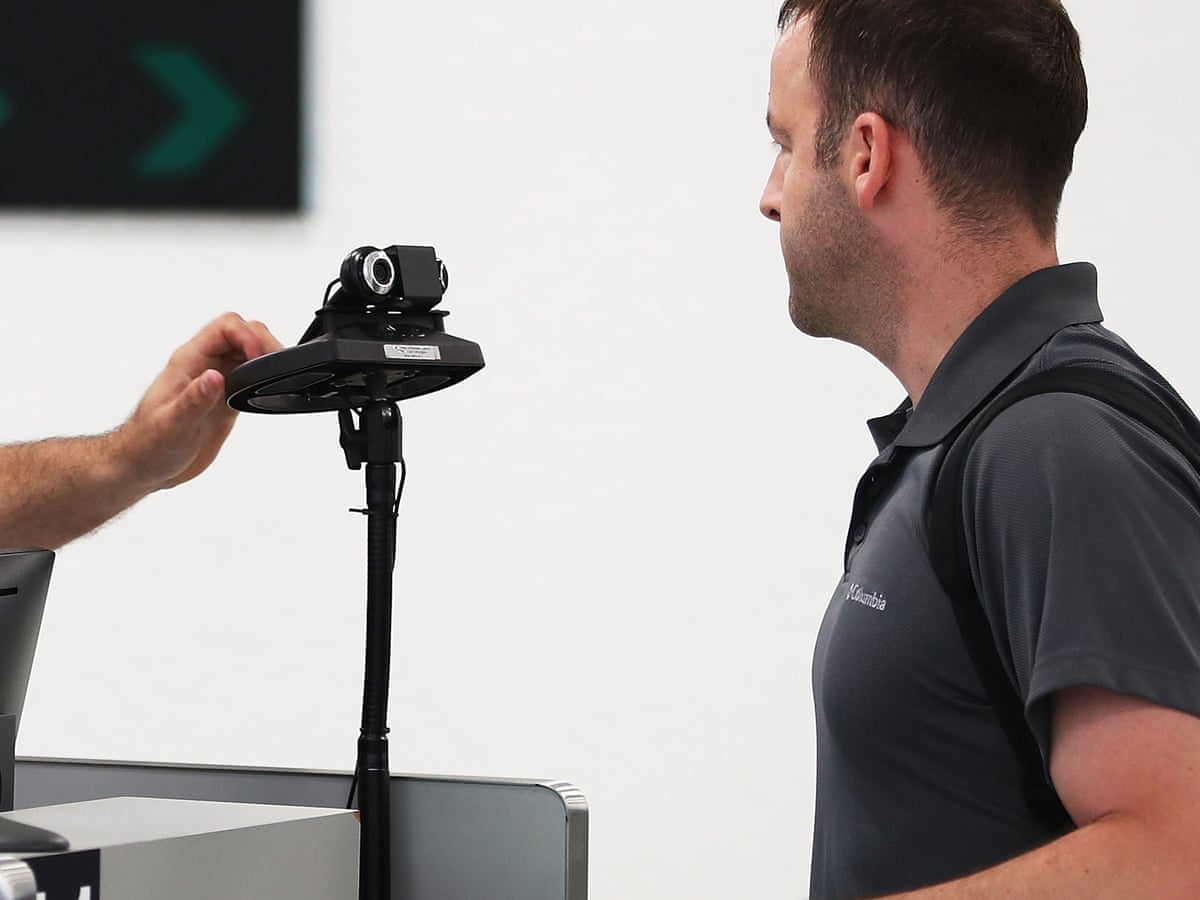
Under the new rule, foreign travelers will be required to provide biometric identifiers such as facial photographs, fingerprints, and possibly iris scans at both entry and exit points. DHS officials said the initiative is designed to enhance national security, prevent visa overstays, and identify criminals or suspected terrorists attempting to cross U.S. borders.
A DHS spokesperson stated, “The collection of biometric data is vital to protect the nation from emerging threats and ensure that immigration laws are effectively enforced.”
According to U.S. Customs and Border Protection (CBP), approximately 1 million individuals are processed daily at entry points — a number that underscores the scale of this technological overhaul.
Part of a Broader Immigration Strategy
The policy aligns with President Donald Trump’s 2025 immigration and national security agenda, which has increasingly emphasized border control and domestic safety.
Earlier this year, Trump signed the “Protecting the American People Against Invasion” executive order, requiring all non-citizens aged 14 and above who remain in the U.S. for more than 30 days to register with DHS and carry proof of registration.
In September 2025, the administration also announced a steep increase in H-1B visa fees, claiming that foreign work programs were being “abused to disadvantage American workers.” Additionally, National Guard deployments in major cities such as Portland and Chicago were authorized to support federal property protection and immigration enforcement operations.
Concerns Over Privacy and Travel Disruptions
While the DHS insists the new system will streamline border checks, experts and privacy advocates have voiced concern over its potential implications.
They warn that mandatory biometric collection could lead to longer processing times, data privacy risks, and increased scrutiny of students, tourists, and skilled professionals traveling to the U.S.
Critics argue that while the measure aims to enhance security, it could also discourage global travel and trade, especially for those wary of digital surveillance and government tracking systems.
The Bigger Picture
The new policy reflects a clear shift toward technology-driven border management, positioning the U.S. among a growing list of nations adopting biometric-based immigration systems.
However, as the regulation takes effect, its impact on international mobility, privacy rights, and global perception of U.S. openness will be closely watched by both allies and critics worldwide.