
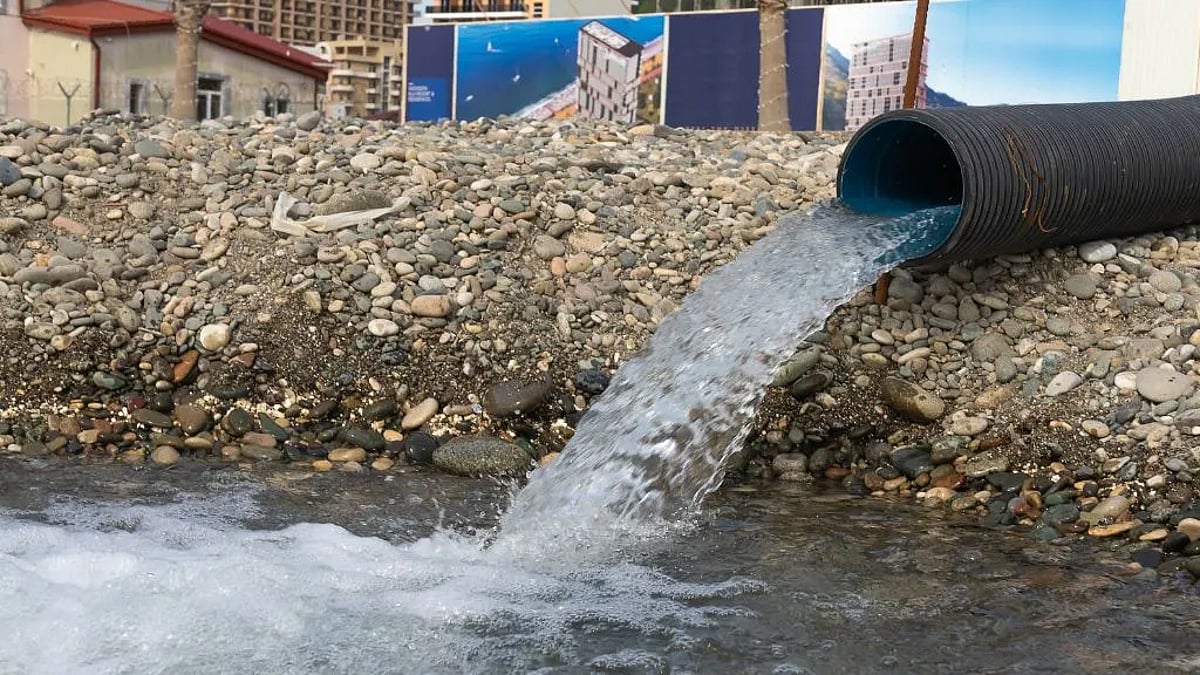
In a major step toward tackling river pollution, the Greater Noida Industrial Development Authority (GNIDA) has proposed setting up a sewage treatment plant (STP) on the Hawaliya drain — one of the largest sources of contamination flowing into the Hindon River.
The move comes after repeated warnings from the National Green Tribunal (NGT) and the Uttar Pradesh Pollution Control Board, which flagged the drain for carrying untreated domestic sewage and industrial effluents into the river system.
A Major Pollution Pipeline
Stretching nearly 13 kilometres from the Surajpur industrial area, the Hawaliya drain receives wastewater from dozens of sources before emptying into the Hindon, which ultimately merges with the Yamuna.
Officials revealed that the drain collects discharge from 33 outfalls, most of which release untreated or partially treated waste. This continuous inflow has severely degraded water quality and created environmental hazards downstream.
Recent tests show alarming pollution levels:
●Biochemical Oxygen Demand (BOD): 48 mg/litre (above permissible limit)
●Chemical Oxygen Demand (COD): 288 mg/litre
Continuous inflow of domestic sewage and industrial waste
Such high BOD levels indicate oxygen depletion in water bodies, which can kill aquatic life and damage ecosystems.
STP Plan to Restore Water Quality
Acting on tribunal directives, GNIDA has issued an Expression of Interest (EoI) to appoint an agency for designing and building the treatment facility at the drain’s confluence with the river.
The proposed STP aims to:
●Treat wastewater before it enters the Hindon
●Improve overall water quality
●Reduce flood risk caused by drain overload
●Restore ecological balance
●Enhance the visual and environmental condition of the area
Authorities said experts will soon conduct site inspections to determine the plant’s capacity and budget requirements.
Urbanisation Behind the Crisis
Officials acknowledged that rapid urban growth in Greater Noida has placed enormous pressure on drainage and sewage systems. The drain currently struggles to handle the volume of waste flowing into it, leading to backups, waterlogging, and foul odour in surrounding areas.
In addition to sewage, solid waste dumping and industrial discharge have worsened the situation, turning the drain into a major environmental concern.
A Long-Awaited Cleanup Effort
Environmentalists and residents have long demanded action to curb pollution in the Hindon, which serves as a crucial water body for the region. If implemented effectively, the STP could mark a turning point in restoring the river’s health.
Authorities say the project is part of a broader strategy to strengthen wastewater management and protect natural resources amid fast-paced urban expansion.