

A viral social media post by Vatsala Singh has ignited a fresh wave of concern over consumer safety and regulatory standards in India. The post, widely shared on X (formerly Twitter), questions whether multinational companies are following the same safety norms in India as they do in other countries.
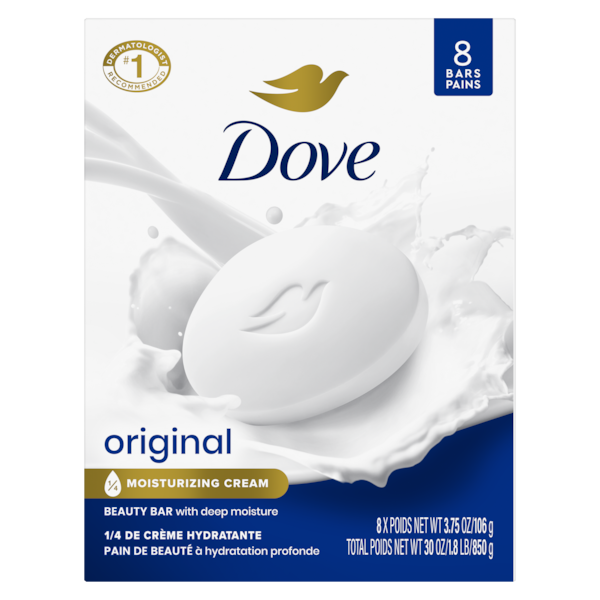
The issue centers around Dove soap and the alleged use of a chemical called Butylphenyl Methylpropional (BMHCA), also known as Lilial. According to the viral claim, this chemical may have harmful effects on the skin and reproductive system. The post further alleges that products containing this ingredient have already been banned in countries like Germany and Nigeria, raising questions about why such products are still available in India.
The Core Concern: Ingredient Safety
The chemical in question, BMHCA, has been under global scrutiny. Several international regulatory bodies, particularly in Europe, have restricted or phased out its use due to potential health risks. This has led to growing awareness among consumers about the ingredients present in everyday personal care products.
The viral post taps into this concern, suggesting that companies may be adopting different standards for different markets. While these claims are yet to be officially verified in the Indian context, they have struck a chord with users who are increasingly conscious about product safety.
Double Standards or Regulatory Gap?
The controversy has also revived a long-standing debate—are multinational companies maintaining uniform safety standards worldwide, or are developing markets more vulnerable to regulatory gaps?
India, with its massive consumer base, often sees a wide range of global products. However, regulatory approvals, bans, and compliance timelines differ from country to country. What may be restricted in Europe might still be under review or permitted in India, depending on local authorities.
Social Media Reaction Grows
The post quickly gained traction, with many users echoing similar concerns. Several questioned the transparency of ingredient disclosures, while others demanded stricter monitoring by regulatory bodies.
The conversation also extended beyond cosmetics, with references to past controversies involving medicines and food products, further amplifying public anxiety.
The Need for Clarity and Awareness
While the viral claims have not been officially confirmed in full context, the incident highlights an important issue—consumer awareness is rising, and people are demanding accountability.
Experts suggest that consumers should:
●Check ingredient labels carefully
●Follow updates from official health and regulatory authorities
●Avoid relying solely on viral posts without verification
At the same time, authorities and companies may need to communicate more transparently to maintain public trust.
Bigger Picture
This episode reflects a broader shift—digital platforms are now shaping conversations around health, safety, and corporate responsibility. Whether the claims are proven or not, the impact is clear: consumers are no longer passive. They are questioning, sharing, and influencing narratives at scale.