
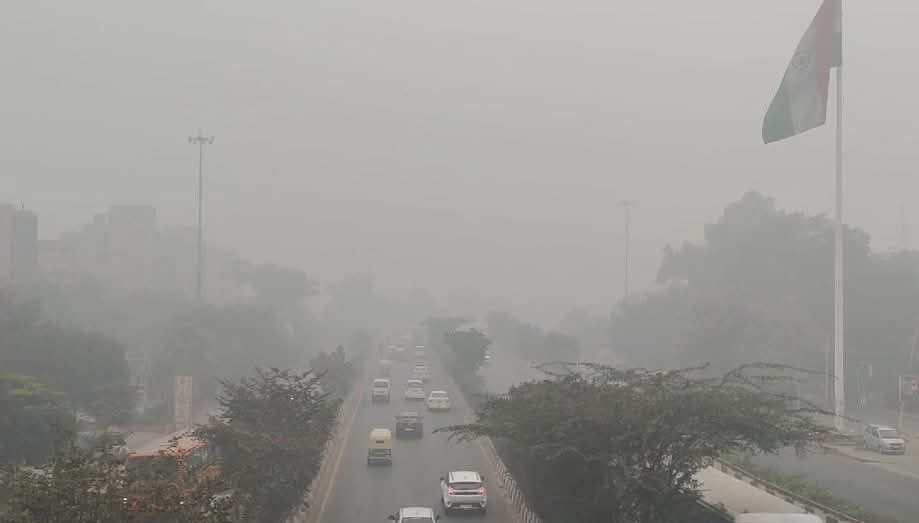
Air pollution in the national capital has once again reached critical levels, with the Air Quality Index (AQI) crossing 400 in several parts of Delhi, placing the entire city firmly in the red zone. All AQI monitoring stations have reported “severe” air quality, triggering serious health concerns for residents.
According to data from the Sameer app, pollution levels early Wednesday morning were alarmingly high. At around 6 am, Nehru Nagar recorded the highest AQI at 426, followed by Jahangirpuri at 419, RK Puram at 410, Dwarka Sector 8 at 409, and Siri Fort at 405. Air quality in these areas is classified as severe, posing a significant risk to public health.
Several Areas Report AQI Above 300
Many other parts of the city also recorded AQI levels between 300 and 400, indicating very poor to severe air quality. These include Anand Vihar (373), Ashok Vihar (369), Bawana (363), Burari Crossing (348), Chandni Chowk (398), Alipur (335), Ayanagar (310) and Karni Singh Shooting Range (394).
Key locations such as ITO (376), Jawaharlal Nehru Stadium (381), Punjabi Bagh (367), Patparganj (368), Vivek Vihar (371), Wazirpur (387) and Pusa (399) also reported dangerously high pollution levels.
Health Impact: Breathing Becomes a Challenge
With air quality deteriorating rapidly, residents across Delhi are experiencing eye irritation, breathing difficulties, headaches, and respiratory discomfort. Doctors have warned that prolonged exposure to such pollution levels can aggravate asthma, bronchitis, and other lung-related illnesses, especially among children, the elderly, and people with pre-existing health conditions.
All Monitoring Stations in Red Zone
Officials confirmed that every AQI monitoring station in Delhi is currently in the red zone, clearly indicating a citywide pollution emergency. Authorities say the situation is under continuous monitoring, but immediate relief appears unlikely.
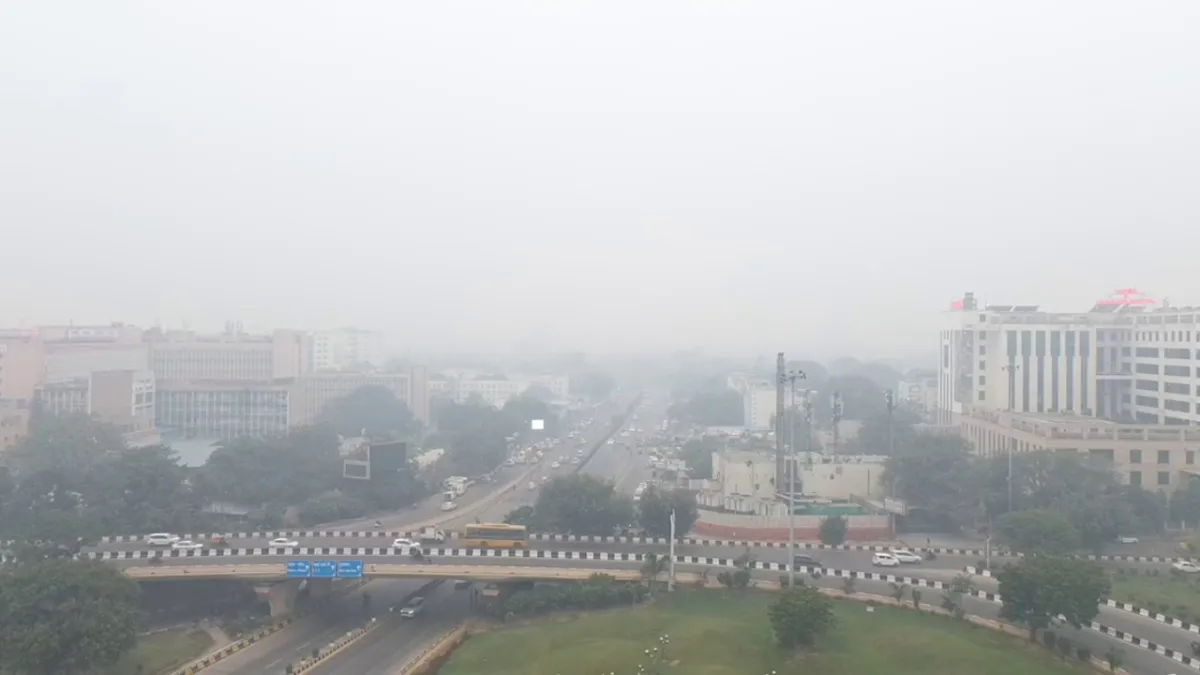
Orange Alert for Cold Wave and Dense Fog
Adding to the challenge, the India Meteorological Department (IMD) has issued an orange alert for dense fog and cold wave conditions in Delhi. The minimum temperature is expected to hover around 4°C, while the maximum may reach 20°C. Weather experts say fluctuating temperatures and calm wind conditions are worsening pollution levels by trapping pollutants close to the ground.
No Immediate Relief in Sight
Environmental experts warn that unless strong winds or rainfall occur, Delhi’s toxic air may persist for the next few days. Citizens have been advised to limit outdoor activities, wear masks, and follow health advisories until air quality improves.