

Using the same cooking oil every day may not be the healthiest choice, warn nutrition experts. According to senior dietitian Dr. Vasundhara from the Dietetics Department, no single oil is perfect for daily cooking, and regularly rotating cooking oils can significantly improve overall health.
Dr. Vasundhara explains that when families go grocery shopping every month, it is a good habit to switch the type of cooking oil instead of sticking to just one. Different oils contain different fatty acid profiles, and rotating them ensures the body receives a balanced mix of essential nutrients.
Use Different Oils for Different Foods
Nutritionists recommend using different oils for different dishes in daily meals. For example:
●Vegetables can be cooked in mustard oil
●Dal tempering can be done using soybean oil
This approach helps balance fat intake and prevents excess consumption of a single type of fatty acid.
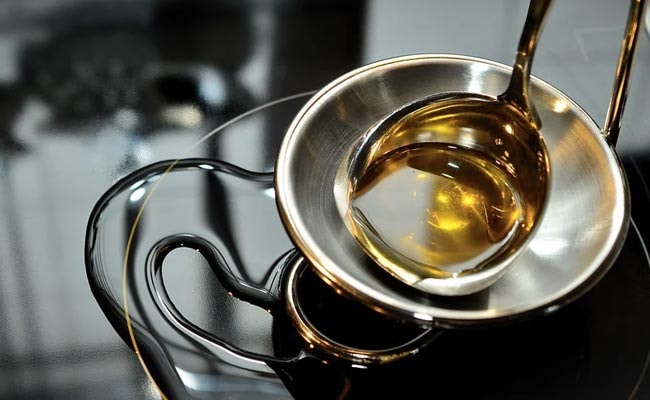
How Much Oil Is Enough?
For a healthy adult, 3–4 teaspoons (15–20 ml) of oil per day is considered sufficient, depending on physical activity levels. Overuse of oil can increase the risk of obesity, heart disease, and metabolic disorders.
Experts also strongly advise against reheating oil, as it leads to the formation of trans fats, which are harmful to heart health.
Omega-3 and Omega-6: The Healthy Fats
Omega-3 and Omega-6 are essential polyunsaturated fatty acids that play a crucial role in maintaining heart health.
Omega-3 is found in:
Soybean, canola, mustard oil
Flaxseeds, chia seeds, walnuts
Fish
It helps reduce triglyceride levels in the blood.
Omega-6, found in:
Sunflower, safflower, cottonseed oil
Corn oil, rice bran oil
Peanut and sesame oil
It helps lower bad LDL cholesterol when consumed in moderation.
A balanced diet is not just about what you eat, but how you cook your food. Rotating oils, using them in recommended quantities, and avoiding reheating can go a long way in protecting heart health and maintaining overall wellness.