
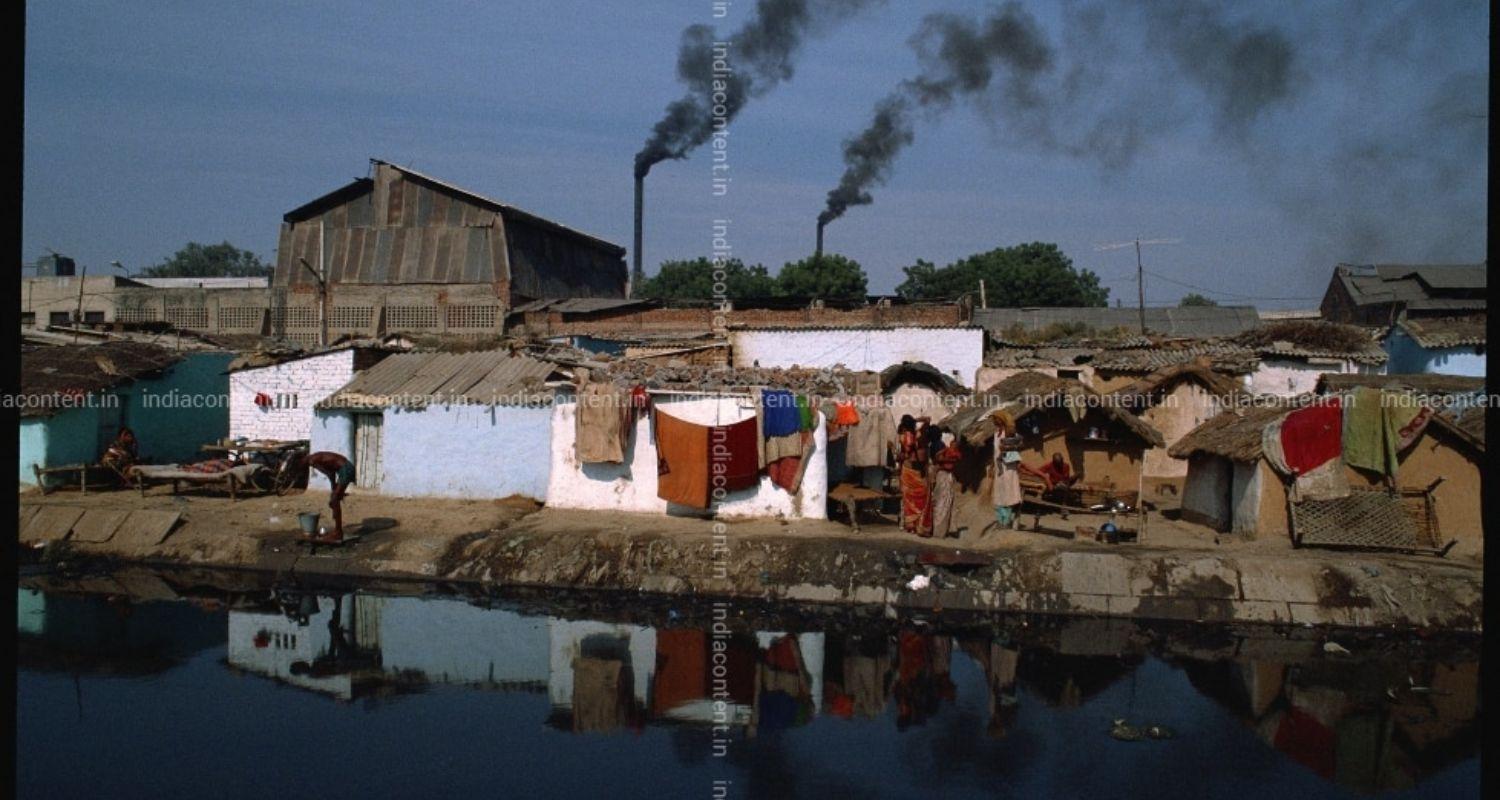
In a major crackdown to curb rising pollution levels, the Delhi Pollution Control Committee (DPCC) has ordered the closure of 411 industrial units operating illegally across the national capital. The action targets units found functioning without mandatory permissions and those contributing to air and water pollution.
The decision was taken following directions from Delhi Environment Minister Manjinder Singh Sirsa, officials said.
Joint inspections across industrial and redevelopment zones
According to officials, a joint inspection drive is being conducted by the DPCC, the Revenue Department, and the Delhi State Industrial and Infrastructure Development Corporation (DSIIDC) across 28 notified industrial areas and 27 redevelopment zones in Delhi.
During inspections carried out till December 20, authorities examined 1,586 industrial units in notified industrial areas. Of these, 232 units were found operating without DPCC consent and were clearly causing environmental pollution.
In redevelopment zones, 1,102 units were inspected, and 179 units were found violating pollution control norms.
Closure orders issued after survey findings
Based on the findings of the inspections, the DPCC issued closure orders on December 21 to all 411 non-compliant industrial units, an official confirmed.
The inspection drive was launched following instructions from Environment Minister Manjinder Singh Sirsa, with multiple civic and regulatory agencies working in coordination. The Municipal Corporation of Delhi (MCD) is also conducting parallel inspections in other parts of the city.
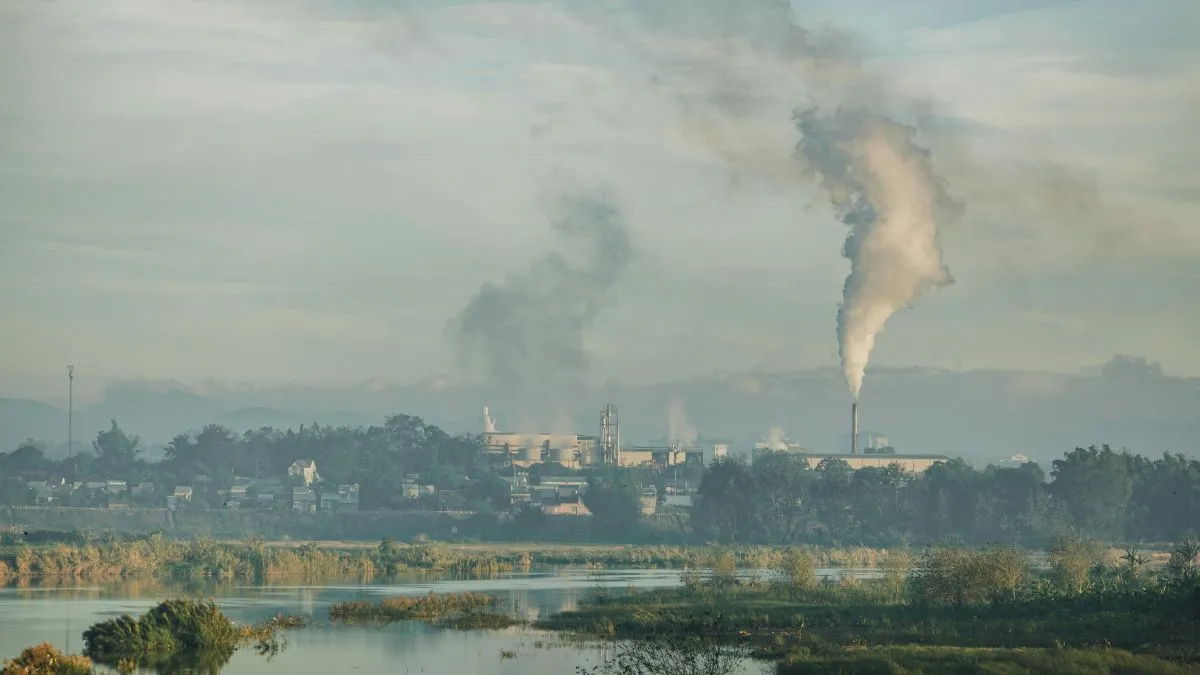
Government signals zero tolerance on pollution
Speaking to PTI, Environment Minister Manjinder Singh Sirsa said the government is working round-the-clock to improve air quality and protect public health in Delhi.
“The survey is ongoing, and strict action will continue against any industrial unit found violating pollution control norms,” the minister said, reiterating the government’s zero-tolerance approach towards environmental violations.
Officials said further action may follow as inspections continue across remaining industrial clusters.