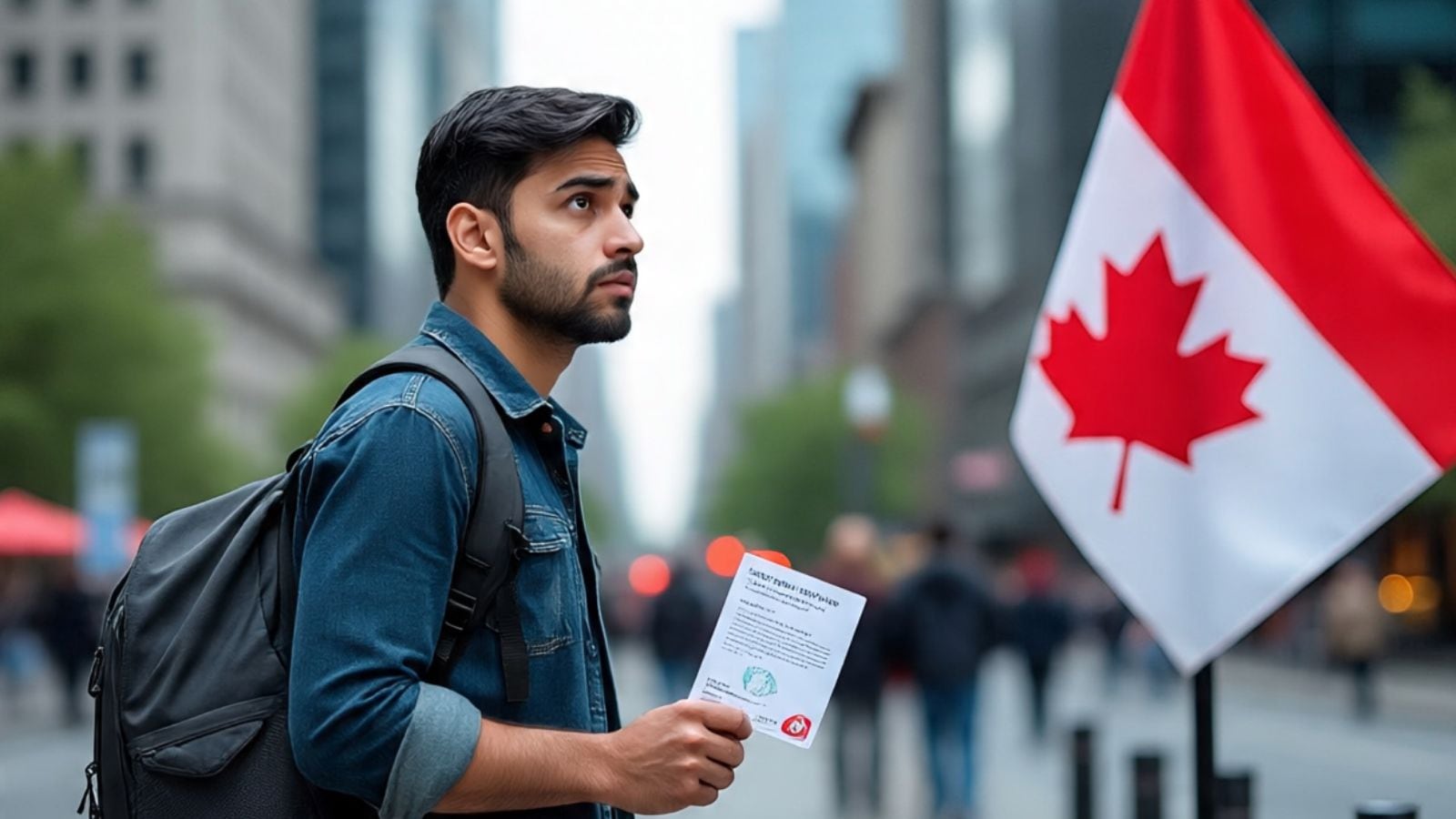
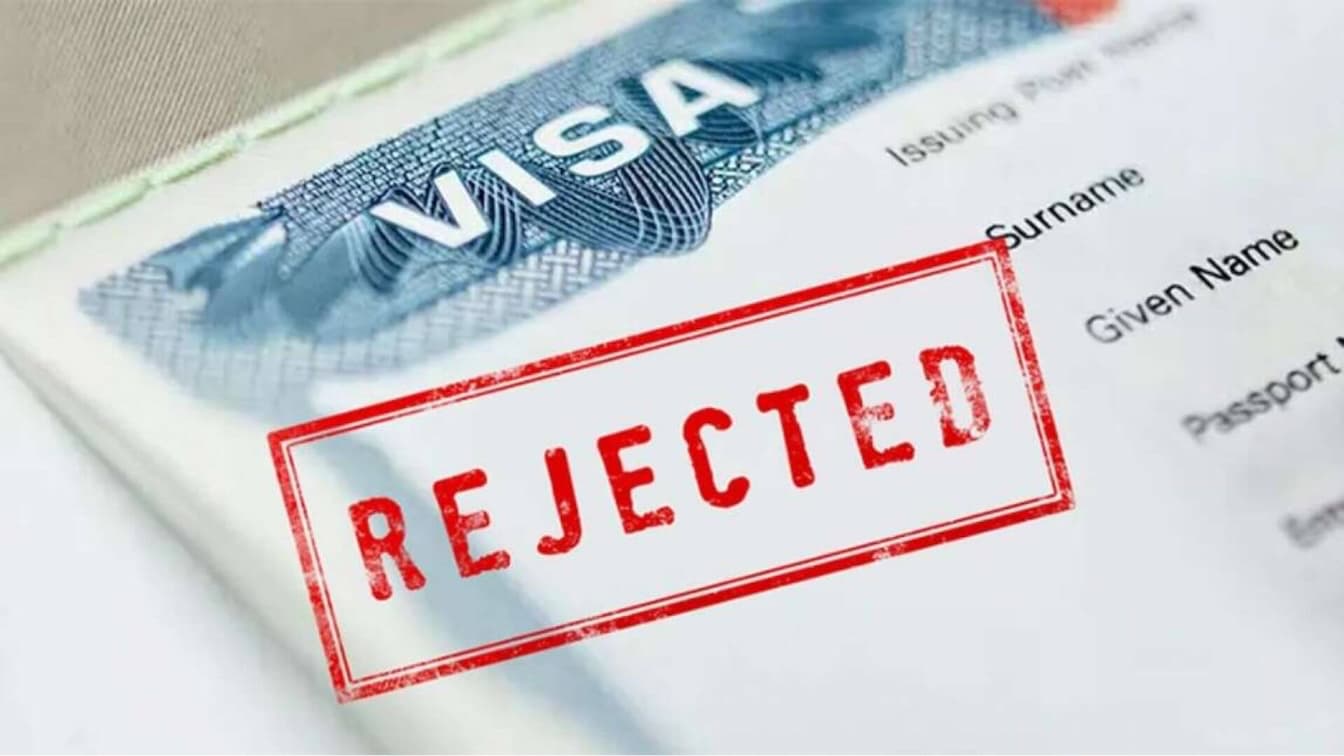
What was once a dream destination for thousands of Indian students is now turning into a major disappointment. Canada, long considered one of the most welcoming countries for international education, has tightened its student visa rules so sharply that a record 74% of Indian applicants were rejected in August 2025 — the highest ever in recent years.
This sweeping rejection wave marks a dramatic shift from just two years ago, when Canada approved nearly seven out of every ten Indian study permit applications. Today, that number has flipped — sending shockwaves through students, universities, and education agents alike.
From Boom to Bust: A Sudden Fall for Indian Students
According to new data from Immigration, Refugees and Citizenship Canada (IRCC), the number of Indian applicants plummeted from 20,900 in August 2023 to just 4,515 in August 2025 — a stunning 78% decline.
In comparison, the overall rejection rate for all international students stood at around 40%, while for Chinese students it was only 24%.
Indian students once made up nearly one-fourth of Canada’s international intake. Today, that pipeline is drying fast — threatening the diversity and economic strength of Canadian campuses that have long benefited from Indian talent.
The Fraud Fallout: Fake Letters, Real Consequences
The roots of this crackdown go back to 2023, when Canadian authorities uncovered over 1,500 fake admission letters, most linked to agents in India. By 2024, the number of flagged fraudulent applications had soared past 14,000.
Since then, Canada has introduced stricter financial and verification measures, demanding students prove higher funds for tuition and living costs.
An IRCC spokesperson said, “Enhanced verification procedures are essential to protect the integrity of our immigration system.”
However, experts warn that legitimate students are now paying the price for a few bad actors.
Diplomatic Tensions Add Fuel to the Fire
The visa crisis coincides with strained India–Canada relations. The diplomatic fallout began in 2023, after then-Prime Minister Justin Trudeau accused India of involvement in the killing of a Canadian citizen in British Columbia — a charge India strongly denied.
Since then, the chill between the two governments has spilled into education, trade, and travel. Many analysts now believe these tensions have indirectly influenced how student applications are being assessed.
Canadian Universities Sound the Alarm
The impact is already visible on campus.
At the University of Waterloo, home to Canada’s largest engineering school, enrolment from India has dropped by nearly two-thirds.
The University of Regina and University of Saskatchewan have also reported similar declines.
“We pride ourselves on being an international university,” said Ian VanderBurgh, Associate Vice President at Waterloo. “But that balance is shifting.”
For institutions that depend on international fees, fewer Indian students also mean tighter budgets and reduced diversity in classrooms.
‘Study, Work, Stay’ is Now ‘Proceed with Caution’
Back in 2015, government campaigns across Canada encouraged Indian youth to “Study, Work, Stay.”
A decade later, the message has changed.
Jaspreet Singh, founder of the International Sikh Students Association, said many Indian students are now rethinking their plans.
“Fraud is a problem,” he admits, “but so are shrinking job opportunities and tougher residency rules. Some students now feel lucky they didn’t go.”
What Lies Ahead
During her visit to India last month, Canada’s Foreign Affairs Minister Anita Anand said Ottawa remains committed to “welcoming Indian students while ensuring fairness and integrity.”
But for now, uncertainty looms. The once-solid education bridge between India and Canada seems shaky — and until trust is restored, both sides may continue to lose what was once a mutually rewarding partnership.