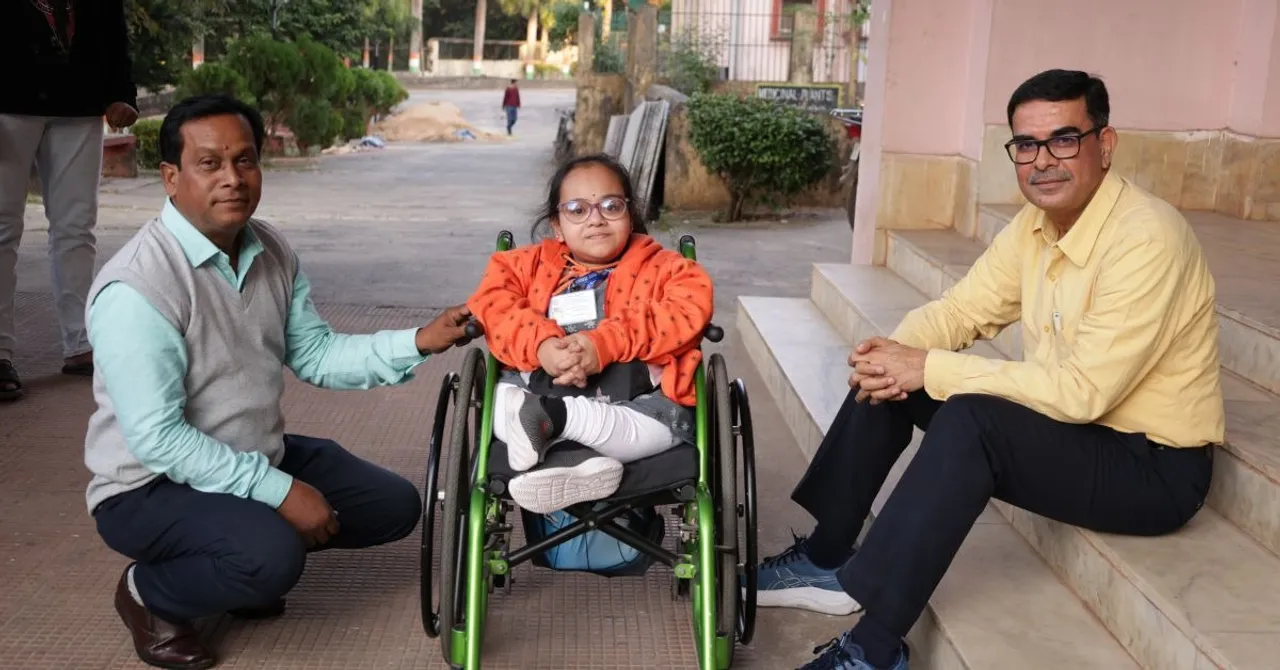
In a world where even the smallest barriers can pause a person’s dreams, Ruchita Sahukari has shattered every wall placed before her — with determination stronger than her bones.
Born with Osteogenesis Imperfecta (brittle bone disease) and denied access to school for nearly two decades, the 25-year-old from Odisha is today pursuing journalism at the prestigious Indian Institute of Mass Communication (IIMC) — from a wheelchair, with a notebook on her lap and a fire in her heart.
Her journey is not just a personal victory — it is a powerful lesson in what true inclusion can achieve.
A Girl the World Wanted to Give Up On
When baby Ruchita was born, her parents had no idea her bones could break from a simple touch. One gentle massage — and a snap changed everything.
Society told her parents to “leave her to fate.”
Schools refused to admit her.
People whispered that she would “never live normally.”
But her parents refused to listen.
“They said she should be allowed to die. But she was my daughter. How could I ever think that?” says her father, Tulsidas, his voice choking.
For 18 years, doors of education remained closed. Not because she couldn’t learn — but because the world wouldn’t let her try.
A Turning Point That Saved Her Life
Everything changed when Ruchita discovered Amrithavarshini, a Kerala-based NGO supporting those with brittle bone disease. There, she met people like her — students, professionals, dreamers — and discovered, for the first time, that her life could be bigger than her illness.
Through IGNOU’s Bachelor Preparatory Programme, she filled her academic gaps and went on to complete her BA in Sociology and English Literature — a milestone no one believed was possible for a girl once denied school admission.
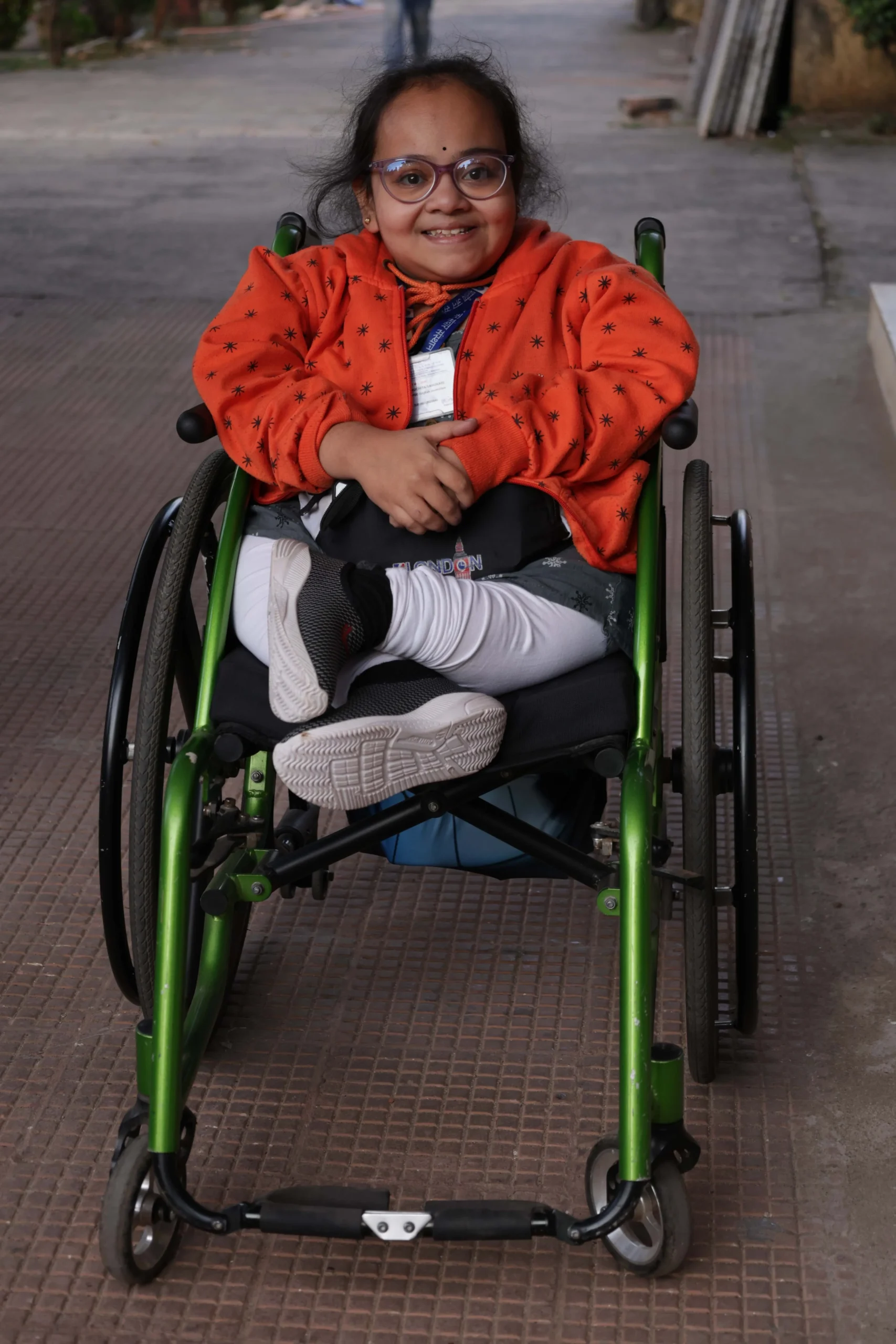
The Dream Called IIMC — And a Campus That Chose to Change
Ruchita’s next dream was even bigger: to study journalism at IIMC Dhenkanal, one of India’s most respected media institutions.
The campus wasn’t fully accessible. The slopes, stairs, and daily movement posed huge challenges. But instead of rejecting her, IIMC decided to transform itself — with her courage as the catalyst.
Ramps were built across the campus
●An accessible room was created in the ladies’ hostel
●Her mother was allowed to stay on campus during class hours
●And her classmates made a silent promise: no barrier would stop her dreams again
“Supporting Ruchita isn’t an exception,” says Regional Director Prof. Anand K Pradhan.
“It’s a reminder of what education must stand for — dignity, empathy, and equal opportunity.”
Already Reporting Stories, Already Making India Better
In just a few months at IIMC, Ruchita has:
● Published 3–4 bylined articles in national newspapers
● Reported on disability access and public health
● Covered the 2025 Bihar Elections like a pro
● Won the Rare Star Award from the Organisation for Rare Diseases India
● Become an inspiration on campus and across India
Her batchmate Priyanjal says something profound:
“When we push her wheelchair every morning, we’re not helping her.
We’re helping inclusion move forward.”
Her Message to India: “Believe in Your Child”
To parents raising children with disabilities, she has one request:
“Please don’t hide them. Don’t fear society.
Empower them — because confidence begins at home.”
Today, the same people who once told her parents to give up cannot meet their eyes.
Because the girl they doubted is now rewriting her destiny — and perhaps, the future of Indian journalism.
A Future Built on Courage
With every assignment she writes, every interview she takes, every ramp she wheels across, Ruchita is proving that disability is not a limitation — but society’s lack of imagination is.
Her bones may be fragile.
Her spirit is unbreakable.
And somewhere in IIMC Dhenkanal’s newly accessible corridors, India’s next big journalist is rolling forward — fearlessly.