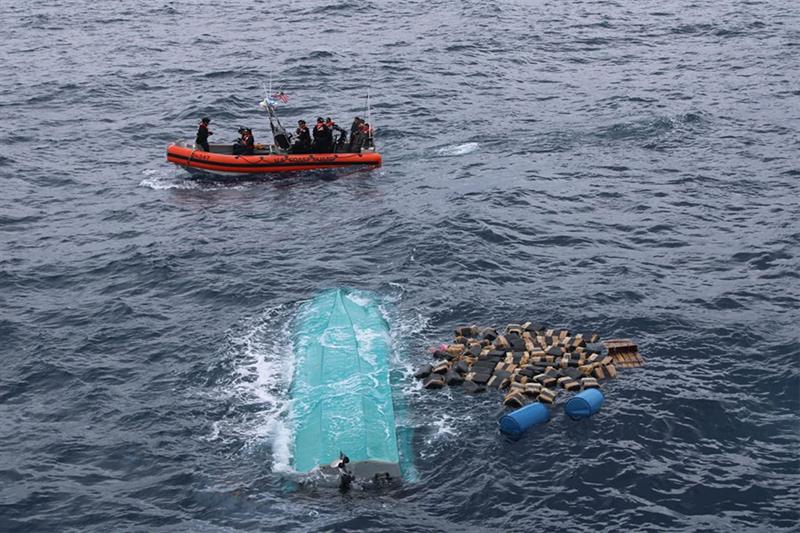
The United States military has intensified its controversial maritime crackdown on suspected drug trafficking, launching fresh airstrikes in the eastern Pacific that killed eight people on Monday. The attacks targeted three boats identified by US officials as operating along major narcotics smuggling routes in international waters.
According to the US Southern Command, the vessels were allegedly linked to “designated terrorist organizations” involved in transnational drug networks. With these latest strikes, the death toll from the campaign—initiated during the Trump administration in September—has climbed to at least 95, making it one of the most lethal US-led maritime operations in recent years.
Deadliest Phase of the Campaign
Military officials said two of the boats carried three men each, while the third had two occupants. All eight people killed were male. Monday’s operation marked the 25th strike since the campaign began, placing it among the deadliest single days of the ongoing effort.
The administration argues that the eastern Pacific and Caribbean Sea routes are critical corridors not only for drug trafficking but also for broader criminal operations threatening US national security. Officials insist the strikes are necessary to dismantle networks before they reach North America.
Growing Military Presence Near Venezuela
In recent months, the US has sharply increased its naval and air presence in waters surrounding Venezuela, citing concerns over cartel activity and regional instability. The White House maintains that aggressive enforcement is essential to curb drug flows and protect US borders.
However, critics warn that the expanding military footprint risks escalating regional tensions and could violate international law governing the use of force in international waters.
Congressional and Legal Pushback Intensifies
The campaign is now facing mounting resistance in Washington. Lawmakers from both parties have demanded greater transparency, with several members of Congress calling for the release of classified strike footage from early operations. They question whether lethal force is being used proportionately and under clear legal authority.
Legal advocacy groups have also moved to challenge the strikes in court, alleging that the administration is relying on a secret legal memorandum to justify the operations. Petitioners argue the document must be disclosed to allow proper judicial and public scrutiny.
War Crime Allegations and Command Shake-Up
Controversy deepened following an early September strike in the Caribbean, where a second attack reportedly killed two survivors of an initial assault. Human rights groups described the incident as a potential war crime, further intensifying calls for accountability.
Adding to the uncertainty, the head of US Southern Command, Admiral Alvin Holsey, retired abruptly last week. While no official reason was provided, current and former officials suggest he had privately raised concerns about the conduct and scope of the campaign.
An Uncertain Path Forward
Despite rising criticism at home and abroad, the administration shows no signs of slowing the operations. Officials continue to frame the strikes as a necessary tool in the fight against drug trafficking and organized crime.
As civilian deaths increase and legal challenges mount, the airstrike campaign is rapidly emerging as a major flashpoint—reshaping debates over US military power, international law, and the limits of counter-narcotics enforcement.