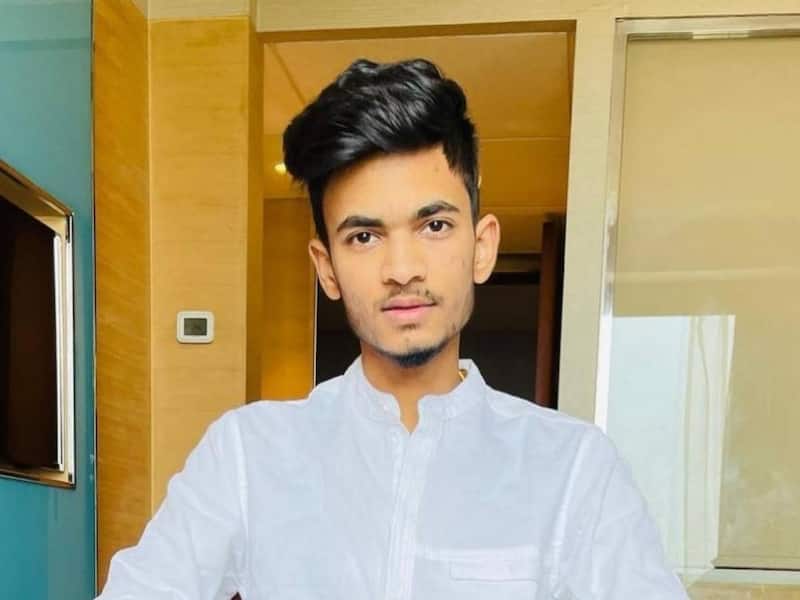
Until recently, Anurag Dwivedi was a symbol of digital-age success. A school dropout from a small village in Uttar Pradesh’s Unnao district, he built a flashy online persona, amassed luxury cars, hosted a grand wedding on a Dubai cruise, and became a familiar name among India’s young influencer ecosystem. Today, the same name dominates headlines for a very different reason — an Enforcement Directorate (ED) probe into alleged illegal betting, money laundering, and foreign investments.
The ED has conducted raids at 10 locations across Unnao, Lucknow, and Delhi, freezing ₹3 crore in bank deposits, seizing four luxury cars, recovering ₹20 lakh in cash, and examining documents related to overseas property deals, including possible investments in Dubai.
A Humble Beginning in Rural Uttar Pradesh
Born in 1999, Anurag Dwivedi grew up in the Nawabganj area of Unnao. His father, Laxminath Dwivedi, runs a modest medical store — Maa Durga Medical Store — opened in 2005. The family lives in Khajur village, where they own a large residential property spread across nearly three bighas.
Academics were never Anurag’s strength. He studied till Class 8 at CMS School, Lucknow, enrolled in Class 9 but dropped out, returned to Unnao, and eventually passed Class 9 from JP Convent School. His education ended there.
A Troubled Phase and a Turning Point
According to his father, Anurag struggled with discipline during his teenage years. In a candid revelation, Laxminath Dwivedi said his son once stole a gold chain from a relative, sold it, and used the money to buy a mobile phone — an incident the family discovered later.
Ironically, that mobile phone became the turning point of Anurag’s life.
Rise Through the Digital World
Using the phone, Anurag began experimenting with online content and launched a YouTube channel. What started as a modest digital experiment slowly evolved into a full-fledged influencer career, reportedly linked to fantasy sports and online gaming platforms.
His online popularity grew rapidly. With visibility came money — and with money came luxury.
Eight Cars in Five Years
Anurag has claimed that he bought his first car in February 2019. Over the next five years, he allegedly purchased eight luxury and premium vehicles, sometimes acquiring more than one in a single year.
His garage reportedly included:
Maruti Dzire
BMW
Ford Endeavour
Mercedes-Benz
Mahindra Thar
BMW Z4
Land Rover Defender
Lamborghini
He later sold some high-end vehicles, including the Defender and BMW Z4, reportedly to manage EMIs when income dipped.
Dubai Wedding That Sparked Attention
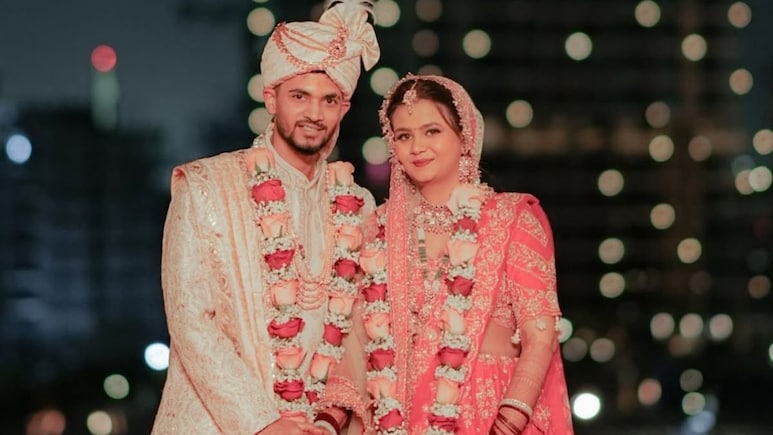
Public scrutiny intensified after Anurag’s lavish wedding in Dubai on November 21–22, 2025. The ceremony was hosted aboard the iconic Queen Elizabeth II cruise, converted into a luxury floating hotel.
Around 100 guests attended, with Anurag reportedly paying for international flights, five-star accommodation, food, and entertainment for nearly five days. Viral videos of the celebration triggered widespread attention — and, according to sources, complaints that ultimately reached enforcement agencies.
Family’s Defence and Tax Claims
The Dwivedi family maintains that Anurag’s wealth is legitimate. His father claims that Anurag has paid nearly Rs 5 crore in income tax over the last three years, arguing that such tax payments indicate assets worth Rs 30–40 crore.
Anurag has also stated that:
Some earnings were routed through a relative’s PAN card with taxes paid
Platforms he promoted were legal at the time
He is a regular taxpayer and has cooperated with authorities
What the ED Is Probing
Despite these claims, the ED is examining:
Alleged links to illegal online betting networks
Possible hawala transactions
Money laundering routes
Overseas real estate investments
Digital and financial trails across platforms
The investigation remains ongoing.
A Cautionary Digital-Age Tale
Anurag Dwivedi’s journey — from cycling through village roads to driving supercars and hosting a Dubai cruise wedding — reflects the promise of India’s digital economy. But his case also underlines the thin line between rapid online success and regulatory red flags.
As agencies dig deeper, his story stands as a reminder that sudden wealth invites scrutiny — especially in the age of influencers, unregulated platforms, and viral fame.