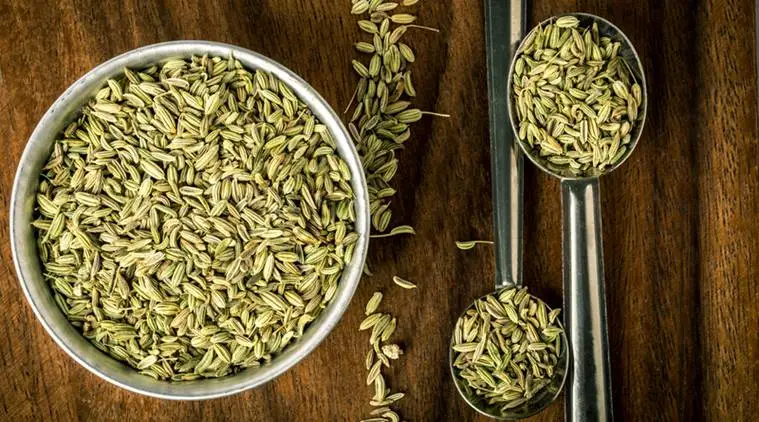
In a shocking revelation that raises serious concerns about food safety, authorities have seized 900 kilograms of adulterated fennel seeds (saunf) during a recent crackdown. The incident has triggered widespread worry among consumers, as fennel is a commonly used ingredient in Indian households—consumed daily after meals, added to cooking, and even used for digestive remedies.
Health officials warn that adulterated fennel may contain synthetic colors, chemical coatings, or low-quality substitutes, which can pose long-term health risks, especially to children, elderly people, and those with digestive disorders.
Why Adulterated Fennel Is Dangerous
Adulteration in saunf is often done to enhance color, size, and shelf appeal. However, such practices may lead to:
●Digestive problems
●Liver and kidney damage
●Allergic reactions
●Long-term toxicity if consumed regularly
Given the scale of the seizure, experts say adulteration may be more common than consumers realise.
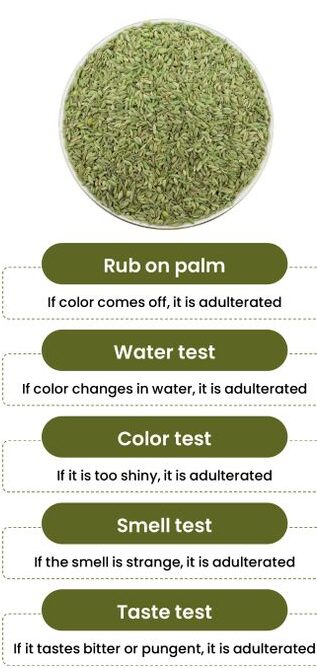
5 Easy Ways to Check If Your Fennel Is Adulterated
You can test fennel seeds at home using these simple methods:
◆Water Test – Put fennel seeds in water. If the water turns green or yellow, artificial color may be present.
◆Rub Test – Rub seeds on white paper or cloth. Color stains indicate dye coating.
◆Taste Test – Genuine fennel has a mild, sweet aroma. A bitter or chemical taste is a red flag.
◆Heat Test – Slightly warm seeds in a pan. Artificial colors may release a sharp smell.
◆Visual Check – Overly shiny or unnaturally green seeds often signal adulteration.
8 Important Things to Keep in Mind While Buying Fennel
◆Avoid unnaturally bright green saunf
◆Prefer loose fennel from trusted vendors or reputed brands
◆Check FSSAI license number on packed products
Avoid fennel with chemical smell
◆Choose seeds with natural dull green or yellowish color
◆Buy in small quantities
◆Prefer organic or lab-tested products
◆Store in airtight containers at home
Consumer Awareness Is the Best Protection
Food safety experts stress that awareness is key. With adulteration cases rising, consumers must stay alert and informed. Authorities have urged people to report suspicious food products and avoid unverified sellers.