
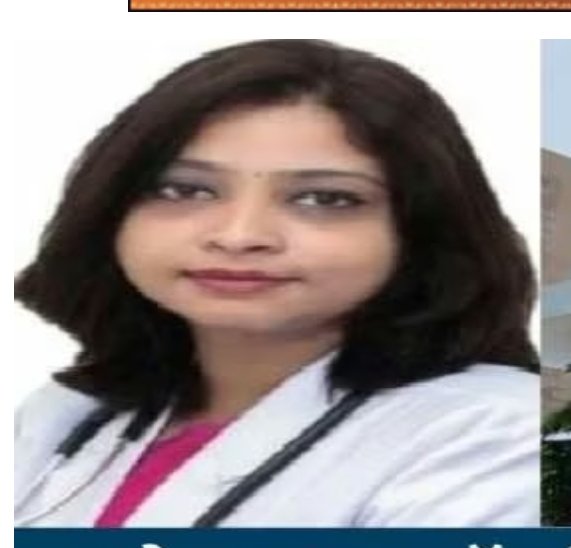
An award-winning emergency medicine specialist, Dr. Rashmi Verma, has died after spending 24 days on ventilator support at AIIMS Bhopal, triggering nationwide outrage and renewed scrutiny over workplace harassment in India’s premier medical institutions.
Dr. Verma, who was recently honoured with the Best Excellence Award by Uttar Pradesh Health Minister Brajesh Pathak, was admitted to AIIMS Bhopal in critical condition on December 12 after allegedly consuming an overdose of anaesthetic drugs. She never recovered and succumbed after weeks of life support.
According to allegations raised by colleagues and doctors’ associations, Dr. Verma’s extreme step was preceded by prolonged mental harassment at the workplace, allegedly by a senior Head of Department, Dr. Mohammad Yunus. The case has sparked intense debate within the medical fraternity, with many describing it not as suicide but as a consequence of institutional failure.
Silence, Then Action
For several days after the incident, the AIIMS Bhopal administration maintained silence despite the seriousness of the allegations. This inaction drew sharp criticism from medical bodies, resident doctors’ associations, and civil society groups across the country, who demanded accountability and transparency.
Following mounting pressure, the administration removed Dr. Mohammad Yunus from his post as Head of Department. However, he has since been temporarily attached to the Anaesthesia Department, a move that has raised further questions about the adequacy of the response.
Doctors Question ‘Justice’
Medical associations argue that the administrative action falls short of justice. Many have questioned whether merely shifting an accused senior official—without a time-bound, independent inquiry—addresses the systemic issues of power misuse, mental harassment, and lack of grievance redressal mechanisms in government hospitals.
“This is not just about one doctor. This is about the safety, dignity, and mental health of thousands of medical professionals working under extreme pressure,” said a senior doctor associated with a national medical body.
A Larger Crisis in Healthcare Institutions
Dr. Rashmi Verma’s death has reopened conversations around toxic work culture, hierarchical abuse, and mental health neglect within India’s healthcare system. Experts warn that unless institutions adopt zero-tolerance policies, independent complaint mechanisms, and mental health safeguards, such tragedies will continue.
As the medical community mourns the loss of a dedicated doctor, the central question remains unanswered:
Was this justice—or just damage control?