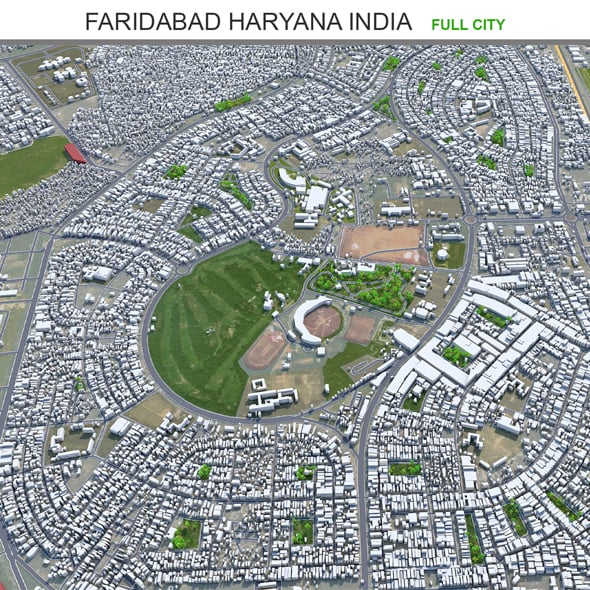
In a major step toward data-driven governance, Faridabad’s healthcare system is set to undergo a comprehensive digital assessment through GIS (Geographic Information System) mapping. Moving beyond paperwork and estimates, the initiative aims to map hospitals and health centres against population density to identify critical gaps in medical infrastructure.
The findings will play a key role in shaping budget allocations and healthcare planning, ensuring that future investments are based on ground realities rather than assumptions.
Population Pressure Meets Limited Public Healthcare
Faridabad’s population is estimated to be between 1.8 and 2 million, served by more than 200 hospitals and health institutions—the majority of them in the private sector. The government healthcare network includes the district hospital, sub-divisional hospitals, Community Health Centres (CHCs), Primary Health Centres (PHCs), and sub-centres.
The district currently has around 19 CHCs and several PHCs and sub-centres, which are the backbone of healthcare for rural areas. However, for years, these facilities have struggled with shortages of specialist doctors, hospital beds, and modern medical equipment.
Beds Per Population Below National Standards
Health department data reveals that Faridabad has fewer hospital beds per 1,000 people than national benchmarks. As a result, government hospitals and CHCs face heavy pressure in OPDs and emergency services.
While urban zones such as NIT, Ballabgarh, Old Faridabad, and Greater Faridabad have a higher concentration of private hospitals, a large section of the population still depends on government facilities. In contrast, rural belts like Tigaon, Chhainsa, Mohna, Dayalpur, and surrounding villages rely on a limited number of health centres, each serving multiple villages—significantly increasing the patient load.
Identifying Healthcare Deserts
GIS mapping will, for the first time, clearly identify areas where residents must travel 10–15 kilometres to reach a hospital or PHC. It will also assess access to trauma care, ambulance services, and specialist treatment, especially in rural and semi-urban pockets.
Given Faridabad’s status as a major industrial hub, cases of road accidents, respiratory illnesses, and lifestyle-related diseases are common. However, the number of trauma centres and emergency care facilities remains disproportionately low.
Data-Driven Planning for the Next Budget
Officials believe that GIS-based insights will help pinpoint underserved areas and guide targeted expansion of hospitals, trauma units, and emergency services. The upcoming budget is expected to reflect this analysis, marking a shift toward evidence-based healthcare planning.