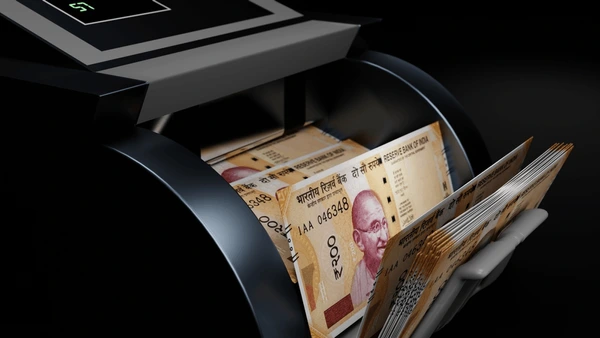
Starting April 1, 2026, withdrawing cash in India is set to become more expensive and more regulated, as major banks revise ATM rules, UPI withdrawal policies, and free transaction limits.
What was once a simple routine—checking balance or withdrawing cash—will now require careful planning, as banks tighten rules to align costs and push digital adoption.
What’s Changing: The New Banking Reality
The changes are not minor tweaks—they represent a structural shift in how cash access is managed:
UPI-based cash withdrawals now counted within ATM limits
Free ATM transactions reduced across banks
Daily withdrawal limits cut significantly
Balance checks and mini statements now counted in usage quota
In short:
More control, more tracking, and more charges
UPI Withdrawals Lose Their Free Advantage
Earlier, UPI-based cash withdrawals offered flexibility and often stayed outside the monthly ATM limit.
Now, banks like HDFC Bank have changed the rule:
●UPI withdrawals will count as regular ATM transactions
●Exceeding the free limit will attract Rs 23 + taxes per transaction
This effectively removes the cost advantage of cardless withdrawals.
Withdrawal Limits Cut: Less Cash, More Planning
Punjab National Bank has reduced daily withdrawal limits:
●From Rs 1,00,000 → Rs 50,000
●Premium cards: Rs 1,50,000 → Rs 75,000
Impact:
Large withdrawals now require:
●Multiple days
●Branch visits
●Or a shift to digital payments
Fewer Free Transactions at Other ATMs
Bandhan Bank has tightened ATM usage rules:
Only 3 free transactions in metro cities (including balance checks)
5 free transactions in non-metro areas
Charges apply beyond this limit
Even simple actions like checking balance can now cost money.
Hidden Charges You Might Miss
Once the free limit is crossed:
●Financial transaction: Rs 23
●Non-financial (balance check): Rs 10
●Failed transaction (low balance): Rs 25
This means even small mistakes or routine checks can add up over time.
Why Banks Are Doing This
The changes are driven by multiple factors:
●Rising operational costs of ATM infrastructure
●Need to standardize UPI and ATM usage costs
●Push toward digital and cashless economy
●Reduction of excessive ATM dependency
◆The strategy is clear:
Make cash less convenient, digital more attractive
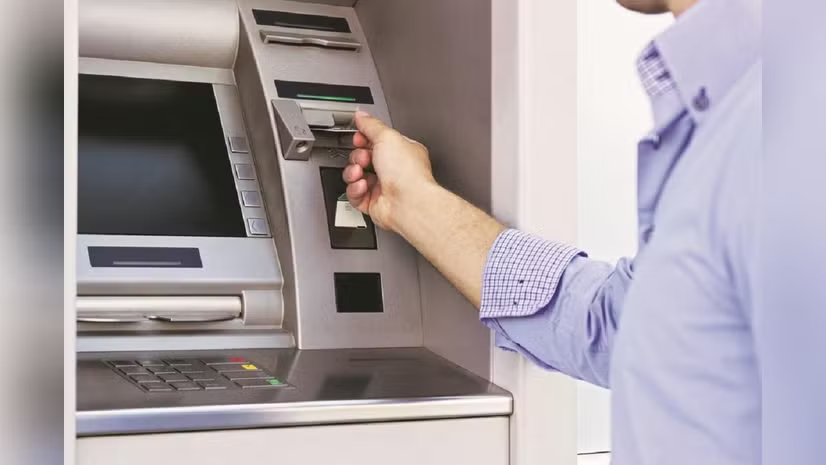
Behaviour Shift Already Visible
These changes are expected to impact customer habits:
●Fewer ATM visits
●Increased use of UPI payments
●Better tracking of monthly transactions
●Reduced reliance on cash
◆Digital payments are no longer optional—they are becoming essential.
How You Can Avoid Extra Charges
To minimise impact:
●Track monthly ATM usage carefully
●Use your own bank’s ATM for transactions
●Avoid frequent balance checks at other ATMs
●Plan large withdrawals in advance
●Shift to UPI or card payments wherever possible
The new ATM rules mark a clear turning point in India’s banking system.
◆ Cash is no longer “free access”—it now comes with cost and limits.
As banks tighten rules and digital systems expand, the message is simple:
The future of money is not in ATMs—it’s in your mobile.