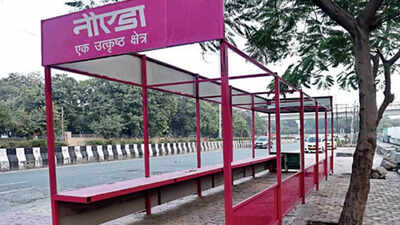
In a significant step towards organized urban development, authorities in Greater Noida have approved the allotment of 670 designated vending slots for street vendors across the city.The initiative aims to provide vendors with legal, structured spaces to operate, while also addressing long-standing issues of unregulated roadside vending and traffic congestion.
Survey-Based Identification of Eligible Vendors
The allotment will be carried out based on a detailed survey conducted by the Greater Noida Industrial Development Authority (GNIDA), which identified eligible street vendors across different sectors.Only verified vendors will be allocated these spaces, ensuring that the benefits reach genuine beneficiaries and help formalize the informal sector.
Part of National Urban Livelihood Mission
This move is aligned with the government’s broader vision under the National Urban Livelihoods Mission (NULM), which focuses on improving income opportunities and providing dignity to urban street vendors.By giving them designated spaces, the plan aims to create a balance between livelihood support and urban order.
What This Means for the City
The decision is expected to bring multiple benefits:
●Reduced encroachment on roads and public spaces
●Better traffic flow and improved cleanliness
●More organized and accessible vending zones for residents
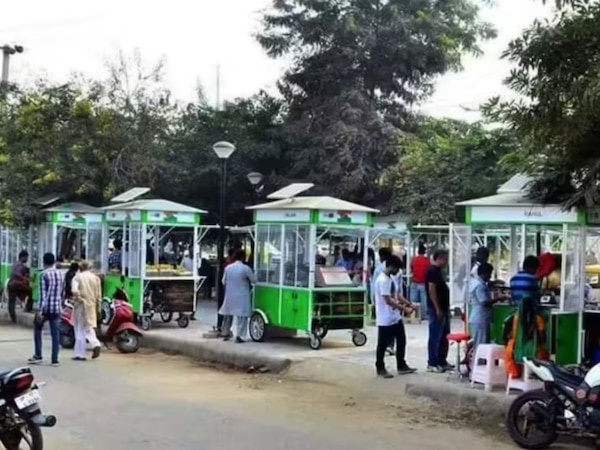
Authorities believe that structured vending zones will help transform chaotic roadside setups into regulated micro-business hubs.
A Boost for Small Businesses
For thousands of street vendors, this initiative is more than just space allocation — it is about security, stability, and recognition.Having a fixed vending spot will allow them to operate without fear of eviction, improve their earnings, and build a more reliable customer base.
Urban Planning Meets Livelihood Support
Greater Noida’s move reflects a growing shift in urban governance — where development is not just about infrastructure, but also about inclusive growth.By integrating street vendors into the city’s planning framework, authorities are attempting to create a system where both business activity and public order coexist smoothly.
The Bigger Picture
This initiative comes at a time when cities across India are struggling to manage informal economies.If implemented effectively, the Greater Noida model could become a template for other cities, showing how planned vending zones can improve both livelihoods and urban management.