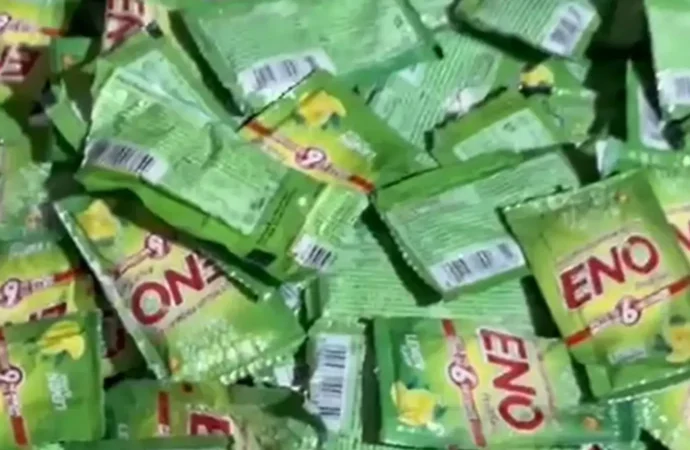
In a major enforcement action, authorities have busted two illegal factories in Delhi involved in manufacturing counterfeit ENO and NESCAFÉ products.The raid led to the seizure of over 1 lakh fake ENO sachets, 50,000 counterfeit NESCAFÉ sachets, and nearly 500 kg of coffee powder, along with large quantities of raw materials.
Acid, Chemicals and Fake Packaging Recovered
What makes the case more alarming is the nature of materials found during the raid. Officials recovered two drums of acid along with other substances used to replicate the look and effect of original products.Investigators believe these factories were not just repackaging but actively manufacturing fake consumables using chemical mixtures, raising serious safety concerns.
Four Accused Arrested
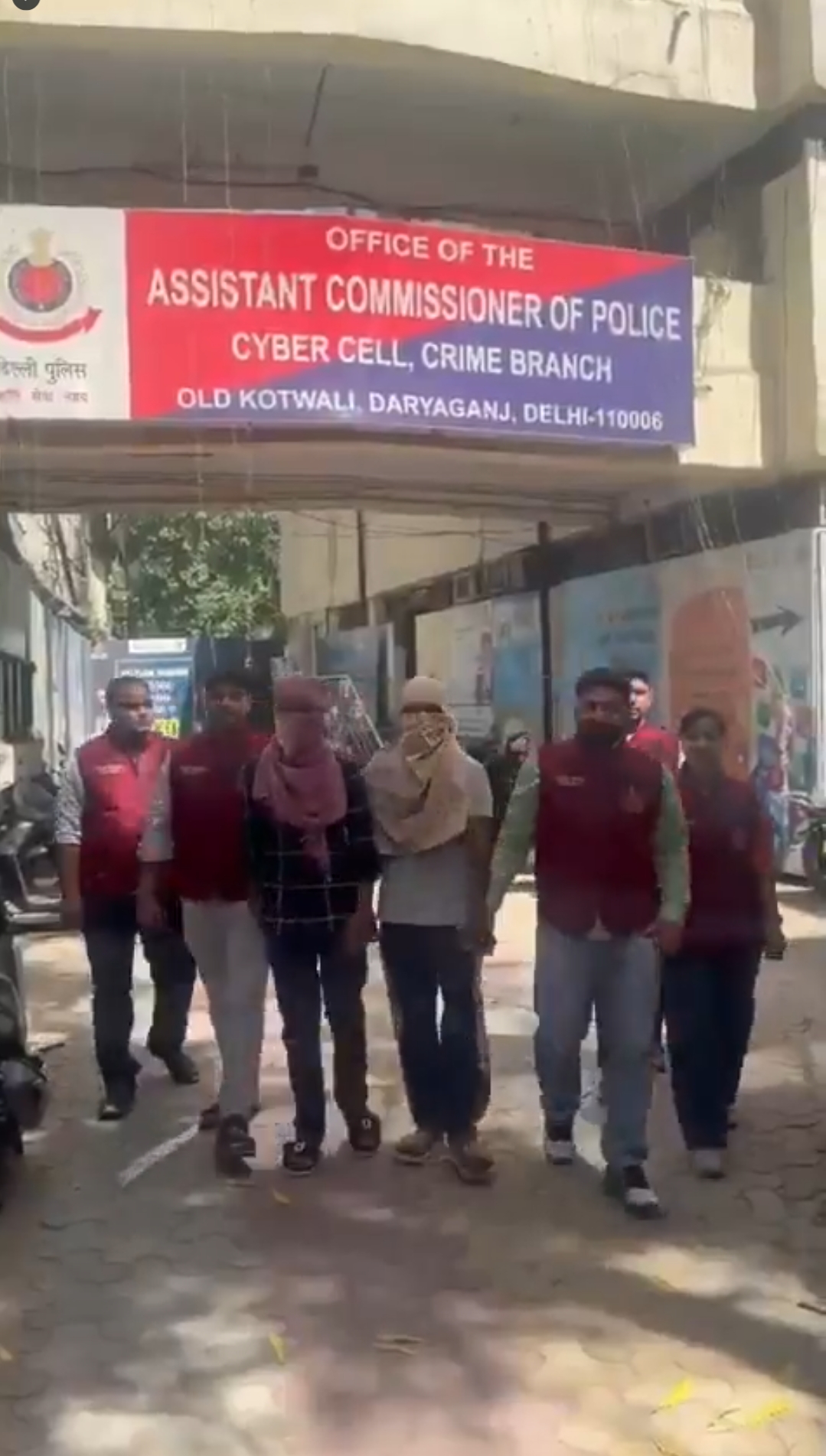
Police have arrested four individuals in connection with the racket:
•Nitin Bhardwaj
•Sanjay Bansal
•Uttam Das
•Papai Das
Authorities suspect that the group was running a well-organized counterfeit operation, supplying fake products into local markets.
How Fake Products Enter the Market
Such counterfeit goods are often designed to closely mimic branded packaging, making it difficult for consumers to distinguish between real and fake.
These products are typically sold at:
●Lower prices in local markets
●Small retail shops or unverified suppliers
●High-demand areas where quick consumption is common
This allows illegal operators to profit while consumers remain unaware.
Health Risks: A Silent Danger
The biggest concern is not just financial fraud, but health risks.Fake ENO, which is commonly used for acidity relief, may not work as intended—or worse, may contain harmful substances. Similarly, counterfeit coffee products may include low-quality or unsafe ingredients.The presence of acid and unknown chemicals raises serious questions about what consumers are actually ingesting.
A Larger Pattern of Food Adulteration
This case reflects a growing trend of counterfeit everyday products, where commonly used items like antacids and coffee are being duplicated illegally.As demand for branded goods increases, counterfeit networks are exploiting gaps in supply chains and enforcement.
The Bigger Question
For consumers, this incident raises a worrying concern:
If even basic, trusted products like ENO and coffee can be faked at scale,
how safe are everyday items on store shelves?