
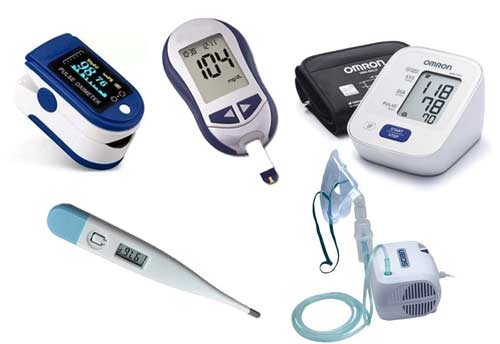
A fresh revelation has reignited concerns over the rising cost of healthcare in India, exposing what many are now calling a “medical mafia” operating within the system. According to recent findings highlighted in a high-impact analysis, even basic medical tools such as thermometers and blood pressure (BP) machines are allegedly being used as instruments of excessive profiteering.What should ideally be affordable, essential healthcare equipment is now being questioned for inflated pricing, opaque billing, and disproportionate margins, raising serious concerns about ethics and regulation.
The Hidden ‘Loot’ Behind Basic Medical Equipment
The issue goes beyond high-end medical devices and enters the realm of everyday tools used in routine diagnosis. Thermometers, BP monitors, and similar basic instruments — commonly used in hospitals, clinics, and even homes — are reportedly being sold at prices far above their actual cost.This gap between manufacturing cost and market price is not always visible to patients. However, experts suggest that the lack of pricing transparency allows multiple layers of markup, ultimately passing the burden onto the consumer.For patients, this means paying significantly more for even the most basic healthcare services.
A ‘Black Hole’ in the Healthcare System?
The term “black hole” is increasingly being used to describe a system where costs escalate without clear justification. Once a patient enters the healthcare ecosystem, expenses often multiply across consultations, diagnostics, and equipment usage.The concern is not just about individual products but about a systemic structure where pricing lacks standardization and oversight.
This raises a critical question:
Is the healthcare system serving patients — or exploiting their vulnerability?
Profit Chains: Where Does the Money Go?
Industry insiders suggest that the high prices are often the result of a multi-layered profit chain, involving manufacturers, distributors, hospitals, and retailers.At each stage, margins are added, inflating the final cost. While businesses operate for profit, critics argue that in healthcare,profit should not come at the cost of accessibility and fairness.The absence of strict price regulation across many categories of medical equipment further complicates the issue.
Patients Caught in the Middle
For the average patient, especially during medical emergencies, there is little room to question costs. Trust in healthcare providers often leads to acceptance of bills without scrutiny.However, repeated reports of inflated pricing are beginning to erode that trust. Families already dealing with health crises find themselves facing unexpected financial strain, turning treatment into both a medical and economic challenge.
Calls for Transparency and Regulation
The revelations have intensified calls for stronger regulation, including:
●Transparent pricing mechanisms
●Standardized cost structures for basic medical equipment
●Greater accountability across hospitals and supply chains
Experts believe that without such measures, the gap between actual cost and patient expense will continue to widen.
A Larger Pattern Emerging
This is not an isolated issue. From high-end implants to basic diagnostic tools, multiple reports over time have pointed toward pricing irregularities in the healthcare sector.Together, they paint a picture of a system where oversight struggles to keep pace with commercialization.
Healthcare at a Crossroads
The latest revelations have once again brought the spotlight on a critical issue —can healthcare remain both accessible and ethical in a profit-driven environment?
If even basic tools like thermometers and BP machines become part of a larger profiteering chain,it signals a deeper structural problem.
Because in the end,healthcare should heal — not exploit.