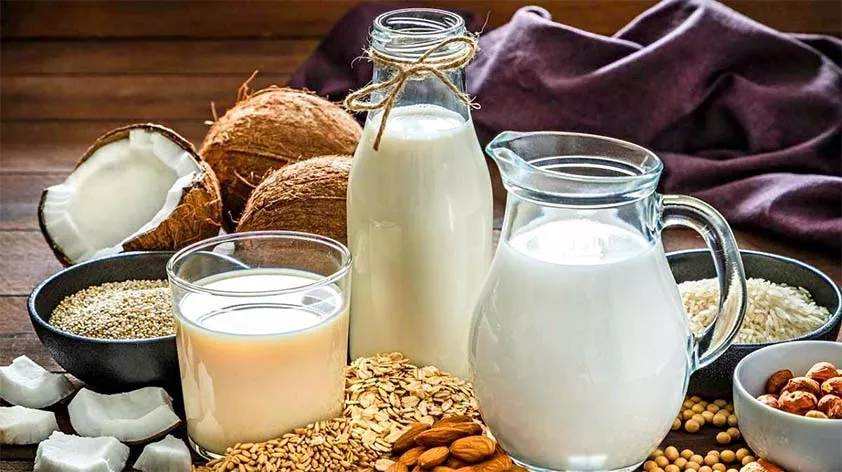
Milk remains a daily staple in households worldwide, but with growing choices ranging from dairy to plant-based alternatives, consumers are increasingly questioning which option is healthiest. Nutritionists say the answer depends on individual health goals, dietary restrictions and lifestyle preferences.
Traditional dairy milk continues to be valued for its high-quality protein, calcium and vitamin content. At the same time, plant-based alternatives such as soy, almond, oat and coconut milk are gaining popularity among people seeking lactose-free, vegan or environmentally conscious options.
Nutritional Value Plays a Major Role
Health experts emphasize that nutritional content should be one of the biggest factors while choosing milk. Dairy milk naturally contains protein, calcium, vitamin B12 and vitamin D, making it beneficial for bone strength and muscle health.
Among plant-based options, soy milk is considered the closest nutritional alternative to dairy because of its protein content. Almond milk is lower in calories and rich in vitamin E, while oat milk contains fiber that may help support heart health. Coconut milk, though creamy and flavorful, offers less protein and contains higher saturated fat.
Sugar and Calorie Levels Matter
Doctors also warn consumers to check labels carefully, especially for flavored or sweetened milk varieties. Many plant-based milks contain added sugars that can increase calorie intake. Unsweetened versions are often recommended for healthier daily consumption.
Whole dairy milk and coconut milk may contain higher fat levels, while skim milk and almond milk are preferred by people aiming for weight management or lower calorie intake.
FutureCrime Summit 2026: Registrations to Open Soon for India’s Biggest Cybercrime Conference
Environmental Concerns Influence Consumer Choices
Sustainability has also become an important factor in milk consumption trends. Dairy farming is linked to higher greenhouse gas emissions and water use. However, plant-based alternatives also vary in environmental impact. Almond farming requires significant water resources, while oat milk is often viewed as one of the more eco-friendly options.
Consumers are increasingly supporting local farms and brands offering organic, hormone-free and ethically sourced products.
Personal Health Needs Remain Key
Experts stress there is no single “perfect” milk choice for everyone. Lactose intolerance, allergies, fitness goals and dietary lifestyles such as veganism all influence the best option for an individual.
Nutritionists recommend choosing minimally processed milk with balanced nutrients and limited additives. Whether dairy or plant-based, experts say moderation and informed choices remain essential for maintaining a healthy diet and sustainable lifestyle.