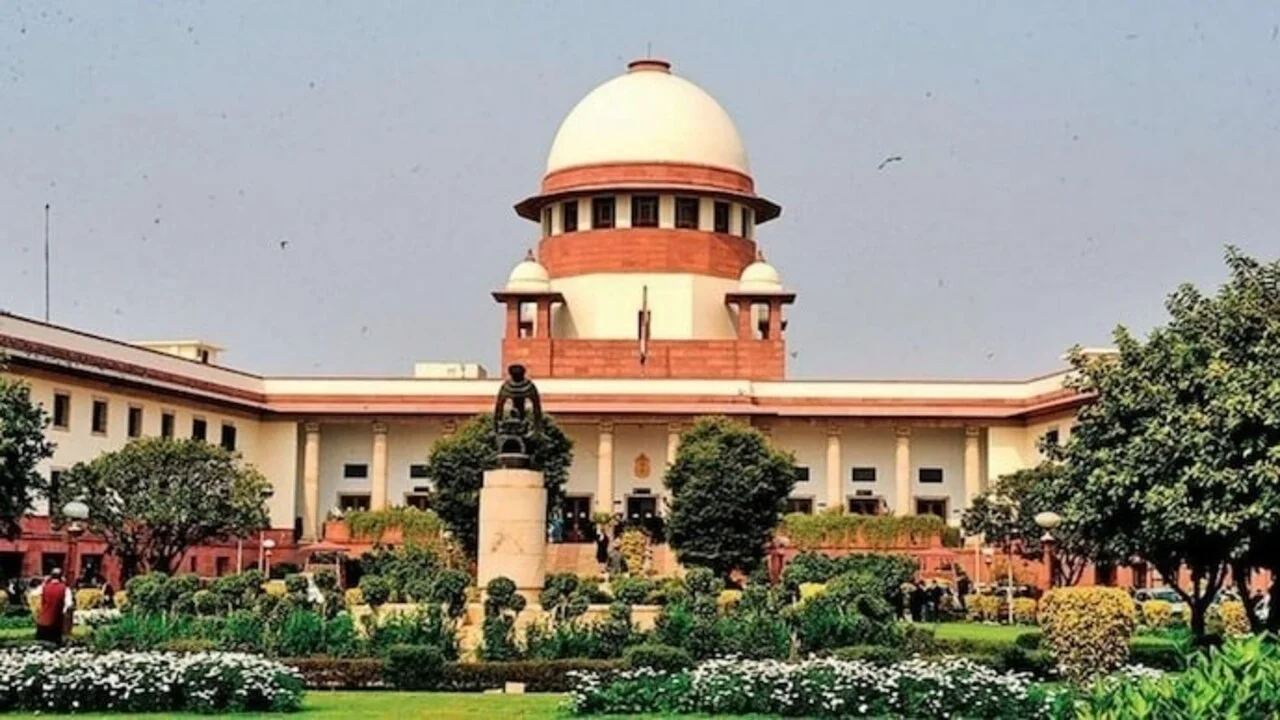
New Delhi The Supreme Court has taken a firm stance against the alleged practice of pharmaceutical companies offering expensive gifts, foreign trips and other freebies to doctors to encourage them to prescribe branded medicines. A bench comprising Justice Vikram Nath and Justice Sandeep Mehta has directed the Central Government to constitute a special committee to examine the issue. The committee will prepare recommendations to curb unethical marketing practices in the pharmaceutical industry and establish a legal framework to hold companies accountable. The court’s directive marks a step towards developing more effective safeguards against incentives that could influence medical prescriptions.
The development comes as the apex court is also examining a separate matter concerning drug prices and the affordability of medicines for the general public. In that case, a significant disparity of nearly ten times between the retail price and the maximum retail price (MRP) of a cancer drug has been highlighted. Questions surrounding medicine pricing and pharmaceutical marketing have intensified concerns about transparency in healthcare and the financial burden on patients.
Issue Raised Through FMRAI Petition
The Federation of Medical and Sales Representatives Associations of India (FMRAI) has filed a public interest litigation challenging the alleged unethical marketing practices of pharmaceutical companies.
The petition alleges that some drug manufacturers offer expensive gifts and other financial benefits to doctors to encourage them to prescribe their products. Such practices raise concerns that commercial interests could influence the selection of medicines instead of patients’ medical needs and treatment requirements.
The petitioner has emphasised the need for effective controls over benefits offered by pharmaceutical companies to medical professionals. The objective of establishing a stronger legal framework is to ensure that doctors select medicines based on patients’ conditions, treatment effectiveness and accepted medical standards rather than incentives offered by drug manufacturers.
Rules for Doctors, but Questions Over Corporate Accountability
Under the existing regulatory framework, doctors are subject to professional conduct rules that prohibit them from accepting inappropriate gifts or benefits from pharmaceutical companies. Violations can invite disciplinary action, and serious cases may result in the suspension or cancellation of a doctor’s medical registration.
However, the petition has raised concerns about the adequacy of legal provisions to hold pharmaceutical companies accountable for allegedly offering such inducements.
The key question is what effective action can be taken against a company that allegedly attempts to increase sales by providing improper benefits to doctors.
Under the Supreme Court’s directions, the proposed committee will examine these concerns and recommend appropriate measures. It will also seek suggestions and objections from members of the public, healthcare experts and relevant organisations.
The inputs will help inform the development of a legal framework aimed at defining corporate responsibility and preventing unethical marketing practices.
Allegations Range From Expensive Electronics to Foreign Holidays
In its petition, FMRAI has alleged that some pharmaceutical companies spend substantial amounts to influence doctors’ prescribing decisions.
According to the allegations, doctors are offered expensive electronic devices, gold coins, refrigerators and other valuable gifts. The petition also refers to instances in which pharmaceutical companies allegedly pay for overseas holidays and travel expenses for doctors and their family members.
Such benefits are alleged to be intended to encourage doctors to prescribe the companies’ branded medicines, potentially influencing medical decisions through commercial incentives.
However, allegations made in a petition must be distinguished from facts established through investigation or judicial findings. The proposed committee is expected to examine the nature of these practices, identify gaps in the existing regulatory framework and consider measures to improve accountability.
Centre Must Submit Progress Report to the Court
During the hearing, Solicitor General Tushar Mehta assured the court that the Central Government was working to address unethical marketing practices in the pharmaceutical industry.
Following the submission, the Supreme Court directed the Centre to provide details of the progress made towards constituting the committee and developing the relevant regulatory measures.
The government will have to file an affidavit outlining the steps taken in response to the court’s directions. The next hearing in the matter has been scheduled for January 29, 2027.
The committee’s recommendations and the government’s subsequent action will be crucial in determining how pharmaceutical marketing practices are regulated in the future.
If an effective legal framework is developed, it could strengthen oversight of pharmaceutical companies, clarify corporate accountability and establish more effective mechanisms for addressing allegations of improper inducements to doctors.
The broader objective is to reinforce a healthcare system in which medical prescriptions are guided by clinical requirements and patients’ interests, rather than by commercial incentives.