

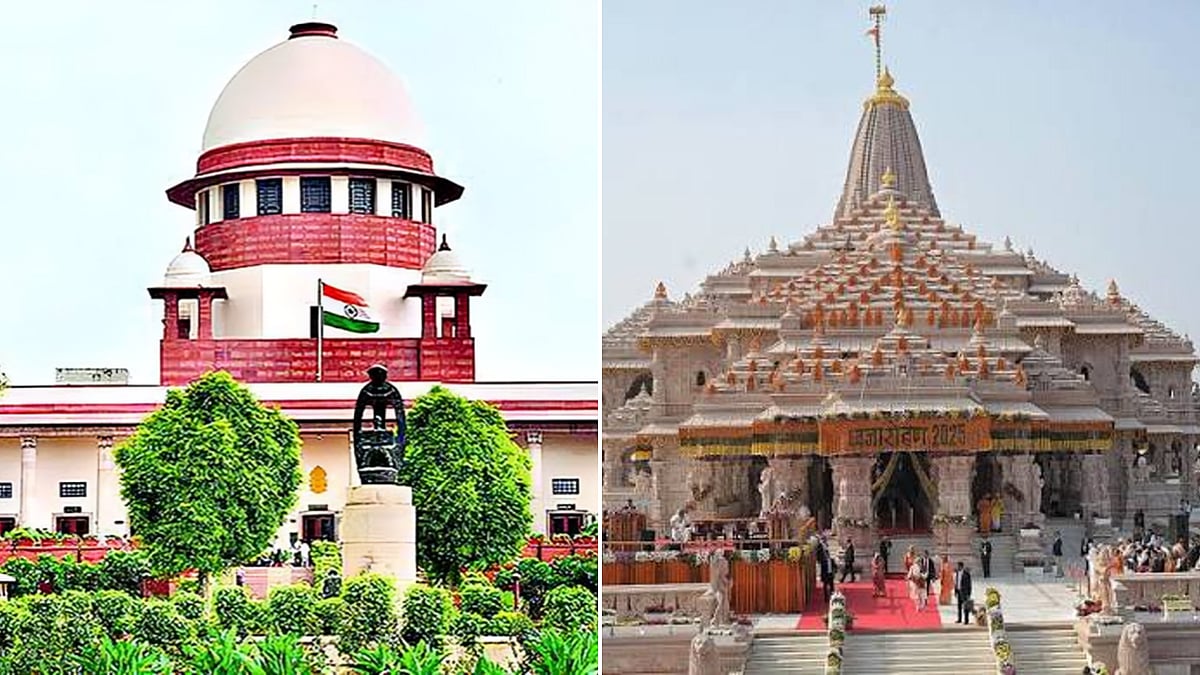
NEW DELHI: The Supreme Court on Monday disposed of a batch of petitions concerning the alleged embezzlement of donations and offerings made by devotees at the Ram Temple in Ayodhya, directing the concerned Magistrate to proceed with the matter in accordance with law. A Bench headed by Chief Justice of India Surya Kant took on record the Uttar Pradesh government’s submission that the Special Investigation Team (SIT) had completed its probe and filed a chargesheet before the competent court. The apex court clarified that it had expressed no opinion on the merits of the allegations, leaving it to the local court in Ayodhya to examine the chargesheet, assess the evidence, and decide whether to take cognizance and summon the accused.
Magistrate to Decide on Cognizance and Trial
With the filing of the chargesheet, the judicial proceedings will now move forward entirely before the local court in Ayodhya. The Magistrate will examine the findings and materials collected during the SIT investigation to determine if sufficient grounds exist to initiate criminal proceedings. If cognizance of the alleged offences is taken, formal summons will be issued to the accused persons. The case involves serious allegations of criminal breach of trust, cheating, and related offences under the Bharatiya Nyaya Sanhita (BNS), all of which will have to be substantiated through witness testimonies and evidence during the trial stage.
Petitioners Permitted to Assist the Local Court
Recognizing an element of public interest in the matter, the Supreme Court permitted the petitioners who raised the issue to assist the Magistrate during proceedings in the same manner as victims participate in criminal cases. This direction affords them an opportunity to follow the case closely and submit relevant points for the court’s consideration. The Bench emphasized that its order should not be construed as an endorsement of the claims, ensuring that neither the prosecution nor the defence can argue that the top court had formed any preliminary view on the alleged irregularities.
SIT Probe Points to Recorded Incidents on Premises
The dispute stems from allegations that donations running into hundreds of crores of rupees contributed by devotees from India and abroad were misappropriated by individuals managing the temple’s affairs. The temple trust has rejected these claims, maintaining that all funds have been properly accounted for and audited by private auditors. During an earlier hearing, the Supreme Court was apprised through an SIT status report submitted on September 21 that 105 instances of theft involving offerings were captured by CCTV cameras installed on the temple premises. The report noted that receipts for valuables were generated through software and stored in State Bank of India lockers, leading up to the final chargesheet filed ahead of the court-mandated deadline.

