

The Commission for Air Quality Management invoked Stage II of the Graded Response Action Plan across Delhi and the National Capital Region with immediate effect on Monday after the city’s average Air Quality Index climbed to 324. The deterioration pushed air quality into the very poor category, prompting statutory authorities to enforce a series of mandatory curbs across Delhi, Gurugram, Faridabad, Ghaziabad, and Gautam Buddha Nagar. Official air monitoring data recorded a rapid decline in atmospheric conditions over three consecutive days, beginning with an index reading of 117 in the moderate bracket on October 31, rising to 261 in the poor band on November 1, and subsequently crossing into the very poor threshold on November 2. Unfavourable meteorological patterns combined with slow pollutant dispersion triggered the emergency response following meteorological projections issued by the India Meteorological Department and the Indian Institute of Tropical Meteorology.
Higher Parking Tariffs and Regulated Public Work Schedules
To discourage the extensive use of private vehicles on regional roads, municipal and transport authorities have received directives to enhance parking charges across all major urban zones. Transport departments and civic bodies will focus enforcement resources on identified traffic congestion corridors to ease vehicular snarls and curb tailpipe emissions, while advising commuters to choose less congested routes even if they involve longer travel distances. Simultaneously, the framework mandates staggered operating hours for government departments and local bodies across key National Capital Region districts to prevent simultaneous peak-hour traffic concentration. Decisions regarding alternate shifts in state administration and urban local bodies will be implemented across Delhi, Gurugram, Faridabad, Ghaziabad, and Gautam Buddha Nagar, whereas the central government will take separate determinations regarding operational timings for its own offices.
Dust Abatement and Stringent Checks on Construction Sites
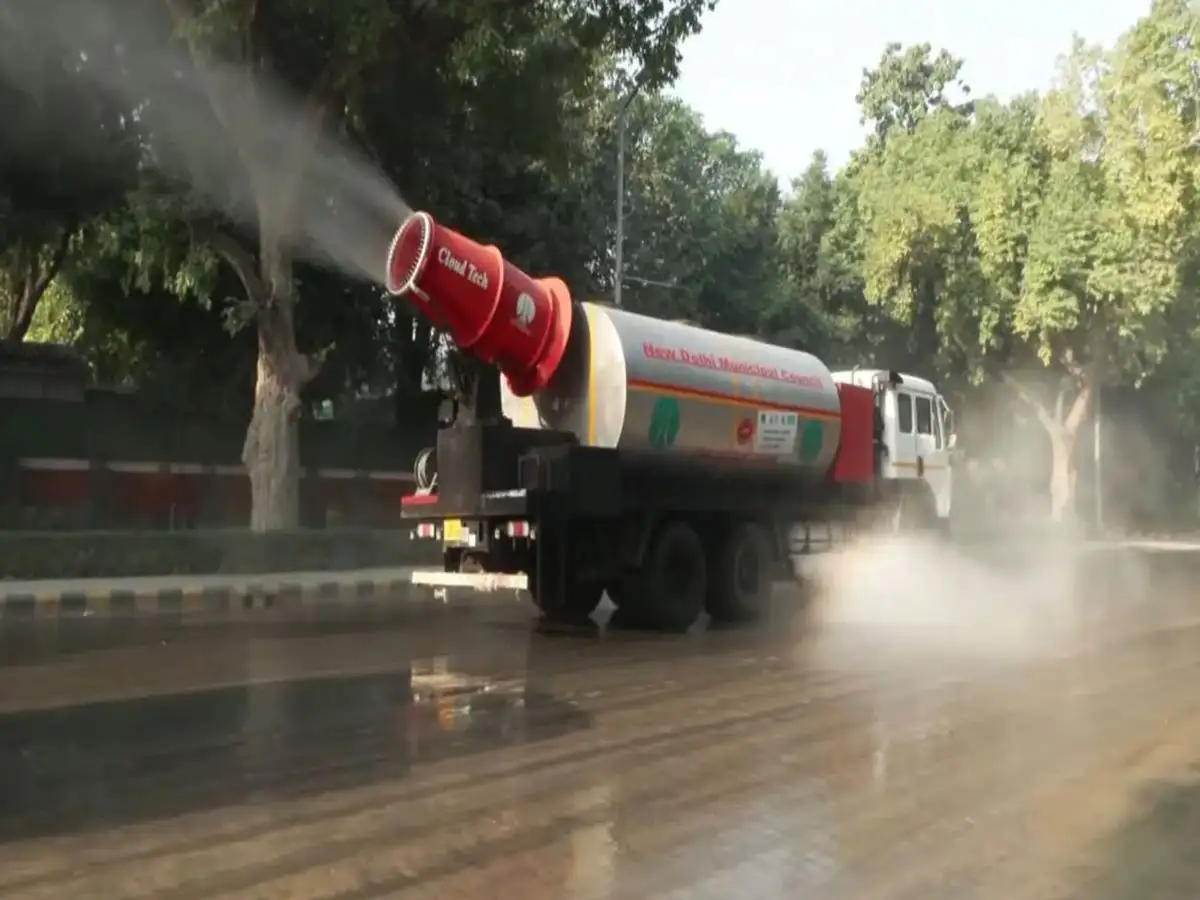
Municipal corporations and road management entities will scale up round-the-clock mechanical and vacuum road sweeping operations to suppress surface dust, prioritizing night and early morning hours to keep routine transit unhindered. Heavy-traffic routes, freight corridors, and designated pollution hotspots will undergo intensive water sprinkling alongside the application of chemical dust suppressants where required. The statutory measures mandate strict bans on the open burning of solid municipal waste and biomass across urban and rural belts. Enforcement squads will expand physical inspections at construction and demolition sites to ensure full compliance with dust control guidelines, while building developers and executing contractors have been advised to avoid dust-generating civil works throughout the critical window from October to January.
Citizen Protocols and Resident Welfare Responsibilities
Resident Welfare Associations have been instructed to supply electric heaters to private security guards, facility management staff, and cleaning personnel to deter them from burning wood or roadside biomass for warmth during the onset of winter nights. The Commission appealed to private residents to transition to public transport services such as the metro rail and city buses, switch to working from home wherever operational structures allow, inspect vehicular air filters on schedule, and maintain kitchen chimney exhaust filters. Household residents are directed to avoid dumping or burning waste in neighbourhood vicinities as statutory bodies ensure that all emergency interventions stipulated under the preceding Stage I restrictions remain operational concurrently across the National Capital Region.

