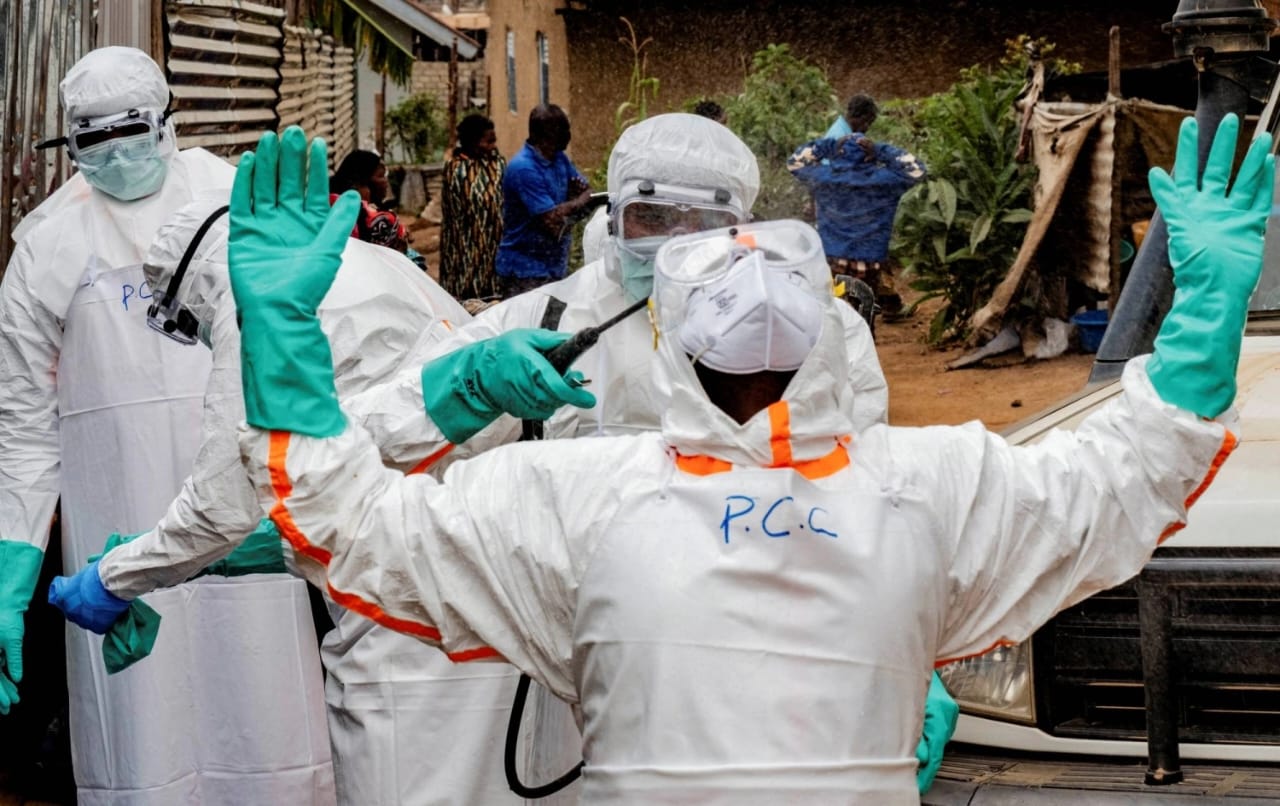
A catastrophic resurgence of the Ebola virus has claimed more than 5,000 lives in the Democratic Republic of the Congo, with confirmed and suspected infections surpassing 10,300 across eight of the nation’s 26 administrative provinces. Public health authorities confirmed that the escalating epidemic has reached a case fatality rate of 48.6 percent, establishing the current emergency as the deadliest recorded outbreak in the country’s history. The epidemic emerged in May and expanded rapidly, surpassing the country’s previous casualty record set between 2018 and 2020 when 2,299 people died. United Nations agencies noted that this seventeenth domestic outbreak has grown into the second-largest Ebola crisis globally, trailing only behind the massive West African epidemic recorded between 2014 and 2016 which took more than 11,325 lives across several nations.
Epicentre in Conflict Zones and Absence of Approved Vaccines
According to official briefings from the Congolese Ministry of Health, the central focus of viral transmission remains concentrated within the northeastern province of Ituri. Containment operations throughout the province face severe disruptions caused by protracted armed conflict, civil insecurity, and the presence of militant groups that prevent medical teams from reaching remote communities. The World Health Organization’s regional office for Africa emphasized that emergency interventions require rapid scale-ups, broader healthcare access, and intensified public awareness campaigns. However, medical response efforts face unprecedented therapeutic hurdles because the prevailing outbreak is driven by the Bundibugyo species of the Ebola virus, a distinct strain for which there are currently no approved vaccines or targeted clinical treatments, leaving clinicians reliant on supportive care and experimental trials.
Regional Cross-Border Spread and International Surveillance
Cross-border mobility has carried the pathogen beyond Congolese frontiers, prompting health alerts across East and West Africa. Uganda documented 20 infections and two fatalities earlier in the outbreak, and while no subsequent cases have emerged since August, authorities have maintained rigorous border transit restrictions on travellers arriving from the Congo. Kenya has registered nine confirmed cases and two fatalities, while Nigerian disease surveillance units recently isolated and tested two suspected patients following an earlier confirmed infection involving a patient who was subsequently evacuated to Switzerland for medical care. In contrast, the European Centre for Disease Prevention and Control assessed the transmission risk to the general public within Europe as extremely low, though health agencies continue to maintain vigilant border screening protocols.
Community Resistance, Misinformation, and Violence Against Responders
Public health interventions have met violent resistance fueled by local suspicion, persistent distrust, and dangerous rumors regarding the origins of the pathogen. A United Nations-backed radio service reported that an armed group of youths attacked a mobile health team investigating community alerts, killing a nurse and critically wounding another medical worker after falsely accusing the personnel of poisoning municipal water reserves. The incident follows the fatal beating of a community leader who advocated for sanitary burial measures, while Red Cross records documented 11 violent attacks on humanitarian volunteers and the destruction of an emergency ambulance during the first 100 days of the crisis. These continuous security hazards severely impede contact tracing and early clinical isolation, accelerating household transmission through direct exposure to infectious bodily fluids during end-stage illness and traditional funeral rites.