

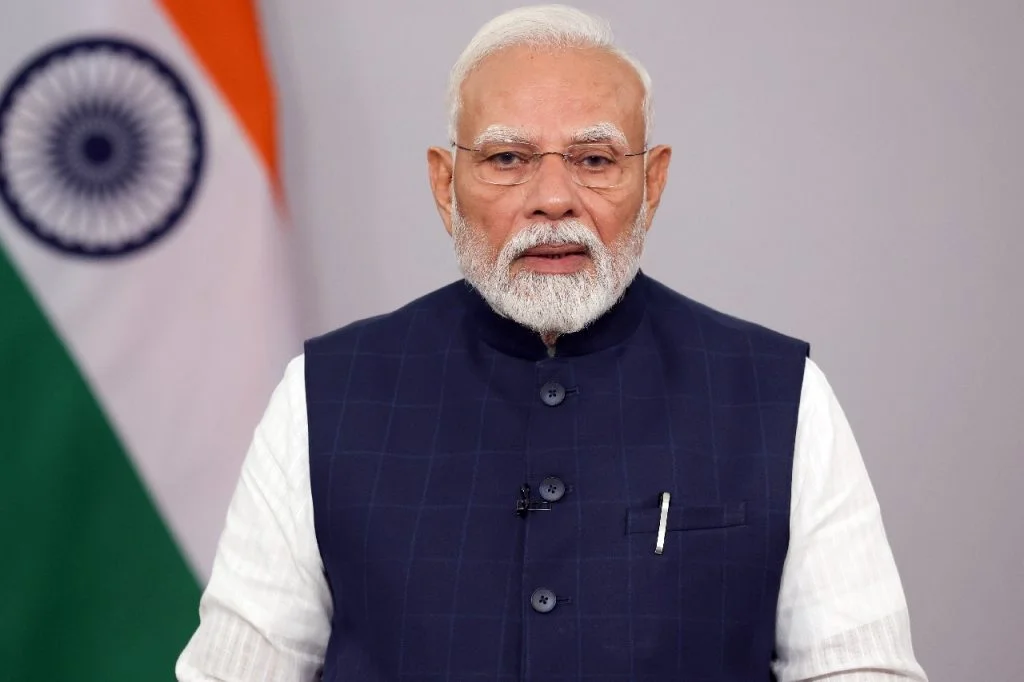
Bengaluru’s public transport network is set for another major expansion with the inauguration of a 7.5-kilometre elevated stretch of the Metro Pink Line, one of several infrastructure projects launched and dedicated across Karnataka by Prime Minister Narendra Modi on November 14. The projects, collectively valued at approximately ₹15,600 crore, cover urban transport, railway connectivity, renewable energy, fuel storage and public infrastructure.
The initiatives are expected to strengthen connectivity in Bengaluru, Mysuru and other parts of the state while supporting economic activity, improving public services and expanding the state’s energy infrastructure. The announcements also brought renewed attention to Karnataka’s infrastructure requirements, particularly Bengaluru’s traffic congestion and the need for faster execution of upcoming Metro projects.
Bengaluru Metro Pink Line Expansion Aims to Improve Urban Connectivity
The 7.5-kilometre elevated section of the Bengaluru Metro Pink Line was inaugurated during an event at the Indian Institute of Management Bangalore. Addressing the gathering, Prime Minister Modi described Bengaluru as an important centre of India’s technology sector and economic growth. He said the Union government would continue supporting Karnataka’s development.
Highlighting the expansion of urban transport infrastructure, Modi noted that Bengaluru’s Metro network had grown considerably over the past decade. According to him, the network, which covered approximately 17 kilometres in 2014, has now expanded to 103 kilometres.
The newly inaugurated stretch is part of the city’s broader efforts to improve mass transit facilities and provide commuters with alternatives to road-based transportation. Bengaluru has experienced increasing pressure on its road network due to rapid urbanisation, population growth and rising vehicle numbers.
Karnataka Deputy Chief Minister D.K. Shivakumar said the state was targeting an expansion of Bengaluru’s Metro network to 500 kilometres in the coming years. He identified traffic congestion as one of the city’s biggest challenges and said a larger Metro network could help reduce commuting time and improve daily mobility.
Shiva kumar also urged the Centre to share Metro project costs equally with the state government. He pointed out that delays in central approvals were affecting project implementation and increasing expenses. He sought faster clearances for upcoming Metro projects to ensure that infrastructure development could proceed without unnecessary delays.
Renewable Energy Projects Worth Thousands of Crores Announced
A major component of the development package focuses on strengthening Karnataka’s renewable energy transmission infrastructure. The projects are intended to improve the movement of electricity generated from renewable energy zones to the wider power grid.
An integrated transmission network worth approximately 4,450 crore for renewable energy zones in Koppal and Gadag was among the key initiatives. The package also included a 1,370-crore solar power transmission project in Bidar, designed to support a capacity of 2,500 megawatts.
Additional transmission infrastructure was announced for renewable energy zones in Davangere, Chitradurga and Ballari. These initiatives include a 3,450-crore integration network and another 1,100-crore transmission network for renewable energy units with a combined capacity of three gigawatts.
The expansion of transmission infrastructure is particularly important for renewable energy development because generating electricity alone is not sufficient. Power must also be transported efficiently from generation centres to areas where it is required.
By strengthening grid connectivity, these projects are expected to support the integration of renewable energy into Karnataka’s electricity supply system and contribute to the state’s broader clean-energy ambitions.
Railway Connectivity, Vande Bharat Service and Fuel Infrastructure Get a Boost
The infrastructure package also includes several railway projects aimed at improving passenger connectivity and strengthening existing rail routes.
Four railway stations—Chamarajanagar, Chikkamagaluru, Sakleshpur and Subrahmanya—have been redeveloped under the Amrit Bharat Station Scheme. The programme focuses on upgrading passenger facilities and improving railway station infrastructure.
The Bengaluru–Mangaluru–Madgaon Vande Bharat Express was also included among the railway initiatives. In addition, a 45-kilometre railway section between Bagalkot and Vandal has been doubled, while a 55-kilometre railway line between Sakleshpur and Subrahmanya has been electrified.
Railway doubling can improve the capacity of existing routes by allowing more trains to operate, while electrification can reduce dependence on diesel-powered locomotives and improve operational efficiency.
The energy and fuel infrastructure component includes a compressed biogas plant established by GAIL in Bengaluru, an MRPL fuel marketing terminal at Doddasara Halli in Bengaluru South and an 80,000-tonne LPG storage facility built by Hindustan Petroleum Corporation Limited (HPCL) in Mangaluru.
These facilities are expected to strengthen fuel storage, distribution and alternative energy infrastructure across the state.
Mysuru Planetarium Inaugurated as Karnataka Raises Farmers’ and Education Issues
During a separate programme in Mysuru, Prime Minister Modi inaugurated the Cosmos Planetarium, adding another public and educational facility to the state’s infrastructure portfolio.
The event also provided an opportunity for the Karnataka government to raise several pending issues concerning irrigation, education and farmers’ welfare.
The state government sought financial assistance from the National Disaster Response Fund (NDRF), citing drought conditions across 226 taluks. It estimated the losses at 62,482 crore and requested relief amounting to 22,400.58 crore.
Other demands included action on approvals for the proposed Mekedatu reservoir project, issues concerning ethanol procurement and the demands of sugarcane farmers.
The state government also called for reconsideration of the Kasturirangan report recommendations in affected areas. In the education sector, it requested that corporate social responsibility (CSR) funds be used, in accordance with state guidelines, to upgrade 1,000 government schools into Karnataka Public Schools.
Prime Minister Modi reiterated the Centre’s commitment to Karnataka’s development and highlighted the importance of improved transportation, electrification and infrastructure in making everyday life easier for residents.
The 15,600-crore package represents a broad infrastructure push covering transport, energy, fuel management and public facilities. However, the long-term impact will depend on timely implementation, effective coordination between the Centre and state government, and the successful operation of the newly inaugurated facilities. For Bengaluru, the expansion of Metro connectivity remains particularly significant as the city continues to deal with growing traffic pressure and rising demand for reliable public transport.

