

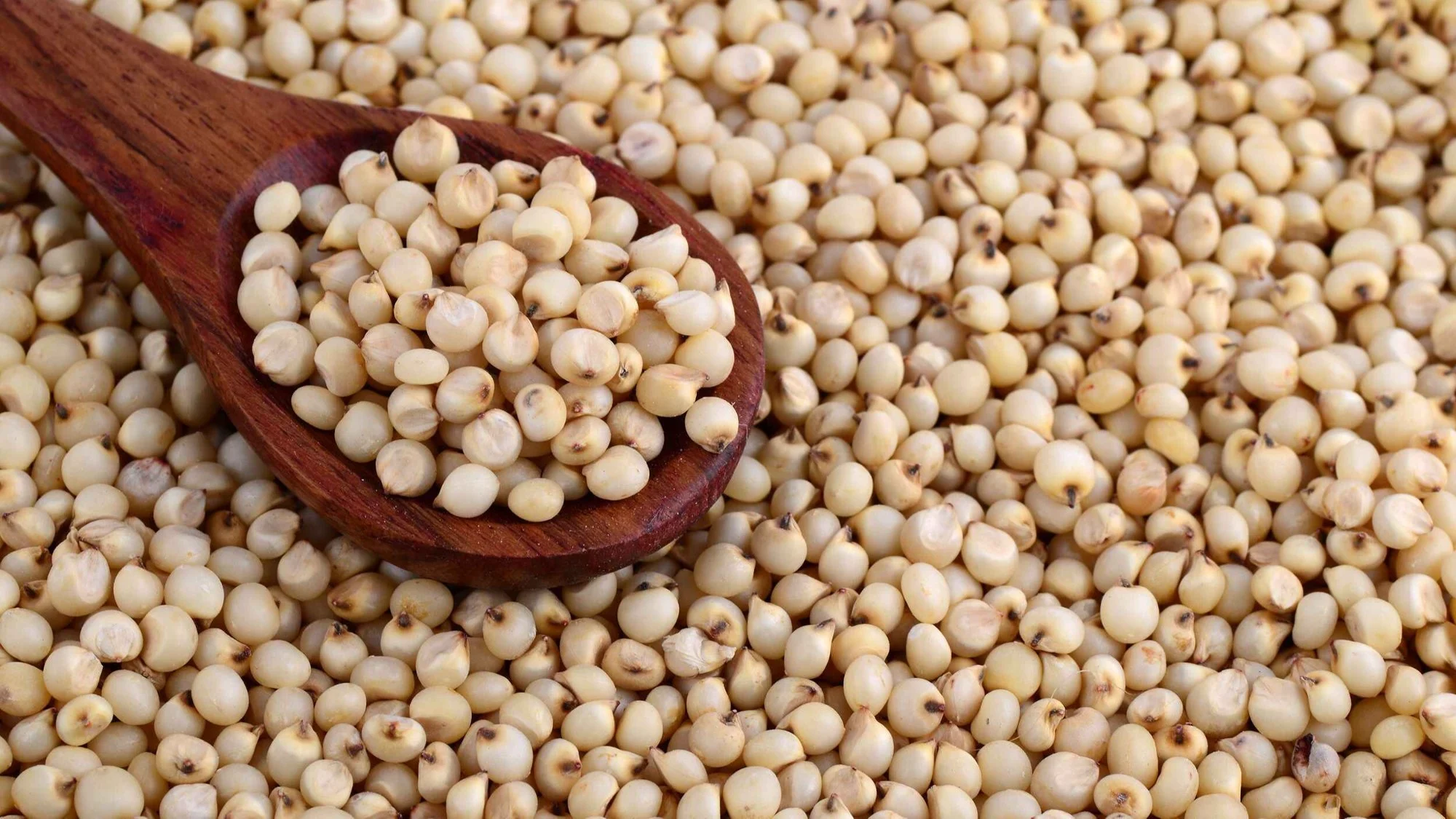
Jowar, also known as sorghum, is one of the oldest cultivated grains and an important part of traditional Indian diets. Popularly consumed in the form of bhakri, roti, porridge and other preparations, this nutritious millet is gaining popularity among health-conscious people. Rich in dietary fibre, plant-based protein, antioxidants and essential minerals, jowar offers several nutritional benefits.
As people increasingly look for healthier alternatives to refined wheat products, jowar is emerging as a valuable addition to balanced diets. Naturally gluten-free and versatile, it can be used in various traditional and modern recipes.
1. Rich in Fibre and Supports Digestive Health
One of the major benefits of jowar is its dietary fibre content. Fibre plays an important role in maintaining healthy digestion and supporting regular bowel movements.
Including fibre-rich foods such as jowar in everyday meals may help prevent constipation and support a healthy digestive system. Fibre also supports beneficial gut bacteria, contributing to overall gut health.
Unlike highly refined grains, whole jowar retains its bran and other nutrient-rich components, making it a useful option for people looking to improve their daily fibre intake.
2. May Help Manage Blood Sugar Levels
Jowar can be a useful grain choice for people who want to manage their blood sugar levels. Its fibre content may slow digestion and the absorption of carbohydrates, helping reduce sudden fluctuations in blood glucose.
However, jowar is still a carbohydrate-containing food, and its effect on blood sugar depends on portion size, preparation methods and the overall composition of a meal.
People with diabetes can include it in a balanced diet after considering their individual nutritional requirements and medical advice.
3. Supports Heart Health
Jowar contains dietary fibre and plant compounds that may contribute to better cardiovascular health. A fibre-rich diet can help support healthy cholesterol levels, particularly when whole grains replace refined carbohydrates.
It also provides minerals such as magnesium and potassium, which play important roles in normal muscle function, blood pressure regulation and heart health.
Including jowar alongside vegetables, pulses, fruits and other nutrient-rich foods can contribute to an overall heart-friendly eating pattern.
4. Helps Support Weight Management
For people trying to maintain a healthy weight, jowar can be a satisfying addition to daily meals. Its fibre content promotes fullness and may help reduce unnecessary snacking between meals.
A meal containing jowar roti, vegetables, dal and curd can provide a combination of fibre, protein and other essential nutrients.
However, eating jowar alone does not cause weight loss. Maintaining a healthy weight also requires balanced eating habits, regular physical activity, adequate sleep and appropriate portion sizes.
5. Naturally Gluten-Free Grain
Jowar is naturally gluten-free, making it an alternative grain for people with coeliac disease or gluten sensitivity.
It can be used to prepare gluten-free rotis, pancakes, porridge and baked products. However, people with coeliac disease should ensure that the flour is processed and stored separately from wheat, barley and other gluten-containing grains to avoid cross-contamination.
6. Provides Essential Vitamins and Minerals
Jowar contains several important nutrients that support different body functions. These include iron, magnesium, phosphorus, potassium and B vitamins.
Iron contributes to haemoglobin formation, while magnesium supports muscle and nerve function. Phosphorus plays a role in maintaining healthy bones and teeth.
The exact nutritional composition can vary depending on the variety, processing method and preparation.
7. Contains Antioxidants That Protect Cells
Certain varieties of jowar, particularly red and darker-coloured varieties, contain beneficial plant compounds such as phenolic compounds and tannins.
These compounds have antioxidant properties that help protect cells against oxidative stress caused by unstable molecules known as free radicals.
Antioxidants are an important part of a healthy diet and may contribute to long-term health when consumed through a variety of plant-based foods.
8. Supports Bone and Muscle Health
Jowar provides minerals such as magnesium and phosphorus, which contribute to normal bone and muscle function.
Magnesium is involved in muscle contraction, nerve signalling and several metabolic processes. Phosphorus works with calcium to maintain bone structure.
Although jowar contributes to mineral intake, it should be combined with other nutritious foods to meet overall calcium, vitamin D and protein requirements.
9. Offers Plant-Based Nutrition
Jowar provides plant-based protein, making it a useful grain for people following vegetarian diets.
Although it is not a complete source of all essential amino acids in ideal proportions, combining it with pulses, beans, lentils or dairy products can improve the overall protein quality of a meal.
Traditional Indian combinations such as jowar roti with dal or sprouts offer a nutritious way to include different food groups in everyday eating.
10. A Sustainable and Versatile Food Choice
Apart from its nutritional value, jowar is considered an important climate-resilient crop. It can grow in relatively dry conditions and generally requires less water than many other cereal crops.
Its adaptability makes it valuable for farmers in regions facing water scarcity and changing climatic conditions.
Jowar can be incorporated into everyday meals in several ways, including:
-
Jowar roti or bhakri.
-
Jowar porridge for breakfast.
-
Jowar dosa and pancakes.
-
Jowar khichdi with vegetables.
-
Jowar-based snacks and baked products.
How to Include Jowar in Your Daily Diet?
Adding jowar to your diet does not require major changes in your eating habits. You can start by replacing one serving of your regular roti with jowar roti or using jowar flour to prepare breakfast dishes.
For better nutritional balance, combine it with vegetables, pulses, curd or other protein-rich foods. People who are new to high-fibre grains can gradually increase their intake and drink sufficient water.
Conclusion
Jowar is much more than a traditional Indian grain. Its fibre, minerals, plant-based protein and antioxidant compounds make it a nutritious addition to a balanced diet. From supporting digestion and heart health to providing a naturally gluten-free alternative, it offers several potential health benefits.
As awareness about millets continues to grow, bringing jowar back to everyday meals can be a simple step towards healthier and more diverse eating habits. However, no single grain can provide all the nutrients the body needs. A varied diet, regular exercise and healthy lifestyle choices remain essential for overall well-being.

