
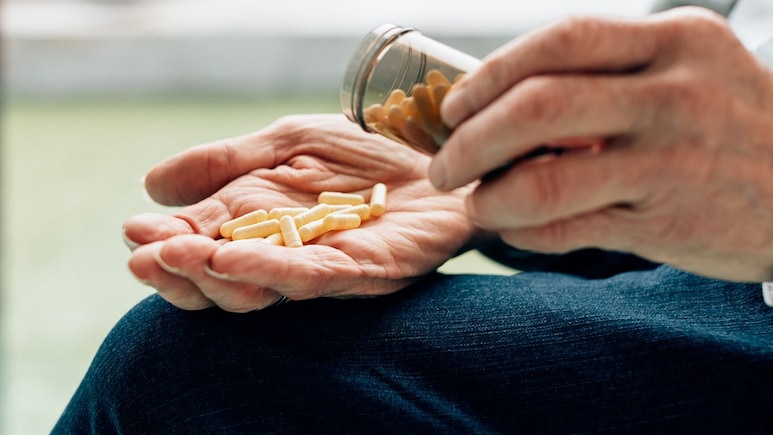
In a major move aimed at safeguarding public health, the Central Government has banned Nimesulide painkiller tablets containing more than 100 mg of the drug. The decision was taken by the Ministry of Health and Family Welfare after reviewing serious health risks associated with higher doses of the widely used pain-relief medicine.
The ban has been imposed following recommendations from the Drug Technical Advisory Board (DTAB) and has been notified under Section 26A of the Drugs and Cosmetics Act, 1940. The ministry stated that consumption of Nimesulide in doses exceeding 100 mg can pose significant danger to human health.
Why Has the Government Banned High-Dose Nimesulide?
According to the Health Ministry, higher-strength Nimesulide tablets can lead to severe adverse effects, including liver-related complications. Officials noted that safer and effective alternatives for pain management are already available in the market, making the continued use of high-dose Nimesulide unnecessary and risky.
“Consumption of Nimesulide tablets above 100 mg may prove harmful for humans. There are several safer pain-relief options available,” the ministry said in its official statement.

Already Banned for Children
This is not the first time Nimesulide has come under regulatory scrutiny. In 2011, the government had banned the use of Nimesulide for children below 12 years of age, citing potential harm and safety concerns. Medical professionals were directed not to prescribe the drug for pediatric use.
Banned in Several Countries Globally
Nimesulide is already prohibited in many countries worldwide. Several European nations, including Finland, Spain, Ireland, and Belgium, banned the drug as early as 2007. Additionally, countries such as Canada, the United States, the United Kingdom, Japan, and Australia have also restricted or banned its use due to safety concerns.
What This Means for Patients
With the new restriction in place, pharmaceutical companies will no longer be allowed to manufacture or sell Nimesulide tablets exceeding 100 mg in India. Patients are advised not to self-medicate and to consult doctors for safer alternatives for pain and inflammation.